

Entrepreneurship for engineers and scientists

Curated by Brian Kim, CPA — every pick gets a plain-English summary and the key takeaways.
Brian Kim, CPA · 2.89M YouTube Subscribers →What this book actually teaches
- 01An idea becomes an opportunity when it has a defined market, a customer willing to pay, a viable business model, and a timing advantage — Allen's opportunity filter eliminates most early-stage ideas before they consume significant founder resources.
- 02Technical founders consistently underperform in team formation: recruiting dedicated business-development and sales capability is a structural requirement, not an optional addition, and assuming those functions can be learned quickly or managed part-time is a common failure mode.
- 03A patent is not a business: IP protection strategy must be integrated with commercialization strategy from the start, and the distinction between first-mover advantage and a sustainable competitive moat determines how much the IP is actually worth in practice.
- 04The feasibility analysis frameworks in the book — market sizing, Porter's Five Forces applied to technology ventures, cost structure modeling — translate technical rigor directly into business planning practice without requiring a business school background.
- 05The 2010 publication date means the lean startup and minimum-viable-product methodology is not addressed; complement Allen's plan-centric framework with Ries's The Lean Startup for a complete picture of modern technical entrepreneurship practice.
What's in this book
Entrepreneurship for Engineers and Scientists by Kathleen R. Allen, published in 2010, addresses a well-documented mismatch: technically trained professionals — engineers, scientists, researchers — frequently possess genuinely valuable innovation but lack the business formation skills to convert that innovation into a viable company. Allen's thesis is that the entrepreneurial process is a learnable discipline, not an innate personality trait, and that technical professionals are well-suited to entrepreneurship once they understand that the analytical frameworks they already use in research translate directly into opportunity analysis, business model design, and venture strategy.
Allen structures the book around the full new venture lifecycle, from opportunity recognition through growth management. The opportunity evaluation chapters draw an explicit distinction between an idea and an opportunity: a business opportunity has a market, a customer who will pay, a viable business model, and a timing advantage — criteria that filter most early-stage ideas before they consume significant resources. Allen's framework for stress-testing an opportunity borrows from technical problem-solving: define the assumptions, test the most critical ones first, and update the model based on what the evidence shows rather than on what the founder hopes.
The feasibility analysis chapters are among the most practically useful. Allen provides structured frameworks for market sizing, competitor analysis, and cost structure modeling that translate technical rigor into business planning practice. The industry analysis section covers Porter's Five Forces with enough depth to be actionable rather than merely descriptive, and Allen is specific about which forces are most relevant to technology-based ventures (barriers to entry and substitution threats) versus service businesses.
The intellectual property chapters are a distinctive contribution that reflects Allen's understanding of her audience. Engineers and scientists often enter entrepreneurship with IP — patents, trade secrets, or proprietary processes — and the book provides a clear framework for evaluating what IP is worth protecting, how to protect it, and how to use it strategically in a business model. The distinction between first-mover advantage and sustainable competitive moats is made clearly: a patent is not a business, and many technically excellent innovations fail because the IP protection strategy was not integrated with the commercialization strategy.
The team formation and capital access chapters address two areas where technical founders consistently underperform. Allen is direct that most technical founders need to recruit business-development and sales capability rather than assuming those functions can be learned quickly or managed part-time. The venture capital chapter covers the basic structure of VC deals, term sheet components, and the alignment — and misalignment — of incentives between VC investors and founders without the breathless pro-VC framing that many entrepreneurship texts adopt.
Who this is for: engineers, scientists, and researchers who are considering or early in the process of commercializing a technical innovation, and technical professionals in corporate settings who want a framework for evaluating internal venture opportunities. Also useful for entrepreneurship courses in engineering and science programs.
Weaknesses
the 2010 publication date predates the lean startup movement's widespread adoption, and Allen's framework is more plan-centric than the hypothesis-driven, minimum-viable-product approach that has become standard in technology entrepreneurship since. The venture capital chapters reflect the pre-2012 JOBS Act landscape. The book is textbook-adjacent in format, which produces comprehensive coverage at the expense of narrative momentum — it reads as a course text more than as a practitioner guide.
Verdict
a rigorous, analytically structured introduction to entrepreneurship for technical professionals — the opportunity evaluation and feasibility frameworks are genuinely useful, though the lean startup and MVP methodology that has become standard since 2010 is not addressed.
Read next
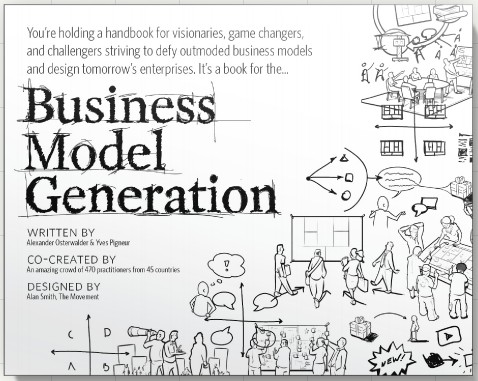
For entrepreneurs designing new ventures, corporate innovation teams working on business model transformation, MBA st…
Buy on Amazon →
Small business owners — particularly those with five or more years of meaningful profitability — who want a CPA-ancho…
Buy on Amazon →
Tax professionals, policy analysts, and informed citizens who want to understand the structural case for replacing th…
Buy on Amazon →
Small-business owners, entrepreneurs, and anyone who files a complicated return and wants to understand why the syste…
Buy on Amazon →About Kathleen R Allen
Read more from Kathleen R Allen and explore the full bibliography on ClearValue Books.
View Kathleen R Allen's page →Get an email if our take on Entrepreneurship for engineers and scientists changes.
We re-review our picks. We'll email you if Entrepreneurship for engineers and scientists's ranking or review changes — no checking back.
Across the site
Featured in lists

Ready to read Entrepreneurship for engineers and scientists?
Buy the edition we recommend on Amazon.
Buy on Amazon →