

Bringing your practice into focus

Curated by Brian Kim, CPA — every pick gets a plain-English summary and the key takeaways.
Brian Kim, CPA · 2.89M YouTube Subscribers →What this book actually teaches
- 01The book distinguishes between production (services rendered) and collections (cash received), arguing that many practices misread high production numbers as financial health while carrying significant uncollected balances that erode actual income.
- 02Wilde presents overhead benchmarks by expense category — staff, lab fees, supplies, facility — as diagnostic tools: a practice outside benchmark range has either a cost structure problem or a revenue problem, and the book walks through how to determine which.
- 03The production-per-hour scheduling framework makes explicit the financial cost of downtime, no-shows, and scheduling decisions that optimize hygiene chair capacity at the expense of doctor chair utilization or vice versa.
- 04The fee-setting discussion argues against simply following local averages without understanding overhead allocation — fees should cover the actual cost of delivering care, including the indirect costs that most clinical training does not surface.
- 05The 1994 publication date means specific benchmarks, fee structures, and insurance dynamics are outdated; corporate dentistry growth and DSO structures are not addressed, requiring the reader to validate figures against current industry data.
What's in this book
Bringing Your Practice into Focus (1994) by John A. Wilde is a business management guide aimed at dental professionals who have clinical training but typically receive little formal instruction in how to run a practice as a financially viable enterprise. Wilde, writing from a background in dental practice consulting, argues that the gap between clinical competence and business competence is the primary reason many dental practices underperform financially — not lack of patients, but poor management of the financial systems that determine whether patient volume translates into sustainable income.
The book's central argument is that a dental practice is a small business, and that the financial disciplines governing any small business — fee-setting, overhead control, accounts receivable management, production scheduling — apply directly to dental practice with some profession-specific variations. Wilde's framing is practical rather than philosophical: he is not writing about the ethics of commercializing healthcare, but about how to build a practice that can remain open and serve patients over the long term.
The production and collections framework is the book's most operationally specific contribution. Wilde distinguishes between production (services rendered) and collections (payments received), and argues that many practices mistake high production numbers for financial health while carrying significant uncollected balances. He walks through accounts receivable management in terms that dentists can apply without an accounting background: how to read an aging report, which receivable buckets are recoverable and which are not, how to structure payment policies to reduce the gap between production and collections.
The overhead analysis covers the major expense categories in a dental practice — staff costs, lab fees, supply costs, facility costs — and provides benchmarks for what percentage of revenue each category should consume in a well-run practice. These benchmarks serve as diagnostic tools: a practice with staff costs above the benchmark has either a staffing model problem or a revenue problem, and Wilde walks through how to identify which. The fee-setting discussion addresses how to set fees that cover the actual cost of delivering care including overhead allocation, rather than following local averages without understanding the underlying economics.
The scheduling and capacity sections address a dental-practice-specific constraint: the hygiene chair and the doctor chair have distinct capacity profiles and revenue contributions, and scheduling decisions that optimize one can underutilize the other. Wilde presents a production-per-hour framework that ties scheduling decisions to financial outcomes, making explicit the cost of downtime and no-shows that most clinical training does not address.
The weaknesses are primarily temporal: the 1994 publication means specific fee benchmarks, overhead percentages, and reimbursement structures do not reflect current conditions in dental practice economics. Insurance participation dynamics have changed substantially, as has the competitive landscape with the growth of corporate dentistry. The book does not address dental service organization (DSO) structures or the financial implications of insurance-heavy versus fee-for-service practice models as they exist today.
For dentists in early to mid-career private practice who are running their practice on clinical instinct rather than financial discipline, the conceptual frameworks — production versus collections, overhead benchmarking, scheduling optimization — remain sound as diagnostic tools, even where the specific numbers require updating.
Read next
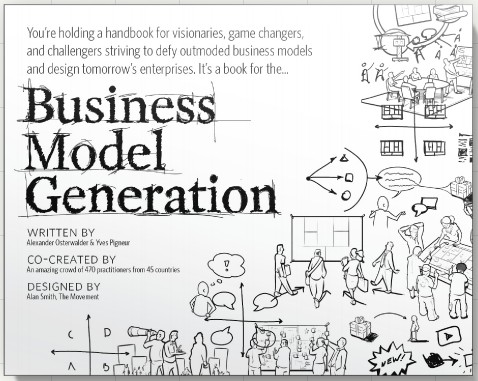
For entrepreneurs designing new ventures, corporate innovation teams working on business model transformation, MBA st…
Buy on Amazon →
Engineers, scientists, and researchers considering or early in the process of commercializing a technical innovation…
Buy on Amazon →
Small business owners — particularly those with five or more years of meaningful profitability — who want a CPA-ancho…
Buy on Amazon →
Tax professionals, policy analysts, and informed citizens who want to understand the structural case for replacing th…
Buy on Amazon →About John A Wilde
Read more from John A Wilde and explore the full bibliography on ClearValue Books.
View John A Wilde's page →Get an email if our take on Bringing your practice into focus changes.
We re-review our picks. We'll email you if Bringing your practice into focus's ranking or review changes — no checking back.

Ready to read Bringing your practice into focus?
Buy the edition we recommend on Amazon.
Buy on Amazon →