

Business Process Management

Curated by Brian Kim, CPA — every pick gets a plain-English summary and the key takeaways.
Brian Kim, CPA · 2.89M YouTube Subscribers →What this book actually teaches
- 01BPM is primarily an organizational change problem, not a technology problem — implementations that treat it as a software deployment project routinely underperform because they don't address the process, culture, and governance dimensions.
- 02The Business Process Management House framework positions BPM as a discipline with a foundation (values and leadership), pillars (strategy, governance, methods, IT, people, culture), and a sustainable performance management roof.
- 03The 7FE Project Framework provides a phase-by-phase implementation methodology from organization strategy through sustainable performance management, designed to be adapted rather than followed rigidly.
- 04BPM projects most often fail in the organizational layer — insufficient executive sponsorship, unclear process ownership, and functional managers who see process standardization as a threat to their authority — not in the technical design.
- 05At 500+ pages, the book is thorough to the point of being a reference text rather than a practical read-through; technology sections are also dated relative to current cloud and low-code BPM tooling.
What's in this book
Business Process Management: Practical Guidelines to Successful Implementations by John Jeston and Johan Nelis, first published in 2006 with multiple subsequent editions, is a practitioner's handbook for implementing Business Process Management (BPM) initiatives inside organizations. Jeston, a BPM practitioner and consultant, and Nelis, a process management specialist, wrote the book in response to what they saw as a gap in the BPM literature: substantial theoretical treatment of what BPM is and why it matters, combined with insufficient guidance on how to actually implement it inside real organizations with real political constraints, legacy systems, and competing priorities.
The book's central argument is that BPM is not primarily a technology problem — it is an organizational change problem that happens to use technology as one of its tools. Organizations that treat BPM implementations as software deployment projects routinely underperform or fail because they don't address the process, culture, and governance dimensions that determine whether the technology can actually be used effectively. Jeston and Nelis introduce the Business Process Management House — their framework for understanding BPM as a discipline with a foundation (values, beliefs, and leadership), pillars (strategic alignment, governance, methods, information technology, people, and culture), and a roof (sustainable performance management). The House framework is used throughout the book to contextualize each implementation decision.
The book's main structural contribution is the 7FE Project Framework, a phase-by-phase implementation methodology covering: organization strategy, process architecture, launch pad (scope and objectives), understand (current state analysis), innovate (future state design), develop (building the capabilities), implement (deployment), realize value (benefits measurement), and sustainable performance (ongoing management). Each phase is covered in detail with checklists, tools, and common failure modes. The framework is designed to be adapted rather than followed rigidly — Jeston and Nelis explicitly acknowledge that BPM projects vary significantly in scope, maturity, and organizational context.
Governance and stakeholder management receive sustained attention. The book argues that BPM projects fail most often not in the technical design but in the organizational layer: insufficient executive sponsorship, unclear process ownership, resistance from functional managers who see process standardization as a threat to their authority, and the failure to connect BPM outcomes to business performance metrics that matter to senior leadership.
Who this is for: process improvement professionals, project managers, and IT leaders who are leading or about to lead BPM initiatives, and business analysts who need a structured methodology for current-state and future-state process analysis.
Weaknesses
the book's comprehensiveness is also its main usability challenge — at over 500 pages across multiple editions, it is thorough to the point of being difficult to navigate for practitioners who need to move quickly. Some sections covering technology selection and integration feel dated in the current cloud and low-code/no-code environment, where BPM tooling has changed significantly. The framework's phase-by-phase structure can also give a misleadingly linear impression of what are in practice iterative, messy implementation processes.
Verdict
the most comprehensive practitioner's handbook available for BPM implementation; dense and demanding but valuable as a reference for process professionals who need structured methodology and are willing to invest in understanding the full framework.
Read next
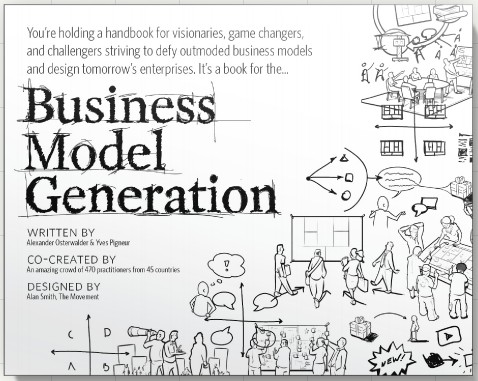
For entrepreneurs designing new ventures, corporate innovation teams working on business model transformation, MBA st…
Buy on Amazon →
Engineers, scientists, and researchers considering or early in the process of commercializing a technical innovation…
Buy on Amazon →
Small business owners — particularly those with five or more years of meaningful profitability — who want a CPA-ancho…
Buy on Amazon →
Tax professionals, policy analysts, and informed citizens who want to understand the structural case for replacing th…
Buy on Amazon →About John Jeston
Read more from John Jeston and explore the full bibliography on ClearValue Books.
View John Jeston's page →Get an email if our take on Business Process Management changes.
We re-review our picks. We'll email you if Business Process Management's ranking or review changes — no checking back.

Ready to read Business Process Management?
Buy the edition we recommend on Amazon.
Buy on Amazon →