

Crystal globe

Curated by Brian Kim, CPA — every pick gets a plain-English summary and the key takeaways.
Brian Kim, CPA · 2.89M YouTube Subscribers →What this book actually teaches
- 01Globalization is the operating environment, not a strategic option — the question is how fast an organization can adapt its planning assumptions to structural shifts already underway.
- 02Demographic megatrends (aging populations, urbanization in emerging markets) move slowly but determine which industries expand or contract over a decade; build them into five-year plans explicitly.
- 03The gap between the pace of global change and the pace of organizational adaptation is the primary competitive risk — companies organized for stable domestic markets face structural exposure.
- 04Technology diffusion shortens product cycles and raises the required R&D investment rate; industries that treat technology as a capital expense rather than a strategic variable lose competitiveness gradually then suddenly.
- 05Forecasting methodology matters more than any specific forecast — the value of Cetron and Davies is the discipline of monitoring leading indicators (trade flows, demographics, technology adoption curves) rather than reacting to lagging ones.
What's in this book
Marvin Cetron and Owen Davies built a career out of quantitative forecasting at Forecasting International, and Crystal Globe is the product of that methodology applied to the 1990s competitive landscape. The book's premise is that globalization is not a trend businesses can opt into or out of — it is the operating environment, and the organizations that thrive will be the ones that can read the structural forces reshaping markets before those forces hit their income statement. Cetron and Davies work from demographic data, trade-flow analysis, and technology diffusion curves rather than intuition, which gives the book an unusually empirical texture for a business strategy title of its era.
The core argument is organized around what the authors call "megatrends" — large, slow-moving structural shifts that are too diffuse to show up in a quarterly earnings call but that determine which industries expand and which contract over a decade. Among the forces they identify: the aging of developed-world populations and the consumption and healthcare spending that follows; the rise of Asia (particularly Japan and the Asian Tigers in the 1991 framing) as both manufacturing base and consumer market; the collapse of Cold War trade barriers opening formerly closed economies; the acceleration of technology diffusion shortening product cycles and forcing faster R&D investment; and the growing premium on skilled labor relative to physical capital.
Cetron and Davies translate each megatrend into sector-level implications — which industries face structural headwinds, which face tailwinds, and what organizational capabilities will be required to compete. The book is organized so that a strategist can read the relevant chapters for their industry and extract a set of planning assumptions. The tone is practitioner-facing rather than academic: the authors want the reader to leave with a revised set of assumptions for their five-year plan, not a bibliography.
A recurring theme is the mismatch between the pace of global change and the pace of organizational adaptation. Cetron and Davies argue that most companies were still organized around a post-WWII model of stable domestic markets, predictable customer demographics, and manageable technology cycles — and that the 1990s would punish that model severely. The prescription is a planning culture that continuously monitors leading indicators rather than reacting to lagging ones.
Who this is for: business strategists, executives, and MBA students interested in the history of competitive-strategy thinking during the early globalization era. Also relevant for students of forecasting methodology who want to see how scenario-based demographic-and-trade analysis was applied before big-data tools existed.
Weaknesses
the book is a product of 1991, and its hit rate on specific forecasts is uneven in retrospect. Several predictions about Japan's sustained dominance aged poorly against the Lost Decade. The technology forecasts predate the internet's consumer diffusion, which renders some of the technology-cycle analysis structurally incomplete. More fundamentally, the forecasting methodology — however rigorous for its era — can give readers false confidence: megatrend analysis identifies the direction of large forces but has a weak record on timing and on predicting which specific companies or countries will capture the value. Readers looking for a current strategic planning framework will need to update heavily.
Verdict
a useful historical artifact for understanding how serious strategists thought about globalization at the dawn of the 1990s. The methodology is still instructive even where the specific forecasts have aged.
Read next
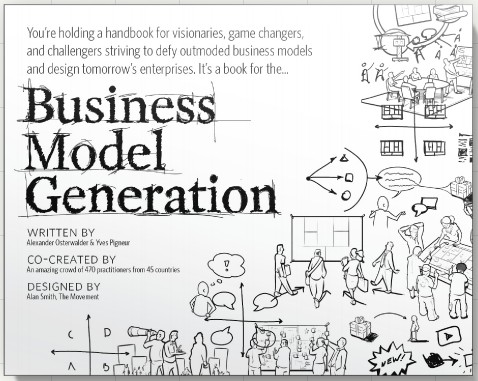
For entrepreneurs designing new ventures, corporate innovation teams working on business model transformation, MBA st…
Buy on Amazon →
Engineers, scientists, and researchers considering or early in the process of commercializing a technical innovation…
Buy on Amazon →
Small business owners — particularly those with five or more years of meaningful profitability — who want a CPA-ancho…
Buy on Amazon →
Tax professionals, policy analysts, and informed citizens who want to understand the structural case for replacing th…
Buy on Amazon →About Marvin J Cetron
Read more from Marvin J Cetron and explore the full bibliography on ClearValue Books.
View Marvin J Cetron's page →Get an email if our take on Crystal globe changes.
We re-review our picks. We'll email you if Crystal globe's ranking or review changes — no checking back.
