

Economics of the Kennedy years, and a look ahead

Curated by Brian Kim, CPA — every pick gets a plain-English summary and the key takeaways.
Brian Kim, CPA · 2.89M YouTube Subscribers →What this book actually teaches
- 01The Kennedy economic team's choice to pursue a tax cut rather than spending increases as fiscal stimulus was driven by political feasibility — Congress would accept the former but not the latter.
- 02Walter Heller's Council of Economic Advisers represented the first systematic application of professional macroeconomic analysis to American fiscal policy, using the full-employment budget balance as the target metric.
- 03Harris's confident Keynesian framework does not engage with the monetarist and rational-expectations critiques that emerged in the following decade, making the book more useful as historical documentation than as economic analysis.
- 04The 'look ahead' chapters show what the American economic mainstream believed about growth and inflation in the early 1960s — before Vietnam spending and 1970s stagflation forced significant revisions.
- 05The book is written from the inside by a Kennedy adviser, giving it primary-source value on how internal policy arguments were structured that is not available in later retrospective accounts.
What's in this book
Seymour Edwin Harris was one of the leading Keynesian economists in the United States, and this book — written during or shortly after the Kennedy administration — is both a defense of the economic policies pursued under Kennedy and an argument for a particular vision of fiscal activism that Harris and his colleagues at Harvard had been developing since the New Deal era. The core argument is that the Kennedy economic team represented the first systematic application of professional macroeconomic thinking to American fiscal policy, and that the results — a growing economy, reduced unemployment, and the successful 1964 tax cut (proposed by Kennedy, passed under Johnson) — validated the Keynesian framework against both conservative critics and structuralist alternatives.
Harris was a close adviser to Kennedy and writes from the inside. The book provides useful documentary evidence of how the Council of Economic Advisers under Walter Heller operated, how the internal arguments about fiscal stimulus versus monetary policy were structured, and why the Kennedy team chose a large permanent tax cut rather than spending increases as the primary instrument for closing the output gap in 1961-1963. The political economy behind this choice — a tax cut being more acceptable to a Congress resistant to domestic spending expansion — is discussed with more candor than most official policy documents.
The analytical framework throughout is demand-side Keynesianism: output gaps can be closed by fiscal expansion; the multiplier effects of tax cuts or spending increases outweigh the crowding-out effects on private investment; and the full-employment budget balance is the appropriate fiscal target rather than the actual deficit. Harris is confident in this framework in ways that look dated from the vantage point of debates about supply-side effects, rational expectations, and the long-run neutrality of fiscal policy that emerged in the 1970s and 1980s.
The "look ahead" chapters attempt to project Kennedy-era policy directions forward, making them less useful as analysis and more useful as a window into what the American economic mainstream believed about growth, inflation, and the limits of policy in the early 1960s — before Vietnam spending, the Great Society programs, and the 1970s stagflation crisis had forced revisions to those beliefs.
For economic historians, policy scholars, and readers interested in how Keynesian ideas were actually translated into American fiscal policy during the early 1960s — a primary source document as much as an analysis.
Weaknesses
the book is explicitly a defense of Kennedy's economic record, and it reads like one. Harris does not seriously engage with the monetarist critique of fiscal policy that Milton Friedman and others were developing in parallel, nor with the structural arguments about why demand stimulus might not address the underlying productivity and competitiveness problems of the American economy. The "look ahead" projections were overtaken by events quickly, and the inflationary consequences of the fiscal expansion Harris advocates for were more significant than his framework anticipated. The book is primarily of historical and documentary interest rather than analytical value by contemporary standards.
Verdict
a primary source document for economic historians studying the application of Keynesian ideas to American fiscal policy in the early 1960s — not a general-audience economics book and not a guide to current policy debates.
Read next
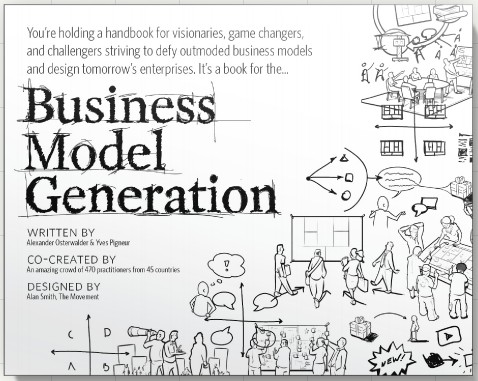
For entrepreneurs designing new ventures, corporate innovation teams working on business model transformation, MBA st…
Buy on Amazon →
Engineers, scientists, and researchers considering or early in the process of commercializing a technical innovation…
Buy on Amazon →
Small business owners — particularly those with five or more years of meaningful profitability — who want a CPA-ancho…
Buy on Amazon →
Tax professionals, policy analysts, and informed citizens who want to understand the structural case for replacing th…
Buy on Amazon →About Seymour Edwin Harris
Read more from Seymour Edwin Harris and explore the full bibliography on ClearValue Books.
View Seymour Edwin Harris's page →Get an email if our take on Economics of the Kennedy years, and a look ahead changes.
We re-review our picks. We'll email you if Economics of the Kennedy years, and a look ahead's ranking or review changes — no checking back.

Ready to read Economics of the Kennedy years, and a look ahead?
Buy the edition we recommend on Amazon.
Buy on Amazon →