

Home business tax deductions

Curated by Brian Kim, CPA — every pick gets a plain-English summary and the key takeaways.
Brian Kim, CPA · 2.89M YouTube Subscribers →What this book actually teaches
- 01The "regular and exclusive use" requirement is the most common disqualifying mistake for home office deductions — a space that doubles as a guest room or family area does not qualify regardless of how much business work happens there.
- 02Fishman compares the regular method (percentage of home used for business) against the simplified method ($5 per square foot, up to 300 square feet) and explains how to choose between them year to year based on which produces the larger deduction.
- 03Vehicle expense deductions require a choice between the standard mileage rate and the actual cost method made in the first year the vehicle is used for business — the book explains when each method wins and what mileage logs must contain to survive an IRS audit.
- 04Section 179 expensing and bonus depreciation rules allow home-based business owners to deduct the full cost of equipment and technology in the year of purchase rather than depreciating over several years — a planning opportunity the book quantifies with examples.
- 05Edition year matters for this title more than most — tax law changes to the standard mileage rate, depreciation rules, and QBI deduction mechanics can make a prior-year copy partially incorrect, so readers should verify they have the current annual update.
What's in this book
Home Business Tax Deductions: Keep What You Earn by Stephen Fishman is NOLO's canonical reference for self-employed workers and home-based business owners navigating the federal tax deductions available to them. The book's core argument is straightforward: home-based business owners systematically overpay taxes not because the deductions don't exist but because they don't know what qualifies, how to calculate it, or how to document it in a way that survives an audit. Fishman, an attorney who has written extensively on tax law for self-employed workers, treats this as a documentation and planning problem as much as a tax law problem.
The home office deduction is the structural anchor of the book. Fishman walks through the IRS's "regular and exclusive use" requirement — the rule that catches most home-based business owners when they try to claim a space that doubles as a guest room or family common area — and explains both the regular deduction method (calculating the percentage of the home used for business) and the simplified method introduced in 2013 ($5 per square foot, up to 300 square feet). The treatment is practical: Fishman explains which method produces a larger deduction for typical home-office arrangements and how to switch methods year to year, then covers how to depreciate the home-business portion of a primary residence and the recapture rules that apply when the home is sold.
Beyond the home office, the book covers the full range of deductions available to home-based business owners: vehicle and travel expenses (actual cost versus the standard mileage rate), equipment and technology under Section 179 expensing and bonus depreciation rules, health insurance deductions for the self-employed, home utilities allocated to the business, and the home-based business portion of mortgage interest and property taxes. Each deduction chapter explains the rule, the common disqualifying mistakes, and what records to keep. The recordkeeping emphasis throughout the book reflects Fishman's attorney background — he consistently frames documentation as audit defense, not bureaucratic overhead.
The self-employment tax deduction and the qualified business income (QBI) deduction introduced by the Tax Cuts and Jobs Act of 2017 receive attention in later editions, though coverage of the QBI deduction varies by edition year. Fishman also covers the home-based business-use calculations for renters versus homeowners, a distinction the IRS treats differently and that many general tax references skip.
For tax filers who run a business from home — freelancers, independent contractors, sole proprietors, and small LLC owners with a home-based principal place of business — this guide covers the full deduction landscape with the specificity needed to both maximize legitimate deductions and avoid the common mistakes that trigger IRS scrutiny.
Where it falls short
NOLO updates the book annually, but the edition year matters significantly for this title — tax law changes (the TCJA, annual inflation adjustments to the standard mileage rate, changes to depreciation rules) can make a prior-year edition partially wrong on specific numbers and thresholds. Readers should verify they have the current edition. The book also focuses on federal taxes only; state income tax treatment of home office deductions varies and is not covered. For S-corp or multi-member LLC structures, Fishman's analysis applies but a tax professional should review the home-office deduction mechanics, since the self-employed health insurance and QBI deduction interactions get complicated quickly.
Verdict
the most complete and readable home-office and home-business deduction reference available for self-employed individuals. The right edition-year copy should be on every home-based business owner's desk during tax season.
Read next
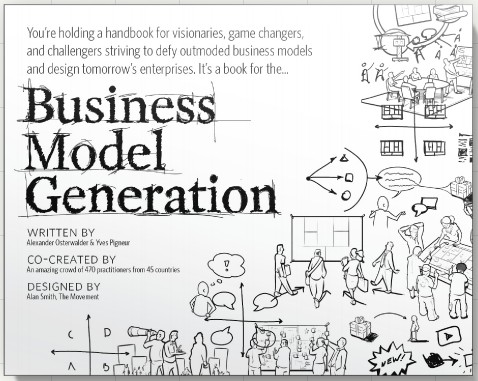
For entrepreneurs designing new ventures, corporate innovation teams working on business model transformation, MBA st…
Buy on Amazon →
Engineers, scientists, and researchers considering or early in the process of commercializing a technical innovation…
Buy on Amazon →
Small business owners — particularly those with five or more years of meaningful profitability — who want a CPA-ancho…
Buy on Amazon →
Tax professionals, policy analysts, and informed citizens who want to understand the structural case for replacing th…
Buy on Amazon →About Stephen Fishman
Read more from Stephen Fishman and explore the full bibliography on ClearValue Books.
View Stephen Fishman's page →Get an email if our take on Home business tax deductions changes.
We re-review our picks. We'll email you if Home business tax deductions's ranking or review changes — no checking back.

Ready to read Home business tax deductions?
Buy the edition we recommend on Amazon.
Buy on Amazon →