

The eventual millionaire

Curated by Brian Kim, CPA — every pick gets a plain-English summary and the key takeaways.
Brian Kim, CPA · 2.89M YouTube Subscribers →What this book actually teaches
- 01Tardy's research across 100+ millionaire interviews finds that clarity of purpose — a specific vision of the life they were building, not a vague desire for wealth — was the consistent prerequisite for the discipline that seven-figure success required.
- 02The millionaire myth the book dismantles is the overnight-success narrative; what Tardy's subjects actually experienced was slow, consistent effort over years with multiple failures and pivots, which is both more achievable and more demanding than the popular narrative suggests.
- 03Effective goal-setting in Tardy's framework is distinguished from aspirational goals by specificity and scheduled commitment — her subjects credited concrete, calendared plans rather than general intentions with keeping them on track through difficult periods.
- 04The structural shift from trading time for money to building scalable income systems is identified by Tardy's interview subjects as the critical transition point in actual wealth accumulation — the book treats this as a design decision, not a byproduct of working harder.
- 05Survivorship bias is the book's unresolved methodological limitation: the interview subjects are people who succeeded, and the people who followed similar patterns without reaching seven figures are absent from the data set.
What's in this book
The Eventual Millionaire by Jaime Tardy, published in 2014, is built on a specific research methodology: Tardy interviewed over 100 millionaires — not celebrity billionaires, but ordinary people who had built seven-figure net worth through business ownership — and extracted patterns from those conversations about what distinguished them from people who stayed stuck. The book's thesis is that becoming a millionaire is less a function of talent or luck than of specific, learnable mindset and behavior patterns that Tardy spent years documenting. The title itself is a positioning statement: most people who build real wealth do it gradually and methodically, not overnight.
The most valuable content comes from the interview data itself. Tardy finds consistent patterns across her subjects: nearly all of them experienced significant failure before success; nearly all credit clarity about what they actually wanted — not a vague desire for wealth but a specific vision of life they were building toward — as a prerequisite for the discipline their success required. The book synthesizes these patterns into a framework around belief, planning, and execution, with each section grounded in interview excerpts that keep the argument from floating into abstraction.
Tardy's chapter on the "millionaire myth" addresses the gap between popular narratives about wealth (overnight success, lucky breaks, unique genius) and what her interview subjects actually experienced. The pattern she documents is almost the opposite: slow, consistent effort over years, with multiple failures and pivots, anchored by specific goals and clear values about what wealth was for. This framing is useful for business owners who have consumed too much hustle-culture content and developed unrealistic timelines.
The planning sections are practical without being formulaic. Tardy covers goal-setting in a way that distinguishes between generic aspirational goals and the specific, scheduled commitments that her subjects consistently credited with keeping them on track through difficult periods. The accountability discussion — how to structure external accountability rather than relying on self-discipline alone — draws directly from interview subjects who describe specific practices they used.
There is a section on business model and income stream design that is thinner than the mindset content but addresses the structural difference between trading time for money and building systems that generate income at scale — a distinction that Tardy's subjects uniformly identified as the transition point in their wealth building.
Who this is for: early-stage entrepreneurs and small business owners who are building something serious but feel uncertain about whether they have what it takes — and who benefit from concrete evidence that the path to wealth is methodical rather than magical.
Weaknesses
the interview-based methodology is subject to survivorship bias, which Tardy acknowledges but does not fully resolve. The people she interviewed succeeded; the people who followed the same patterns and didn't succeed are not in the data. The book is also stronger on mindset and planning frameworks than on specific business strategies — readers who want tactical guidance on building a specific type of business will need supplementary material. Some of the interview excerpts run long relative to the insights they deliver.
Verdict
a grounded, evidence-anchored counterweight to hustle-culture wealth mythology; most useful for entrepreneurs who need both the data that success is achievable and the pattern-recognition to understand what it actually requires.
Read next
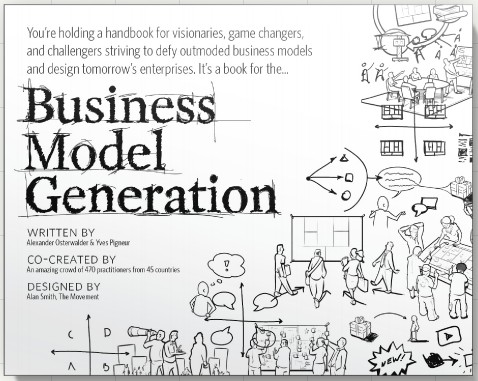
For entrepreneurs designing new ventures, corporate innovation teams working on business model transformation, MBA st…
Buy on Amazon →
Engineers, scientists, and researchers considering or early in the process of commercializing a technical innovation…
Buy on Amazon →
Small business owners — particularly those with five or more years of meaningful profitability — who want a CPA-ancho…
Buy on Amazon →
Tax professionals, policy analysts, and informed citizens who want to understand the structural case for replacing th…
Buy on Amazon →About Jaime Tardy
Read more from Jaime Tardy and explore the full bibliography on ClearValue Books.
View Jaime Tardy's page →Get an email if our take on The eventual millionaire changes.
We re-review our picks. We'll email you if The eventual millionaire's ranking or review changes — no checking back.

Ready to read The eventual millionaire?
Buy the edition we recommend on Amazon.
Buy on Amazon →