

The restaurant start-up guide

Curated by Brian Kim, CPA — every pick gets a plain-English summary and the key takeaways.
Brian Kim, CPA · 2.89M YouTube Subscribers →What this book actually teaches
- 01Prime cost — food cost plus labor cost as a combined percentage of revenue — is the single most important operating metric for restaurant viability; most failed restaurants can trace their failure to prime cost running above sustainable thresholds.
- 02Break-even analysis run backward (required weekly revenue → required covers → required table turns at target check average) is the most concrete planning tool for evaluating whether a proposed concept and location can be financially viable before signing a lease.
- 03Restaurant lenders underwrite on different criteria than other small business lenders because of the industry's high failure rate and illiquid asset base — understanding the lender's model before applying materially improves funding outcomes.
- 04Owner-operator models where one person is chef, manager, and owner simultaneously create a management capacity ceiling that limits revenue growth; the staffing structure needs to be planned as a scalable system, not a one-person operation.
- 05Lease negotiation is a high-leverage moment: percentage rent clauses, tenant improvement allowances, and co-tenancy provisions have outsized long-term impact on restaurant economics relative to the attention they typically receive during pre-opening excitement.
What's in this book
Peter Rainsford and David Bangs approach restaurant start-up not as a celebration of culinary ambition but as a sober accounting of why most restaurants fail — and how to avoid the specific errors that kill them. The book is structured as a planning guide rather than an inspiration text, and it earns its audience by being relentlessly concrete about the numbers, the legal structure, the operational decisions, and the financing mechanics that determine whether a restaurant reaches year three.
The financial content is the book's primary contribution. Rainsford and Bangs walk through restaurant-specific P&L structure in detail: food cost as a percentage of revenue (target ranges by restaurant type), labor cost as a percentage of revenue (the largest and most variable line item), prime cost (food cost plus labor cost combined, the single most important operating metric for most restaurants), and how to model occupancy costs against projected revenue at different traffic scenarios. The chapter on break-even analysis is practical — they show how to calculate the weekly revenue required to cover fixed costs and then reverse-engineer the number of covers, average check size, and table turns needed to hit that number. For a prospective restaurant owner doing pre-opening planning, this chapter alone is worth the price.
The business planning section covers the elements of a restaurant business plan with enough specificity to be operational: market analysis (trade area demographics, competitive set, unmet demand), concept definition (cuisine, price point, service model, ambiance — and the internal consistency requirements across these), site selection criteria (traffic counts, visibility, parking, neighboring tenants, lease terms), and staffing structure. The staffing chapter is particularly direct about the management-to-revenue ratio needed for a restaurant to be both well-run and financially viable — Rainsford and Bangs are skeptical of owner-operator models where the owner is also the head chef, line cook, and front-of-house manager, because the ceiling on management capacity becomes the ceiling on revenue.
The financing chapter covers the realistic funding landscape for restaurant start-ups as of the mid-1990s: SBA 7(a) loans, seller financing on existing restaurant assets, equipment leasing, and investor structures. The SBA content has aged but the underlying logic — restaurant lenders underwrite differently than other small business lenders because of the high failure rate and the illiquid nature of restaurant-specific assets — is still accurate and useful context for approaching any lender.
The legal and regulatory content covers entity selection, licensing requirements (food service, alcohol, health department), lease negotiation basics, and insurance. This section is necessarily dated — specific requirements vary by jurisdiction and have changed since 1997 — but the chapter on lease negotiation remains useful because restaurant lease economics (percentage rent clauses, tenant improvement allowances, exclusivity provisions, co-tenancy clauses) are structurally similar across decades even as specific terms shift.
Weaknesses
the 1997 date means the book predates online reservation systems, delivery platforms, social media reputation management, and the post-pandemic restructuring of restaurant labor markets and lease terms. Food cost and labor benchmarks have shifted materially. The financing landscape has changed significantly — SBA loan programs have been restructured, alternative lenders have entered the market, and the COVID-era disruptions reshaped restaurant lending criteria. Readers should use this book for the analytical framework and planning discipline, and update every specific number and regulatory reference with current sources. The writing is functional rather than engaging — this is a planning workbook, not a narrative.
Read next
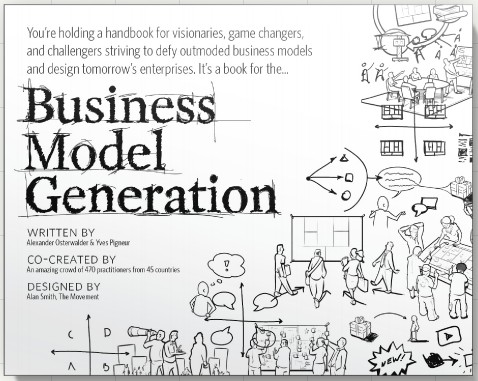
For entrepreneurs designing new ventures, corporate innovation teams working on business model transformation, MBA st…
Buy on Amazon →
Engineers, scientists, and researchers considering or early in the process of commercializing a technical innovation…
Buy on Amazon →
Small business owners — particularly those with five or more years of meaningful profitability — who want a CPA-ancho…
Buy on Amazon →
Tax professionals, policy analysts, and informed citizens who want to understand the structural case for replacing th…
Buy on Amazon →About Peter Rainsford
Read more from Peter Rainsford and explore the full bibliography on ClearValue Books.
View Peter Rainsford's page →Get an email if our take on The restaurant start-up guide changes.
We re-review our picks. We'll email you if The restaurant start-up guide's ranking or review changes — no checking back.
Across the site
Featured in lists
Recommended in answers

Ready to read The restaurant start-up guide?
Buy the edition we recommend on Amazon.
Buy on Amazon →