

The strategic management of large engineering projects

Curated by Brian Kim, CPA — every pick gets a plain-English summary and the key takeaways.
Brian Kim, CPA · 2.89M YouTube Subscribers →What this book actually teaches
- 01The book's central argument is that large projects fail not primarily because of technical or scheduling failures but because of institutional and governance failures — perverse incentive structures, misallocated risks, and uncoordinated interdependencies between project stakeholders that undermine performance before construction begins.
- 02The IMEC study of 60 large projects across multiple sectors and countries identifies recurring failure modes: optimism bias in initial estimates, political risk embedded in regulatory timelines, contractor incentives that reward winning contracts rather than delivering projects, and ownership structures that misalign developer, operator, and lender interests across the project lifecycle.
- 03Effective risk allocation means assigning risk to the party best positioned to influence its probability and magnitude — not transferring all risk to contractors, which produces adversarial dynamics, but designing ownership and contract structures that align each stakeholder's incentives with project success across the full lifecycle.
- 04Front-end shaping — the decisions made during project conception before commitments are locked in, including scope definition, ownership structure, regulatory strategy, and financing design — is the highest-leverage stage for improving project outcomes; organizations that treat this as a routine approval step consistently underinvest where the most value is created or destroyed.
- 05The governance framework that coordinates formal and informal decision-making and dispute resolution among project participants is identified as equally important to project outcomes as technical design or construction management — a finding that requires executives to treat project governance as a strategic design problem, not an administrative one.
What's in this book
The Strategic Management of Large Engineering Projects: Shaping Institutions, Risks, and Governance by Roger Miller and Donald Lessard, published in 2000 by MIT Press, is a research-based study of why large-scale engineering and infrastructure projects so frequently fail to deliver on time, on budget, or to specification — and what organizational and governance mechanisms the evidence suggests can improve those outcomes. Miller, a management professor at HEC Montréal with deep infrastructure research credentials, and Lessard, a strategy and finance professor at MIT Sloan, draw on a systematic study of 60 large projects across multiple sectors and countries to build an empirically grounded framework for understanding mega-project performance.
The book's core argument departs from the conventional "planning and execution" frame that dominates project management literature. Miller and Lessard argue that the most consequential decisions in large projects are not technical or scheduling decisions but institutional and governance decisions — how the project is structured legally and financially, how risk is allocated among owners, contractors, lenders, and governments, how the regulatory and political environment is engaged, and how the ownership structure shapes the incentives of each party at every stage. Projects that fail, they find, typically fail not because they encounter unexpected technical problems but because the institutional arrangements that structure the project create perverse incentives, misallocate risk to parties unable to bear or manage it, or leave critical interdependencies between stakeholders uncoordinated.
The empirical core of the book is the IMEC (Innovation in Major Engineering and Construction) study — a multi-year research program that examined projects ranging from tunnels and bridges to power plants, pipelines, and industrial facilities across North America, Europe, and emerging markets. The case analysis identifies recurring failure modes: optimism bias in initial cost and schedule estimates, political risk embedded in regulatory approval timelines, contractor incentive structures that reward winning the contract rather than delivering the project, and equity ownership structures that misalign the interests of developers, operators, and lenders over the project lifecycle.
The risk governance framework that emerges from this analysis is organized around three propositions: first, that risk cannot be eliminated in large projects and attempts to transfer all risk to contractors produce adversarial dynamics that destroy value; second, that effective risk management requires assigning risk to the party best positioned to influence the probability and magnitude of adverse outcomes; and third, that the governance structure — the set of formal and informal mechanisms through which project participants coordinate decisions and resolve disputes — is as important a determinant of project outcomes as the technical design or the construction management plan.
A particularly useful section addresses the front-end shaping phase — the decisions made during project conception and definition, before commitments are locked in — and argues that this is where the most leverage exists for improving project outcomes. Decisions made early about project scope, ownership structure, regulatory strategy, and financing design create path dependencies that constrain all subsequent decisions; organizations that treat front-end shaping as a routine approval process rather than a strategic design problem consistently underinvest in the analysis that would most improve their eventual outcomes.
Who this is for: senior executives in infrastructure, energy, construction, and capital-intensive manufacturing who sponsor or govern large projects; project finance professionals who structure and evaluate large-project financings; government officials and regulators who design concession frameworks and public-private partnerships; and MBA and engineering students who want a rigorous framework for thinking about mega-project management rather than a procedural handbook.
Weaknesses
the 2000 publication date means the book predates the widespread adoption of public-private partnership frameworks, the infrastructure finance innovations of the 2000s and 2010s, and the specific governance challenges posed by large renewable energy projects and digital infrastructure. The empirical base, while large for academic research, is drawn from a specific vintage of projects; the findings need updating against the post-2000 infrastructure project literature. The book is also written for a research-informed professional audience; readers looking for a step-by-step project management methodology will find the frameworks more useful as diagnostic tools than as prescriptive procedures.
Verdict
one of the most analytically rigorous books in the large-project management literature. Essential reading for executives and advisors involved in infrastructure or capital project sponsorship; a strong supplement to conventional project management training for practitioners who want to understand why the governance layer matters as much as the execution layer.
Read next
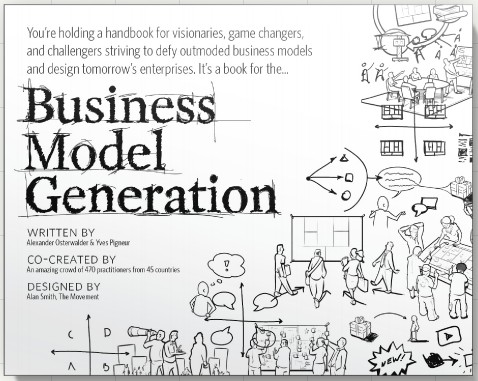
For entrepreneurs designing new ventures, corporate innovation teams working on business model transformation, MBA st…
Buy on Amazon →
Engineers, scientists, and researchers considering or early in the process of commercializing a technical innovation…
Buy on Amazon →
Small business owners — particularly those with five or more years of meaningful profitability — who want a CPA-ancho…
Buy on Amazon →
Tax professionals, policy analysts, and informed citizens who want to understand the structural case for replacing th…
Buy on Amazon →About Roger Miller 2
Read more from Roger Miller 2 and explore the full bibliography on ClearValue Books.
View Roger Miller 2's page →Get an email if our take on The strategic management of large engineering projects changes.
We re-review our picks. We'll email you if The strategic management of large engineering projects's ranking or review changes — no checking back.

Ready to read The strategic management of large engineering projects?
Buy the edition we recommend on Amazon.
Buy on Amazon →