
Best Books for Young Investors.
Where to start when you have decades of compounding ahead of you
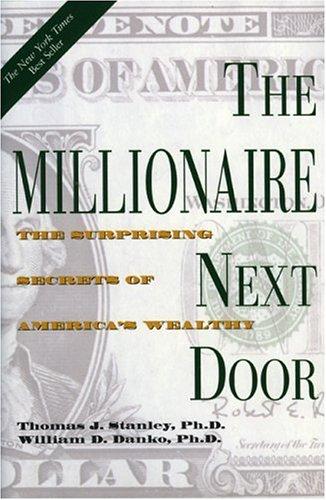
If you're under 30 and reading personal finance books, you already have an edge most people will never close. The math is on your side. A dollar invested at 25 isn't twice as valuable as a dollar invested at 50 — it's closer to four times, assuming you don't touch it. So the question isn't whether to invest. It's what to read first so you don't waste the runway. Start with The Simple Path to Wealth. JL Collins wrote it as a series of letters to his daughter, which makes it readable in a weekend and free of the chest-thumping that ruins most investing books. The argument is narrow on purpose: own broad index funds, avoid debt, save aggressively, ignore the noise. That's the whole book. If you absorb only that and act on it, you'll outperform most actively-managed portfolios over your lifetime. The weakness: Collins is dogmatic about VTSAX specifically, and a young investor reading it in 2026 should know that the principle (low-cost broad index) matters more than the specific ticker. Then The Psychology of Money. Morgan Housel doesn't teach you what to buy. He teaches you why smart people make terrible financial decisions anyway. For a young investor, the lesson that compounds the most is the one about reasonable vs. rational — your portfolio strategy has to be one you'll actually stick with through a 40% drawdown, not the one that backtests best on paper. Read this before your first bear market, not after. The Millionaire Next Door belongs here for one reason: it kills the lifestyle-inflation trap before it starts. Stanley and Danko spent years studying real millionaires and found they mostly drive used cars, live in modest houses, and don't look rich. That sounds like a cliché now because the book invented the cliché. Skip the chapters on the EAF (Economic Outpatient Care) — they read as dated. Read the chapters on household income vs. accumulated wealth. The Elements of Investing is the shortest book on this list and probably the most overlooked. Malkiel and Ellis distill 600 pages of investing theory into 200 pages of practice. Good companion to The Simple Path; redundant if you've already read both.



Questions about this hub
Is The Intelligent Investor a good first book for someone in their 20s?
Not really. Graham's framework is brilliant but the book is dense, written in 1949 prose, and most of it concerns individual stock selection — which is the wrong skill for a young investor to develop first. Start with index-fund-focused books and come back to Graham in your 30s if you ever want to pick individual stocks.
Should I read Rich Dad Poor Dad?
It's polarizing for a reason. Kiyosaki is great at reframing how you think about assets vs. liabilities — that part is genuinely useful for a 22-year-old. The specific tactics (especially around real estate leverage) are dated and oversimplified. Read it for the mindset shift, not as a how-to.
How much should I actually be investing in my 20s?
Higher than you think and lower than the FIRE crowd will tell you. A reasonable starting target is 15% of gross income into tax-advantaged accounts (401k match first, then Roth IRA, then back to 401k). The books above will push you toward 25-50% — that's optional, not required.