
Best Business Books for First-Time Founders.
The financial fluency you need before you fundraise
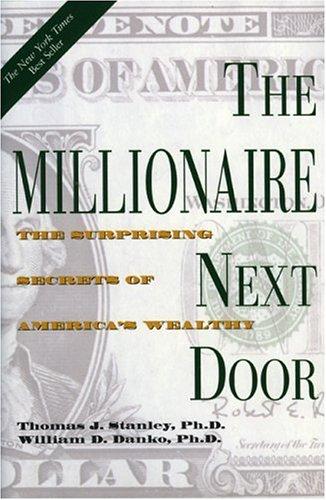
First-time founders read the wrong business books. They read 'Zero to One' and 'The Lean Startup' — both fine, neither in this catalog — and skip the actual fluency they need most: how to think about money, risk, and the psychology of betting on yourself. The list below fills that gap. None of these are 'startup books' in the conventional sense. All of them will make you a sharper operator than the founders who only read startup books. The Psychology of Money is the first read. Housel's thesis — that getting wealthy and staying wealthy are different skills, and the second is mostly about not blowing up — translates directly to running a company. The founder who survives a downturn isn't the one with the cleverest growth model. It's the one who didn't extend the runway to zero before the next round. Read the chapter on tail events twice. Margin of Safety by Seth Klarman is harder to find and worth the effort. Klarman is a value investor, not an entrepreneur, but his central discipline — never bet so much on any single thesis that being wrong kills you — is the operating principle of every founder who survives. The framing of 'margin of safety' as a quantitative discipline, not a vibe, will change how you size every decision about hiring, runway, and customer concentration. The Intelligent Investor earns inclusion for one reason: Graham's distinction between investment and speculation maps cleanly onto the distinction between building a business and gambling on a business. Founders who think they're doing the first while actually doing the second are the founders who later wonder how they ended up with nothing. The Millionaire Next Door and The Next Millionaire Next Door together provide the demographic data on who actually accumulates wealth as a founder. Spoiler: it isn't the ones in the press releases. It's the boring service-business owners who spent below their means for three decades. Useful corrective if you've been reading too much TechCrunch.



Questions about this hub
Why aren't there startup-specific books here?
Because the catalog is finance-heavy and because most startup books age badly — they're case studies of a specific company at a specific moment. Investing classics like Housel and Klarman teach durable thinking about risk and capital that applies regardless of what your company does.
Is Margin of Safety actually worth the price (it's out of print and expensive)?
The library copy is fine. The core ideas — margin of safety as a discipline, never letting any single bet be existential — are explained in summaries and in chapters of other books. If you're a serious operator, the full text is worth reading once. You don't need to own it.