What's the best business book for first-time founders?
In one paragraph
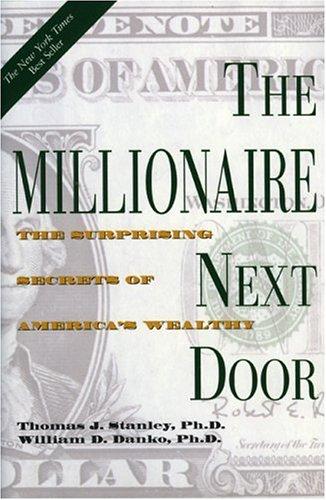
The Millionaire Next Door by Stanley and Danko. Most first-time founders read it as a personal-finance book; it's actually a small-business book — the millionaires Stanley studied overwhelmingly own boring, profitable, owner-operated businesses, and the chapters on how they ran them are still the best founder-mindset reset in print.
What this actually means
First-time founders gravitate toward Silicon Valley startup books — Lean Startup, Zero to One, Hard Thing About Hard Things. Those are useful if you're building a venture-backed software business. They're misleading if you're building the kind of business that produces actual wealth for the founder, which is almost always a profitable owner-operated business.
Stanley and Danko surveyed actual American millionaires and found two-thirds were self-employed or owned closely-held businesses. The businesses are unglamorous: pest control, dry cleaning, dental practices, scrap-metal yards, regional distribution. The founders ran them with low overhead, paid themselves modestly, and reinvested for decades. That's the wealth-building business model.
Stanley's daughter, Sarah Stanley Fallaw, re-ran the research after his death and published The Next Millionaire Next Door in 2018. A new cohort, a modern data set, the same conclusion: frugal, business-owning first-generation wealth builders still outnumber high-income professionals among the actually wealthy. For a founder wondering whether the original 1996 findings still hold, this is the confirmation that they do.
The Warren Buffett CEO by Robert Miles is the strong companion read. Miles profiles the CEOs Buffett bought and kept — Rose Blumkin at Nebraska Furniture Mart, Albert Ueltschi at FlightSafety — and the chapters are case studies in owner-operator discipline. Most first-time founders absorb more useful lessons from one chapter of this book than from a stack of TechCrunch profiles.
For mindset, pair with Psychology of Money — Housel's chapters on long horizons and the role of luck are calibration for new founders convinced their first year is destiny.
Skip books selling 'how I built a $10M business in 18 months.' The honest math is that compounding a profitable boring business for 20 years produces more wealth than chasing the next thing.