What financial books help with a shopping addiction?
In one paragraph
Books that address the emotional and social roots of compulsive spending — rather than budgeting mechanics — are most useful for readers struggling with a shopping addiction.
What this actually means
Shopping addiction, or compulsive buying disorder, is a behavioral pattern in which purchasing provides emotional relief, excitement, or a sense of control — temporarily. The financial damage is real, but the root is psychological, which means books that focus purely on budgeting or debt payoff plans often fail to address the behavior at its source.
The most relevant books approach compulsive spending as a symptom of something larger: attempts to fill emotional needs through consumption.
"The Overspent American" by Juliet Schor examines the social and cultural forces that drive overconsumption — the comparison dynamics, status signaling, and marketing pressures that normalize and encourage spending beyond one's means. Readers who see their behavior in cultural context often find it easier to disentangle personal worth from purchasing power.
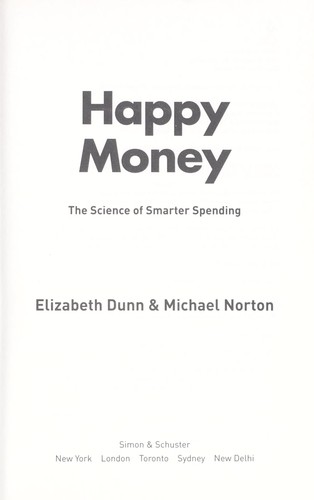
"Happy Money" by Elizabeth Dunn and Michael Norton brings research-backed findings on what spending patterns actually increase well-being — and what doesn't. The book consistently shows that buying experiences, investing in others, and avoiding the hedonic treadmill of material purchases generates more lasting satisfaction than accumulating things. For compulsive shoppers, this reframe can be genuinely disruptive.
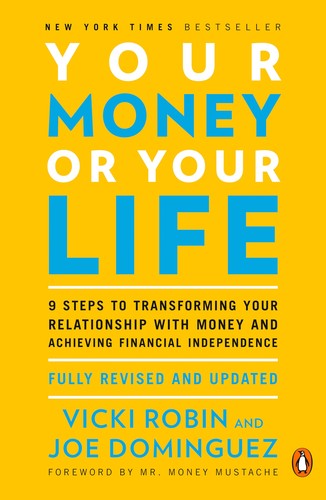
"Your Money or Your Life" offers a structural intervention: calculating the true cost of purchases in hours of life energy rather than dollars. This reframe makes the real price of compulsive spending viscerally clear in a way that dollar amounts often don't.
"Mind Over Money" addresses the clinical dimension directly, exploring compulsive spending as a money disorder with identifiable psychological roots and therapeutic approaches.
Readers dealing with severe compulsive spending may also benefit from the Debtors Anonymous community alongside these books, as peer accountability addresses dimensions that reading alone cannot.