How do I stop impulse spending?
In one paragraph
Impulse spending is a behavioral problem, not a willpower failure — the most effective interventions introduce friction between the impulse and the purchase, including 24-hour waiting rules, cash-only categories, and identifying the emotional trigger behind the habit.
What this actually means
Personal finance books that address impulse spending converge on a key insight: willpower-based approaches fail because they fight the impulse on its own ground. Structural and environmental interventions — changing the conditions that produce the impulse — work far better than moral resolution.
The Overspent American by Juliet Schor examines the social and cultural forces that drive compulsive spending: upward reference groups, status signaling, and the media-driven exposure to higher consumption lifestyles. The book argues that impulse spending is a rational response to irrational social pressures, and that understanding the social driver is the first step toward countering it.
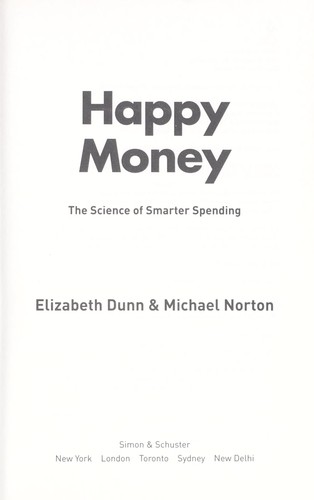
Happy Money by Elizabeth Dunn and Michael Norton brings a behavioral economics lens. The research documented in the book shows that spending on experiences produces more lasting satisfaction than spending on things — and that the anticipation of an experience provides more pleasure than the anticipation of an object. Readers who redirect impulse purchase energy toward planned experiences report fewer regret-driven returns and less overall overspending.
Gail Vaz-Oxlade's Debt-Free Forever provides the most tactical anti-impulse toolkit: a 30-day waiting list for any non-essential purchase over a set dollar amount (often $100); a spending journal that requires writing down every purchase, which adds friction and self-awareness simultaneously; and identified spending triggers — boredom, stress, social pressure — paired with replacement behaviors.
Bari Tessler's The Art of Money takes the emotional layer further, treating compulsive spending as a signal of an unmet need — for comfort, for belonging, for control — rather than a character flaw. The framework asks readers to identify the feeling present immediately before an impulse purchase and to address the underlying need directly, rather than through spending.