

The Art of Money

Curated by Brian Kim, CPA — every pick gets a plain-English summary and the key takeaways.
Brian Kim, CPA · 2.89M YouTube Subscribers →What this book actually teaches
- 01Most people who struggle with money are not struggling with math — they are struggling with avoidance, shame, or inherited beliefs that no budgeting app addresses.
- 02Tessler's three-phase framework — Money Healing, Money Practices, Money Maps — is organized around the psychological layer first and mechanics second, which is the inverse of most personal finance books.
- 03The body-awareness practices for noticing physical sensations around money conversations come from Tessler's somatic therapy background and are distinctive in the personal finance genre.
- 04The annual "money date" ritual — a structured review of the full financial picture, often with a partner — is one of the most transferable practical tools in the book.
- 05This is not a financial planning book; it contains no investment guidance, debt payoff frameworks, or tax strategy — use it as a psychological complement to those resources, not a replacement.
What's in this book
Bari Tessler's The Art of Money (2016) argues that the way most people approach personal finance — through spreadsheets, budgets, and optimization — is incomplete because it skips the emotional and psychological layer that determines whether any financial system actually gets used. Tessler, a financial therapist who trained in somatic therapy before pivoting to money work, built her practice around a simple observation: most people who struggle with money are not struggling with math. They are struggling with avoidance, shame, fear, or inherited beliefs about money that no spreadsheet addresses. The book is an attempt to provide that missing layer.
Tessler organizes the book around what she calls the three phases of "money healing." The first phase, Money Healing, covers the emotional and psychological groundwork: body-based awareness practices for noticing the physical sensations that arise around money conversations, journaling prompts for tracing money beliefs back to childhood and family origin, and exercises for developing what she calls "tender curiosity" toward past financial mistakes rather than shame. The second phase, Money Practices, covers the practical mechanics — categorizing spending, building a simple bookkeeping system, the annual money date Tessler recommends as a ritual for reviewing the full financial picture together with a partner. The third phase, Money Maps, addresses the integration of financial decisions with values, life stages, and longer-term purpose — less about specific investment or saving targets and more about deliberate alignment between spending and what someone actually cares about.
This is aimed at people who know what they should be doing financially but can't make themselves do it consistently — specifically those for whom avoidance, anxiety, or emotional reactivity around money has been the actual barrier, not lack of information.
The weaknesses are clear. The Art of Money is not a financial planning book. It contains no investment guidance, no tax strategy, no debt payoff frameworks beyond the psychological side of debt shame. The somatic and body-awareness exercises will resonate with readers already comfortable in that tradition and will be a barrier for others. The writing is warm and personal in a way that some readers will find supportive and others will find insufficiently rigorous for the financial decisions at stake. Tessler's framework also doesn't engage the structural financial realities — income constraints, systemic inequality — that make money management genuinely harder for some households than others.
Worth reading as a complement to practical financial planning for people who have tried and abandoned budgets, feel chronic anxiety or shame about money, or recognize that the psychological layer is where their work needs to happen first. Not a substitute for financial planning.
Read next

For anyone whose financial education was "get a good job and save" — the book is most valuable for first-time readers…
Buy on Amazon →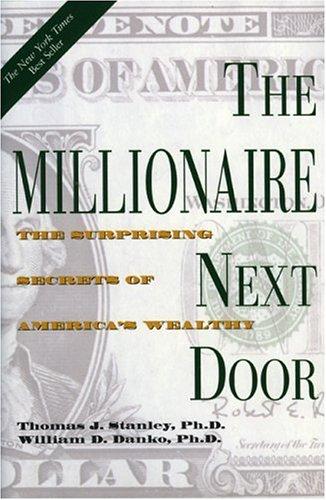
For anyone who confuses high income with wealth, or who feels behind because their lifestyle doesn't look like the we…
Buy on Amazon →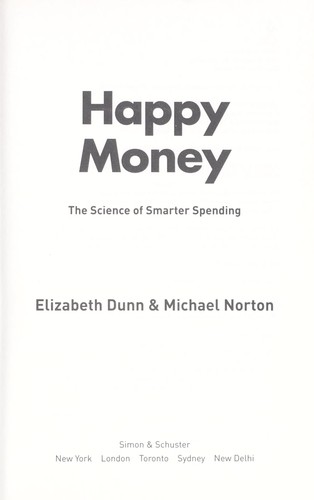
Anyone who earns enough to make discretionary spending choices but suspects their spending is not generating proporti…
Buy on Amazon →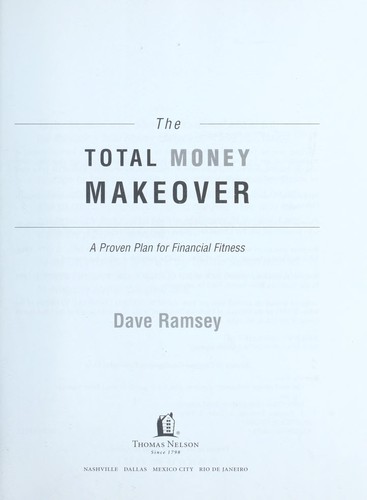
Households in active consumer-debt distress who need a non-negotiable shared script. Not for investors already past B…
Buy on Amazon →About Bari Tessler
Read more from Bari Tessler and explore the full bibliography on ClearValue Books.
View Bari Tessler's page →Get an email if our take on The Art of Money changes.
We re-review our picks. We'll email you if The Art of Money's ranking or review changes — no checking back.
