Is Rich Dad Poor Dad still worth reading in 2026?
In one paragraph
Yes, but only for one idea: assets put money in your pocket; liabilities take it out. That single reframe is worth the read. Everything else — the real-estate tactics, the financial advice, Kiyosaki's recent media — is dated or unreliable.
What this actually means
Rich Dad Poor Dad has sold over 40 million copies for a reason: the asset-vs-liability reframe in chapter 2 genuinely changes how a lot of people think about money. If you've never been taught that your primary residence is not an asset (it doesn't produce cash flow, it consumes it), the book delivers that lesson better than anything else in the personal-finance canon.
The problem: most of the rest of the book hasn't aged well. The real-estate tactics assume 1990s conditions. The 'rich dad' character is almost certainly a literary device, not a real person. Kiyosaki's recent decade of media — bitcoin maximalism, predictions of imminent dollar collapse, get-rich seminars — has done real damage to his brand.
Read chapters 1-3 (the asset-liability framework). Skim the rest. Don't follow specific investment tactics from the book — they were marginal in 1997 and they're worse now.
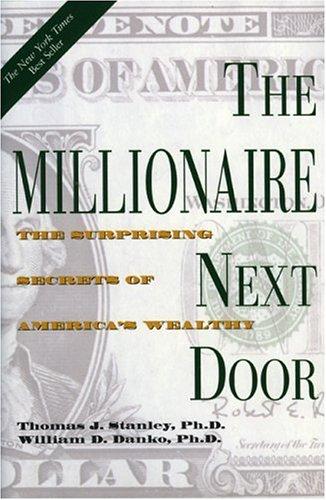
If you want the asset-mindset reframe without the Kiyosaki baggage, The Millionaire Next Door delivers the same lesson with actual research. Stanley and Danko studied real American millionaires and found they live below their means, drive used cars, and invest the difference. Same asset-liability lesson, better data, no seminars.