
The Best Personal Finance Books for Families (2026).
Managing money when more than one person depends on you getting it right
Family finances are harder than individual finances — not because the math changes, but because you're now making decisions that affect people who didn't choose your risk tolerance. A mortgage, a college savings plan, life insurance, a joint budget that two people actually agree on: none of these have easy answers, and most personal finance books don't address them as a unit. The books below were selected because they engage with the real complexity of family financial planning — including how couples fight about money, how to talk to kids about it, and how to plan for the expenses that reliably derail family budgets (college, aging parents, unexpected medical costs). These books work whether you're just starting a family or managing a household with teenagers.
We required each book to address family-specific dynamics: joint budgeting, college planning, life insurance, estate basics, or teaching kids about money. Books focused on individual investing or solo budgeting without a family lens were excluded.
The list, in order
- №1◈ Best for couples building a shared financial plan
Smart couples finish rich
by David Bach
Bach's couples-focused personal finance book is the best starting point for families. It walks two-income (and single-income) households through building a shared financial plan, navigating money disagreements, and setting joint goals. The couple's financial meeting framework has saved more household arguments than most relationship books.
- №2◈ Best for teaching kids financial reality
Cold hard truth on family, kids & money
by Kevin O Leary 2
Kevin O'Leary is blunt to the point of discomfort, which is exactly what family financial planning needs. This book covers the conversations most families avoid: what to tell your kids about money, how to structure allowances that build financial discipline, and how not to undermine your own retirement by over-funding college.
- №3◈ Best for raising financially literate kids
Rich Dad's Rich Kid, Smart Kid
by Robert T Kiyosaki · 2001
Kiyosaki's kids-focused book is more valuable than the original Rich Dad Poor Dad for family contexts. It gives parents a framework for financial education at different ages — practical for parents who want to raise financially literate children without just lecturing them about saving.
- №4◈ Best for college planning
How to pay for your children's college education
by Krefetz Gerald · 1988
A practical, numbers-focused guide to 529 plans, financial aid strategy, and how to think about college funding without gutting your own retirement. The best family financial decision you can make is understanding college costs before your kid is 14. This book does that job.
- №5◈ Best for understanding the psychology of couples and money
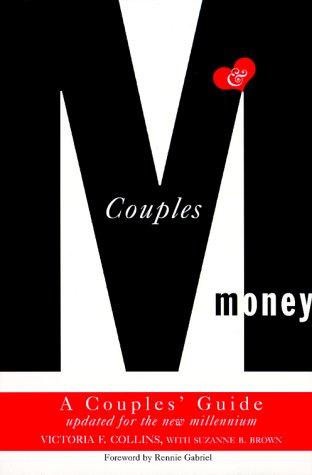
Couples and money
by Victoria F Collins · 1990
Victoria Collins addresses the psychological dimension of shared finances — why couples fight about money, how different money personalities create conflict, and how to build a financial partnership that survives the disagreements. A complement to the tactical books on this list.


Get notified when our book picks change.
Set it once. We'll email you when a pick worth knowing about changes — no checking back.
Questions about this list
Should we combine finances completely or keep separate accounts?
Both approaches work — what matters is that you have a system you both understand and agree on. Smart Couples Finish Rich covers the hybrid model (joint account for shared expenses + individual accounts for personal spending) which reduces conflict for many couples without requiring identical financial values.
When should we start saving for college?
As early as possible, but not at the expense of your retirement or emergency fund. How to Pay for Your Children's College Education is the most direct reference for this sequencing. The general principle: fund your retirement first, then college — there's no financial aid for retirement.
How do we talk to kids about money without making them anxious?
Age-appropriate transparency is the research-backed answer. Rich Kid Smart Kid gives parents a developmental framework. The goal is kids who understand that money is a tool and requires decisions — not kids who are either sheltered from all financial reality or overburdened with family financial stress.