
Best Books About Estate Planning.
What to read before you see the attorney — and what no book replaces
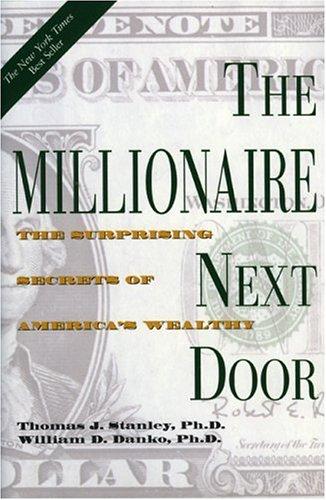
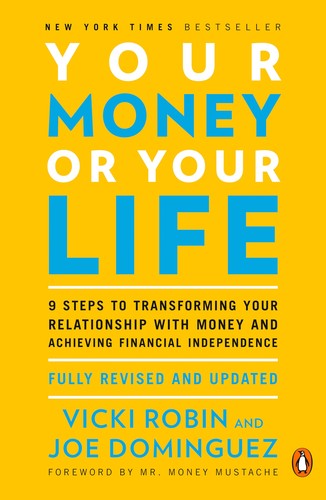
Estate planning is one of the few areas of personal finance where a book genuinely cannot replace a professional. State law varies, federal rules change, and the difference between a properly funded revocable trust and an unfunded one is the difference between your heirs spending an afternoon or eighteen months on probate. So the honest answer first: there is no estate planning book in this catalog, and you wouldn't want one to be your primary source even if there were. A fee-based estate attorney in your state is the right answer. What the catalog can do is teach you the wealth philosophy that makes estate planning matter — what you're planning to transfer, why, and to whom — so that when you sit down with the attorney, you're not paying them $400 an hour to help you decide what your values are. The Millionaire Next Door is the most useful book here for one specific reason: Stanley and Danko's research on what they call 'economic outpatient care' — wealthy parents subsidizing adult children — is some of the clearest data on how inheritance can quietly damage the people receiving it. Read this before you decide how much to leave outright, how much to put in trust, and at what age your kids should get it. The book changes how people answer those questions. The Next Millionaire Next Door updates the data and is worth reading alongside the original. The patterns Stanley first documented in the 1990s have held up. The implications for how you structure inheritance — and whether you tell your kids about it at all before they're 35 — are still the most important practical question in estate planning that isn't a legal question. Your Money or Your Life is a values clarifier. Joe Dominguez's framework for thinking about what your money is for naturally extends to thinking about what your estate is for. Many people draft wills without ever having sat down and decided whether their goal is to leave the maximum dollar amount, to fund specific outcomes (education, a down payment, a charity), or to leave nothing because they've already given while alive. The book forces the decision. The Psychology of Money has one chapter — the one on enough — that's the right last read before the attorney appointment. Housel's point is that wealth without a clear definition of enough drives both lifestyle creep during life and badly-structured estates after death. Get clear on enough first. Then call the attorney. What no book in this catalog covers: the mechanics of wills, revocable trusts, irrevocable trusts, beneficiary designations, transfer-on-death accounts, the federal estate tax exemption, state inheritance taxes, generation-skipping transfer tax, or step-up in basis. For those, see an estate attorney and a CPA. The books here get you to the meeting with the right questions.


Questions about this hub
Can I do my estate plan from a book?
For simple cases — a will, a power of attorney, a healthcare directive — online tools can work. For anything involving real assets, blended families, business ownership, or minor children, hire an attorney in your state. The cost of getting it wrong is enormous and only shows up after you're gone.
What does The Millionaire Next Door have to do with estate planning?
More than any of the other books on this list. Stanley's data on how inherited wealth affects adult children — what he calls 'economic outpatient care' — is the most important behavioral input into how you structure what you leave behind. Read it before you decide whether to leave assets outright or in trust.
How much should I leave my kids?
Not a question this catalog answers, and not one any book should answer for you. But The Millionaire Next Door, The Next Millionaire Next Door, and Your Money or Your Life will give you a more rigorous framework for deciding than the default of 'everything, equally, outright, at age 18.'