
Emergency Fund Essentials: How Much Cash to Keep and Where to Keep It.
The financial foundation that makes every other goal achievable
An emergency fund is a designated pool of liquid savings set aside exclusively for genuine financial emergencies: job loss, medical events, major car or home repairs, or other unexpected expenses that would otherwise require debt or liquidating investments at a loss. It is the foundational element of personal financial security, functioning as a buffer between life's unpredictability and the rest of a financial plan. The conventional guidance of three to six months of essential living expenses is a starting point, not a universal prescription. Single-income households, self-employed individuals, commission-based workers, and those in industries with volatile employment should target six to twelve months. Two-income households with stable employment in different fields can often sustain themselves with three months. The target should be calibrated to the actual income-recovery time in a worst-case scenario, not to a round number. Where the money is held matters as much as how much. Emergency funds must be liquid — accessible within one to three business days without penalty — and separated from day-to-day checking accounts to reduce the temptation to treat them as discretionary spending. High-yield savings accounts and money market accounts at online banks currently offer significantly better returns than traditional bank savings accounts while maintaining FDIC insurance. Short-term Treasury bills held in a brokerage account can serve as a higher-yielding alternative for the portion of the fund not needed immediately. Emergency fund discipline is the difference between a temporary setback and a financial spiral. The books in this collection treat the emergency fund not as an afterthought but as the prerequisite for every other wealth-building step.


Questions about this theme
Should an emergency fund be kept in a savings account, money market account, or short-term investments?
The priority ordering is: safety, liquidity, and then yield. FDIC-insured high-yield savings accounts at online banks satisfy all three — they are protected up to $250,000 per depositor, accessible within 1-2 business days, and currently earn meaningfully more than traditional bank savings rates. Money market accounts at credit unions and banks offer similar access and often competitive rates. Short-term Treasury bills held in a brokerage account provide government-backed safety and competitive yields but may take 3-5 days to settle and sell, making them better suited for the longer-term portion of a larger emergency fund. Investment accounts holding stocks or bond funds are inappropriate because their value can fall exactly when an emergency strikes.
Is it better to pay down debt or build an emergency fund first?
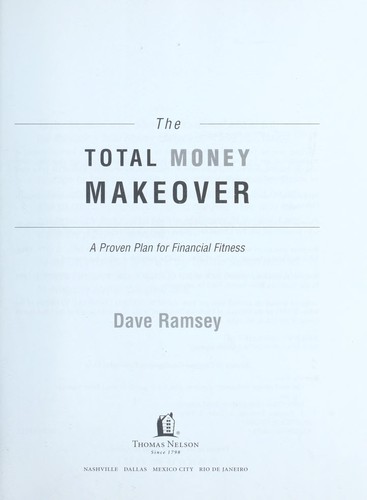
Most financial planners recommend a small starter emergency fund ($1,000-$2,000) before accelerating debt payoff, with the full 3-6 month fund built after high-interest debt is eliminated. The reasoning is behavioral: without any liquid buffer, an unexpected expense derails debt payoff progress by forcing new debt accumulation. Dave Ramsey's Baby Steps framework codifies this order. However, investors carrying low-interest debt (under 5-6%) who have stable employment may be better served building the full emergency fund first and then addressing debt more gradually, since the fund protects the ability to keep investing and avoids relying on revolving credit during a minor emergency.
What actually counts as an emergency that justifies using the fund?
Genuine emergencies are unplanned, necessary, and urgent — events that would materially harm financial stability if not addressed immediately. Job loss, medical expenses not covered by insurance, essential car repairs for a vehicle needed to work, and home system failures (heating, plumbing, roof) are the canonical examples. Elective expenses, predictable irregular costs (car registration, annual insurance premiums), vacation, or holiday spending do not qualify. The practical test: would a reasonable person who knew this expense was coming have saved for it separately? If yes, it belongs in a sinking fund, not the emergency fund. Maintaining that distinction is what preserves the fund's availability for actual emergencies.