Should I use cash envelopes or a budgeting app?
In one paragraph
Cash envelopes force physical friction that curbs overspending; apps offer real-time tracking and convenience — the right choice depends on whether the spender's problem is awareness or impulse control.
What this actually means
The debate between cash envelopes and digital budgeting tools is really a debate about behavioral psychology. The two systems solve different problems, and personal finance books provide a surprisingly clear framework for choosing between them.
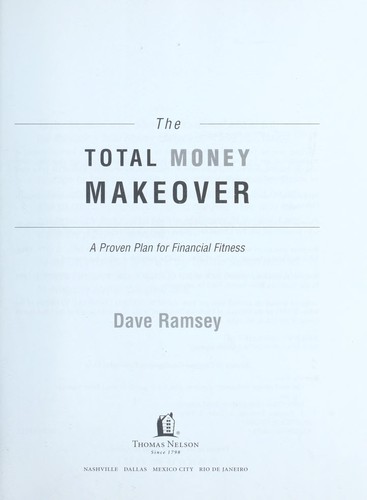
Dave Ramsey's The Total Money Makeover is the most prominent advocate for physical cash envelopes. The argument is tactile: spending cash feels real in a way that swiping a card does not. Research cited in the behavioral economics literature — and echoed in Happy Money — confirms that people spend less when they hand over bills versus tapping a screen. For households that chronically overspend in categories like dining, groceries, or entertainment, the physical constraint of an empty envelope is a hard stop that no app can fully replicate.
On the other side, apps offer capabilities envelopes cannot: automatic transaction imports, real-time category totals, partner visibility without sharing a wallet, and historical trend data that reveals patterns over months. For two-income households with interleaved finances, a shared digital budget is often more practical than coordinating who carries which envelope.
Suze Orman's Financially Fearless and Beth Kobliner's Get a Financial Life both lean toward whatever system a household will actually maintain. The failure rate of cash envelopes among high card-volume users is significant — forgetting to withdraw cash, reimbursement situations, and online purchases all create friction that leads to system abandonment.
A hybrid approach appears in The Debt-Free Spending Plan by JoAnneh Nagler: use cash for the two or three categories where overspending is the chronic problem (typically dining and discretionary shopping) while tracking everything else digitally. This targets the behavioral fix where it's needed without requiring a complete lifestyle change.