

The debt-free spending plan

Curated by Brian Kim, CPA — every pick gets a plain-English summary and the key takeaways.
Brian Kim, CPA · 2.89M YouTube Subscribers →What this book actually teaches
- 01The system rejects the "budget" framing in favor of a "spending plan" that explicitly allocates money to things the reader values — including fun money — on the grounds that plans with zero discretionary spending fail within weeks while modest allowances sustain compliance over months.
- 02Daily handwritten tracking against planned category amounts is the operational core: it prevents overspending before month-end and creates a record without requiring recall from bank statements.
- 03The paper-based system is a deliberate design choice — Nagler argues that manual tracking creates psychological engagement with spending that automated apps undermine, though the evidence on this is contested.
- 04The debt payoff mechanic is functionally the avalanche method: minimum payments on everything, every available dollar to the highest-interest debt, with a mandatory small discretionary allocation preserved to sustain long-run compliance.
- 05The relationship section is more practical than most personal finance books offer — frameworks for the initial financial-state conversation with a partner, joint tracking when spending styles differ, and navigating the common scenario in which one partner is more financially engaged.
What's in this book
The Debt-Free Spending Plan by JoAnneh Nagler, published in 2013, proposes a simple spending planning system built on a single foundational premise: most people in debt are not there because they earn too little but because they spend without a plan, and the cure is not deprivation but a written spending plan that assigns every dollar before it is spent. Nagler, who eliminated her own debt using this method, rejects what she calls the "budget" framing — with its connotations of restriction and sacrifice — in favor of a plan that explicitly allocates money to things the reader values, not just to necessities.
The system's core mechanics are straightforward. Nagler instructs readers to calculate their actual monthly take-home income, list all fixed monthly obligations (rent, utilities, minimum debt payments), and then allocate the remainder across spending categories using what she calls "Spending Plan" sheets — paper-based tracking forms that function as a ledger of daily spending against planned amounts. The system is deliberately non-digital; Nagler's argument is that writing numbers down and tracking them manually creates a psychological engagement with spending that automated apps undermine. This is a contested claim — the research on digital versus paper tracking is mixed — but it is a coherent design choice rather than an oversight.
The debt payoff section applies a simple but specific rule: identify the highest-interest debt, make minimum payments on everything else, and direct every available dollar beyond fixed expenses to that single debt. Nagler does not use the avalanche/snowball terminology, but her approach is functionally the avalanche method with an important twist — she insists that the spending plan must include a small monthly allocation to fun money and personal spending, even during aggressive debt payoff. Her argument is that systems that eliminate all discretionary spending produce compliance failure within weeks; a plan that includes modest allowances for enjoyment is more likely to be sustained for the months or years most debt payoff requires.
The daily tracking protocol is the operational heart of the system. Nagler instructs readers to track spending daily — every purchase, every cash withdrawal, every automatic charge — against their Spending Plan categories. The daily review serves two functions: it prevents over-spending within a category before the end of the month, and it produces a record that shows the reader exactly where money goes without requiring recall or reconstruction from bank statements. The system's emphasis on daily engagement is its most demanding feature and the one most likely to determine whether it works for a given reader.
The book addresses financial communication within relationships in a dedicated section, which most personal finance books handle inadequately. Nagler provides frameworks for having the initial "this is where we are" conversation with a partner, establishing joint tracking when partners have different spending styles, and navigating the more common scenario in which one partner is more financially engaged than the other. The guidance is practical rather than therapeutic.
This is for people who have tried budgeting apps and spreadsheets without sustaining the habit, or who have a clear picture of their income and fixed obligations but no reliable mechanism for controlling variable spending — particularly those who need a system that builds in accountability without requiring external accountability partners.
The weaknesses are the manual tracking demand and the publication date. The requirement for daily handwritten tracking is a significant commitment that many readers will not sustain, and Nagler provides limited guidance on what to do when a day is missed or a tracking week breaks down. The 2013 publication date means the specific tools she recommends — paper forms, physical binders — feel dated relative to current options, and the book does not address how the system integrates with or replaces the digital spending tracking tools that have proliferated since publication. The debt payoff mechanics are correct but not original; the value is in the behavioral structure around them, not the math.
For readers who have found that knowing the right moves financially hasn't been enough to actually make them consistently, The Debt-Free Spending Plan offers a structured daily system that converts financial intention into spending behavior — if the manual tracking commitment can be sustained.
Read next

For anyone whose financial education was "get a good job and save" — the book is most valuable for first-time readers…
Buy on Amazon →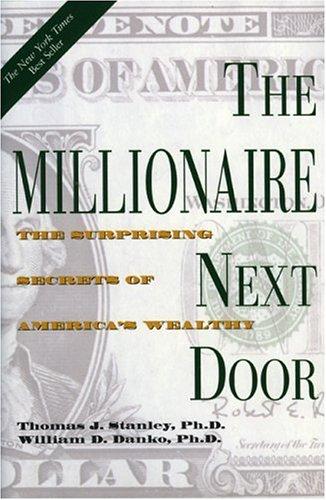
For anyone who confuses high income with wealth, or who feels behind because their lifestyle doesn't look like the we…
Buy on Amazon →
Anyone who earns enough to make discretionary spending choices but suspects their spending is not generating proporti…
Buy on Amazon →
Households in active consumer-debt distress who need a non-negotiable shared script. Not for investors already past B…
Buy on Amazon →About Joanneh Nagler
Read more from Joanneh Nagler and explore the full bibliography on ClearValue Books.
View Joanneh Nagler's page →Get an email if our take on The debt-free spending plan changes.
We re-review our picks. We'll email you if The debt-free spending plan's ranking or review changes — no checking back.
Across the site
Featured in lists
Recommended in answers

Ready to read The debt-free spending plan?
Buy the edition we recommend on Amazon.
Buy on Amazon →