
The Best Personal Finance Books of All Time.
The foundational texts that have helped millions take control of their money
Personal finance has produced more forgettable books than almost any other genre — variations on the same advice dressed up in new metaphors. But a small number of titles have genuinely changed the financial trajectories of millions of readers, not by offering novel information but by delivering old truths in ways that actually changed behavior. That's the standard this list holds. Not the most technically sophisticated books, not the most recent, not the most popular — but the ones that move readers from knowing what to do to actually doing it. The titles here have been recommended by financial advisors, passed between family members, assigned in community college courses, and pulled off shelves years after first publication. Each one found a way to make the uncomfortable topics of budgeting, debt, and saving feel urgent and manageable rather than shameful and overwhelming. If you have never read any of these five books, start with whichever title most closely matches your current situation. You'll come back to the others.
We evaluated longevity, reader behavior change, and breadth of applicability. Books were required to have remained relevant and actionable across multiple decades and economic conditions, not just in the specific period when they were written. We excluded books that are historically interesting but whose specific advice (on interest rates, tax law, or market conditions) has become outdated.
The list, in order
- №1◈ Best for debt elimination and cash flow
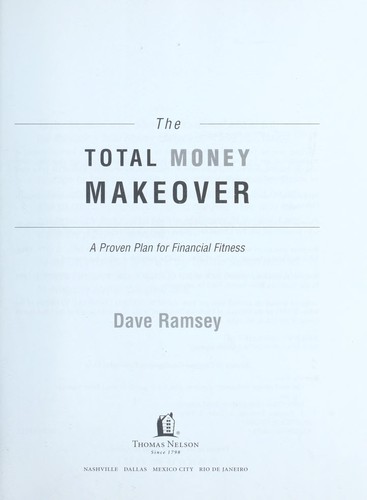
The Total Money Makeover
by Dave Ramsey
◈CanonDave Ramsey's Baby Steps system has helped more people get out of debt and build an emergency fund than any other personal finance framework. Its power is its simplicity and its sequence — you do Step 1 before Step 2, which creates momentum and prevents the paralysis of trying to optimize everything at once. Over five million copies sold, and the people who follow it actually finish it.
- №2◈ Best for financial independence philosophy
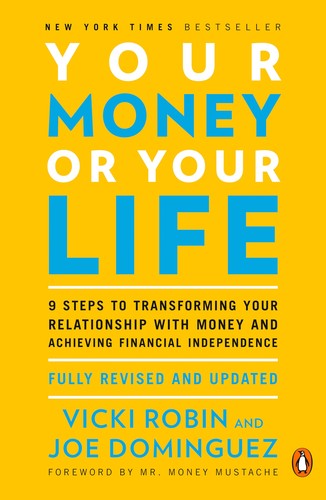
Your Money or Your Life: 9 Steps to Transforming Your Relationship with Money and Achieving Financial Independence
by Vicki Robin · 1992
◈CanonVicki Robin's 1992 classic reframed personal finance as a question of values rather than math: how much of your life energy are you trading for each dollar you spend? Its concept of calculating your 'real hourly wage' — factoring in commuting, decompression time, and work-related expenses — permanently changes how readers think about discretionary spending. The most philosophically rich personal finance book ever written.
- №3◈ Best for wealth-building mindset
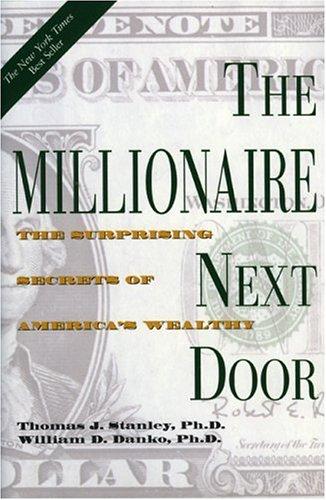
The Millionaire Next Door
by Thomas Stanley · 1996
◈Canon★Brian's PickThomas Stanley and William Danko's 1996 research demolished the myth of what wealthy people look like. The actual millionaires in their study drove used cars, lived in modest houses, and accumulated wealth by spending far less than they earned over decades. No formula, no shortcut — just the data on what actual wealth accumulation looks like in practice. Still the best antidote to status-driven spending.
- №4◈ Best for behavioral insight
The Psychology of Money
by Morgan Housel · 2020
◈Canon★Brian's PickMorgan Housel's book belongs on every personal finance list because it addresses the real reason people make poor financial decisions: not ignorance, but the collision of money with emotion, ego, and short-term thinking. Its 19 chapters can be read in any order, and each one contains at least one idea that will make you reconsider a financial belief you've held for years.
- №5◈ Best comprehensive reference
Dave Ramsey's Complete Guide to Money: The Handbook of Financial Peace University
by Dave Ramsey · 2011
The comprehensive handbook companion to Ramsey's Financial Peace University course covers every major personal finance topic — budgeting, debt, insurance, investing, giving — in more depth than The Total Money Makeover. Where TMM is motivational, this guide is reference-grade. Use them together: TMM to build momentum, this book to fill in the details as you progress through the Baby Steps.


Get notified when our book picks change.
Set it once. We'll email you when a pick worth knowing about changes — no checking back.
Questions about this list
Which personal finance book should I read first?
Depends on your situation. If you're carrying high-interest debt, start with The Total Money Makeover — it gives you an immediate action plan. If you're debt-free but feel like your money has no purpose, start with Your Money or Your Life. If your spending habits feel out of control despite decent income, The Millionaire Next Door is the most clarifying read.
Do these books conflict with each other?
Somewhat, in emphasis. Ramsey is strongly anti-credit and prescribes specific percentages for spending categories. Robin's approach is more philosophical and individualized. Housel doesn't prescribe any specific strategy. The good news is that the conflicts are at the level of tactics, not principles — spend less than you earn, avoid high-interest debt, invest consistently — on which all five books agree.
Are these books relevant if I already have a good income?
Yes — the problems these books address don't disappear with higher income; they often intensify. Lifestyle inflation, lack of emergency savings, and absence of a clear financial plan are extremely common among high earners. The Millionaire Next Door is especially relevant here, since its research specifically studied people with high incomes who failed to accumulate wealth alongside those who did.