
The Best Books for Social Security Strategy.
When to claim, how to maximize benefits, and what most retirees get wrong
Social Security is the single largest income source for most American retirees, yet claiming decisions are widely misunderstood. The difference between claiming at 62 and waiting until 70 can exceed $100,000 in lifetime benefits for many individuals — and the gap widens further for married couples who can coordinate spousal and survivor benefits strategically. The 'right' time to claim depends on your health, other income sources, spouse's benefit, tax situation, and how you think about longevity risk. Most people claim too early because they don't understand the math or fear the program won't be there. The books in this list cut through the confusion with clear explanations of how the system actually works, how benefits are calculated, what spousal and survivor rules mean for couples, and how Social Security interacts with Medicare premiums, taxes, and RMDs. Whether you're 55 and planning ahead or 63 and deciding in the next two years, these books will make you a significantly more informed decision-maker.
We selected books that directly address Social Security claiming strategy, benefit calculation, and spousal coordination. Priority went to titles written by financial planners, CPAs, or researchers with Social Security expertise. We required books to address at least spousal benefits and delayed claiming trade-offs, and we prioritized titles updated for recent rule changes.
The list, in order
- №1◈ Best Overall
The Savvy Senior
by Jim Miller
A comprehensive and regularly updated resource that covers Social Security benefits in the context of the full picture of senior financial life. The Social Security chapters are particularly strong on survivor benefits, the earnings test before full retirement age, and the COLA adjustment mechanics. Written for clarity — a non-specialist can read it without a financial background.
- №2◈ Best for Integrated Planning
Aging and Money
by Ronan M Factora
This book integrates Social Security strategy with the broader financial and cognitive challenges of aging, including how declining financial capacity affects claiming decisions and how to involve family members in planning. The chapter on coordinating Social Security timing with RMDs and Medicare IRMAA surcharges is unusually practical.
- №3◈ Best for Clarity
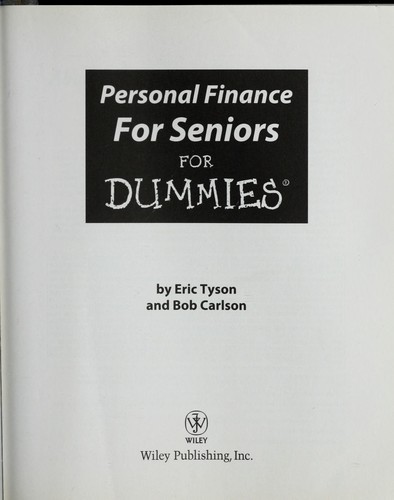
Personal finance for seniors for dummies
by Eric Tyson
One of the clearest plain-English guides to Social Security mechanics available. Covers full retirement age calculations, delayed retirement credits, how benefits are taxed at the federal level, and the spousal benefit framework. The 'For Dummies' format works particularly well here — concepts are broken into digestible sections without oversimplifying the underlying rules.
- №4◈ Best for Context
How Much Is Enough?: Money and the Good Life
by Robert Skidelsky · 2012
While not a Social Security manual, this book provides the philosophical scaffolding for the most important Social Security question: what are you actually funding in retirement? Understanding your spending baseline changes when and how much Social Security income you need, which in turn determines your optimal claiming age. Essential for grounding the numbers in a larger plan.
- №5◈ Best for Longevity Planning
The Truth About Your Future
by Ric Edelman
Ric Edelman's forward-looking analysis of retirement income addresses Social Security in the context of demographic stress, potential benefit adjustments, and how to plan for a retirement that may stretch to 90 or beyond. His treatment of longevity risk — the core argument for delaying claiming — is the most data-driven available for a general audience.




Get notified when our book picks change.
Set it once. We'll email you when a pick worth knowing about changes — no checking back.
Questions about this list
Should I claim Social Security at 62 or wait until 70?
Waiting to 70 increases your monthly benefit by about 76% compared to claiming at 62. The break-even age — when total lifetime benefits from waiting surpass total benefits from early claiming — is typically around 80-82. If you expect to live past that age and don't need the income immediately, waiting pays off. If you have health concerns or pressing cash flow needs, claiming earlier may be right. Married couples have additional strategic options involving spousal and survivor benefits that complicate the calculus further.
How do spousal Social Security benefits work?
A spouse who didn't work or earned significantly less can claim up to 50% of the higher-earning spouse's full retirement age benefit. Survivor benefits allow a widow or widower to step up to 100% of the deceased spouse's benefit if it's higher than their own. This makes the higher earner's claiming decision a household decision — delaying to 70 increases the survivor benefit permanently, which matters most to the younger or healthier spouse.
Will Social Security still exist when I retire?
The Social Security trust funds face a projected shortfall in the mid-2030s under current law, but this doesn't mean benefits disappear — ongoing payroll tax revenue covers roughly 75-80% of scheduled benefits. Most analysts expect Congress to act before benefits are cut to that degree, through some combination of tax increases and benefit adjustments for higher earners. Planning for a modest haircut is prudent; planning for zero benefits overstates the risk.