

The Savvy Senior

Curated by Brian Kim, CPA — every pick gets a plain-English summary and the key takeaways.
Brian Kim, CPA · 2.89M YouTube Subscribers →What this book actually teaches
- 01The Medicare enrollment sections cover the premium surcharge penalties for late enrollment, Medigap plan comparison mechanics, and Part D formulary evaluation — more functional detail than most general senior guides provide, though specific program rules require current verification.
- 02The survivor benefit rule — that a widow or widower can claim a survivor benefit while delaying their own benefit to earn delayed retirement credits — gets specific attention and is a point many people navigating Social Security miss.
- 03The benefits programs chapter functions as a checklist for programs most seniors do not know they are eligible for: Medicare Savings Programs, Extra Help for drug costs, SNAP, LIHEAP, and state property tax deferral programs — underutilized because eligible people are unaware.
- 04The 2010 publication date makes several sections unreliable as current reference: the Part D coverage gap has since closed, file-and-suspend and restricted Social Security application strategies were eliminated in 2015, and Medicaid expansion changed low-income coverage significantly.
- 05The Q&A format identifies issues clearly but resolves most at an introductory level — readers with complex Medicare Advantage, Medigap, or Social Security claiming situations will need specialized guidance beyond what the book provides.
What's in this book
The Savvy Senior by Jim Miller, published in 2010, is a reference guide for older Americans and their family caregivers covering the practical questions that arise in the years surrounding retirement: Medicare enrollment, Social Security claiming, prescription drug coverage, long-term care options, housing downsizing, benefits programs for low-income seniors, and consumer protection against the financial scams that disproportionately target older adults. Miller writes the nationally syndicated "Savvy Senior" newspaper column, and the book carries that format's DNA — short, question-and-answer style chapters that give direct, actionable answers rather than extended analysis.
The Medicare section is one of the book's most practically useful segments. Miller covers the enrollment windows for Parts A and B — including the specific circumstances under which missing the initial enrollment window triggers permanent premium surcharges — the prescription drug coverage mechanics of Part D (formularies, the coverage gap that was still in place in 2010, and how to compare plans), and the difference between Original Medicare and Medicare Advantage plans, including what Medicare Advantage covers that Original Medicare does not and the trade-offs in provider network flexibility. The treatment of Medigap supplemental policies covers the standardized plan lettering system and how to compare plans across carriers. This is more functional detail on Medicare enrollment than most general senior resource guides provide.
The Social Security claiming section covers the basic claiming mechanics — the reduction for claiming before full retirement age, the delayed retirement credits for claiming after it — and the spousal and survivor benefit rules that determine the optimal claiming strategy for married couples. Miller's treatment is appropriate for a general audience without going deep enough into the break-even analysis that more specialized Social Security optimization guides cover. The widow and widower survivor benefit rules get specific attention, including the ability to claim a survivor benefit while delaying one's own benefit — a point many people miss.
The benefits programs chapter covers programs most seniors do not know they are eligible for: the Medicare Savings Programs that pay Part B premiums for low-income enrollees, the Extra Help program that reduces Part D drug costs, the Supplemental Nutrition Assistance Program (SNAP) for seniors with limited income, the Low Income Home Energy Assistance Program (LIHEAP), and the property tax deferral and reduction programs available in most states. Miller's consistent point is that these programs are underutilized because eligible people do not know they exist — the chapter is structured as a benefits checklist rather than a comprehensive analysis.
The consumer protection sections address the specific scams that target older adults: fake Medicare card scams, investment fraud schemes (reverse churning, phony annuities, equity indexed products with high surrender charges), telemarketing fraud, and contractor fraud after natural disasters. Miller provides specific warning signs for each and the relevant reporting channels (FTC, state attorney general, adult protective services).
This is for adults approaching or in their early retirement years and their adult children who are beginning to navigate elder care logistics — particularly those who need a reliable starting point for Medicare, Social Security, and benefits enrollment questions.
The weaknesses are publication date and depth. The 2010 publication date predates significant changes to Medicare Advantage, the Affordable Care Act's closure of the Part D coverage gap, Social Security rule changes (notably the elimination of file-and-suspend and restricted application strategies in 2015), and Medicaid expansion. Specific program details, income thresholds, and enrollment rules require verification against current guidance — the book's value is as a framework for knowing what questions to ask rather than a current reference. The Q&A format also means most topics are introduced at a level that identifies the issue without fully resolving it; readers with complex Medicare or Social Security situations will need additional specialized guidance.
For older adults and their families who need a clear, jargon-free introduction to the full range of senior resource and benefits questions, The Savvy Senior covers the right territory — with the significant caveat that the 2010 publication date makes verification of specific rules and programs essential before acting.
Read next

For anyone whose financial education was "get a good job and save" — the book is most valuable for first-time readers…
Buy on Amazon →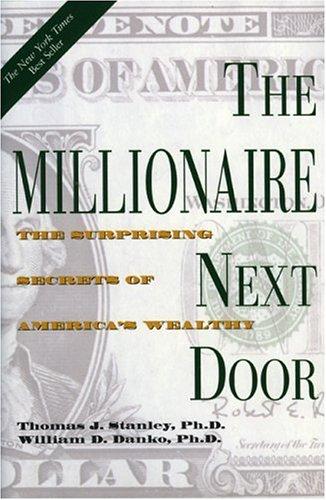
For anyone who confuses high income with wealth, or who feels behind because their lifestyle doesn't look like the we…
Buy on Amazon →
Anyone who earns enough to make discretionary spending choices but suspects their spending is not generating proporti…
Buy on Amazon →
Households in active consumer-debt distress who need a non-negotiable shared script. Not for investors already past B…
Buy on Amazon →About Jim Miller
Read more from Jim Miller and explore the full bibliography on ClearValue Books.
View Jim Miller's page →Get an email if our take on The Savvy Senior changes.
We re-review our picks. We'll email you if The Savvy Senior's ranking or review changes — no checking back.
