

How Much Is Enough?: Money and the Good Life

Curated by Brian Kim, CPA — every pick gets a plain-English summary and the key takeaways.
Brian Kim, CPA · 2.89M YouTube Subscribers →What this book actually teaches
- 01Hedonic adaptation means income and lifestyle upgrades produce only temporary happiness gains — chasing a higher number without examining your actual needs is a structural planning error.
- 02Abey argues for a values-first approach: clarify what kind of life you want before running the savings numbers, not after.
- 03The income-happiness research cited in the book has since been updated (Killingsworth 2021); the directional argument holds but some specific thresholds are now debated.
- 04Financial independence planning should start with a lifestyle cost audit and a minimum sufficiency number, not an arbitrary wealth target.
- 05This is a reframe book, not a strategy book — it will not tell you where to invest, but it may help you question why you are investing toward a number you never chose consciously.
What's in this book
Arun Abey's book tackles one of the questions that most personal finance texts dodge: how do you define financial sufficiency when money is not the actual end goal? The central argument is that most people on the wealth accumulation treadmill never ask whether what they are accumulating will actually make them happy — and that happiness research, combined with practical financial planning, can help them answer that question before they spend decades over-working toward a number that does not correlate with well-being.
Abey draws on behavioral economics, positive psychology, and financial planning research to build his case. He references work on hedonic adaptation — the well-documented tendency for people to adjust quickly to new income levels, returning to baseline happiness after raises, windfalls, or lifestyle upgrades. The implication is that chasing a higher number without examining what you actually need is a structural error, not just a personal one. He pairs this with concrete frameworks for identifying personal values, lifestyle costs, and the minimum financial independence number that would actually support the life someone wants.
The book's most useful contribution is pushing readers toward a values-first financial planning approach. Rather than starting with a retirement savings calculator, Abey starts with questions about how readers want to spend their time, what they need to feel secure, and what the evidence says about the relationship between income levels and reported life satisfaction. The financial mechanics — savings rates, investment basics, insurance — follow from that values audit rather than leading it.
This is best suited for high-income earners who feel financially successful but dissatisfied, or for anyone in their 30s and 40s who is grinding toward a financial goal without having examined whether reaching it would change much about their daily experience.
The weaknesses are that the book can feel more like a self-help text than a finance text — readers looking for investment strategy will find it absent. The values-clarification exercises, while sound, are familiar territory for anyone who has read positive psychology literature. And the specific financial data Abey cites on income-happiness thresholds has since been updated by follow-on research (notably Killingsworth's 2021 work) that complicates the earlier findings. The book's conclusions remain directionally correct even if some of the underlying research has evolved.
For readers who have not yet confronted the 'how much is enough' question seriously, this book asks it in a structured and evidence-based way.
Read next

People within five to ten years of retirement who have addressed the financial planning and are beginning to think se…
Buy on Amazon →
For adults 45 and older who feel behind on retirement savings and want a realistic framework for what to do — not a p…
Buy on Amazon →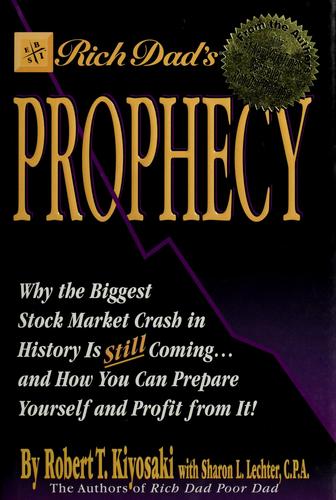
Existing Rich Dad readers curious about the macro and retirement-policy critique. Not for new readers — start with th…
Buy on Amazon →
Professionals in their 30s through 50s doing long-range financial planning, particularly those in careers facing tech…
Buy on Amazon →About Robert Skidelsky
Read more from Robert Skidelsky and explore the full bibliography on ClearValue Books.
View Robert Skidelsky's page →Get an email if our take on How Much Is Enough?: Money and the Good Life changes.
We re-review our picks. We'll email you if How Much Is Enough?: Money and the Good Life's ranking or review changes — no checking back.
Across the site
Featured in lists

Ready to read How Much Is Enough?: Money and the Good Life?
Buy the edition we recommend on Amazon.
Buy on Amazon →