

Entrepreneurship strategy

Curated by Brian Kim, CPA — every pick gets a plain-English summary and the key takeaways.
Brian Kim, CPA · 2.89M YouTube Subscribers →What this book actually teaches
- 01Entrepreneurship is treated as an ongoing strategic discipline across a full venture lifecycle, not a single launch event — the book covers opportunity recognition, business model design, growth management, and reinvention as distinct stages requiring different analytical tools.
- 02The opportunity recognition chapters draw on Sarasvathy's effectuation research — distinguishing means-based (work from what you have) versus goal-based (work backward from a target) entrepreneurial logic — giving students a vocabulary for understanding how experienced entrepreneurs generate opportunities differently than novices.
- 03The resource strategy chapters on bootstrapping, bricolage, and strategic alliances are the most practically relevant for early-stage founders who need frameworks for building competitive position with constrained capital.
- 04The reinvention section — covering pivots, market expansion, and recovery — is less common in entrepreneurship textbooks and reflects the authors' view that successful ventures must continuously re-earn their strategic position rather than defend a fixed competitive stance.
- 05The 2007 publication date predates lean startup methodology, customer development frameworks, and digital-native business model patterns that have substantially changed how opportunity validation and business model design work in practice today.
What's in this book
Entrepreneurship Strategy: Changing Patterns in New Venture Creation, Growth, and Reinvention by Lisa K. Gundry and Jill R. Kickul, published in 2007 by SAGE, is a business school textbook organized around the full arc of venture development — from opportunity recognition through growth management and reinvention. Gundry, a management professor with a research focus on entrepreneurial cognition and women entrepreneurs, and Kickul, whose work centers on entrepreneurial intention and social enterprise, designed the book to bridge academic entrepreneurship research with applied decision frameworks. The core argument is that entrepreneurship is not a single act of starting a company but an ongoing strategic discipline that requires different analytical tools and organizational capabilities at each stage of venture development.
The book's structure follows the venture lifecycle in sequence. The early chapters cover opportunity recognition and evaluation — how entrepreneurs identify gaps in markets, assess the commercial viability of those gaps, and develop the cognitive frameworks needed to distinguish genuine opportunities from ideas that have personal appeal but limited market potential. Gundry and Kickul draw on effectuation research (Sarasvathy's means-based versus goal-based logic distinction gets coverage here) and opportunity-alert cognition to give students a vocabulary for understanding why some entrepreneurs reliably generate opportunities while others struggle to see them.
The business model and strategy chapters address how ventures translate opportunity recognition into sustainable competitive position. The authors cover value proposition design, revenue model selection, and the resource acquisition strategies that early-stage ventures use when they cannot compete on capital or brand. The coverage of bootstrapping, resource bricolage, and strategic alliance formation is practical and research-grounded — these chapters are the most directly applicable to early-stage founders who are working with constrained resources and need frameworks for doing more with less.
The growth chapters shift the analytical focus to the organizational challenges that emerge when a venture succeeds: managing the transition from founder-led operations to professional management, building systems and processes without killing the entrepreneurial culture that produced success, and making the financing decisions (venture capital, debt, organic reinvestment) that shape the company's trajectory and governance. The reinvention section — covering business model pivots, market expansion, and recovery from stall — is less common in entrepreneurship textbooks and reflects the authors' view that entrepreneurship is an iterative, ongoing process rather than a one-time launch event.
Each chapter integrates case studies of real ventures across industries, discussion questions, and experiential exercises designed for classroom use. The pedagogical apparatus is more prominent than in practitioner-authored entrepreneurship books, which makes the text more useful as a structured curriculum than as independent reading for working founders.
This is for entrepreneurship students, MBA candidates, and early-stage founders who want a systematic, research-grounded framework for thinking through each stage of venture development — particularly those who benefit from structured analytical tools rather than narrative-only case studies.
The weaknesses are the textbook format and the 2007 publication date. The pedagogical apparatus (end-of-chapter questions, exercises, instructor-oriented framing) can feel like friction for practitioners reading outside a classroom context. The 2007 vintage predates the lean startup methodology's wide adoption, the platform economy, and the explosion of digital-native business models that have substantially changed how opportunity recognition, customer validation, and business model design actually work for most new ventures today. The coverage of digital and platform business models is thin by current standards.
For entrepreneurship courses and structured self-study, Entrepreneurship Strategy is a methodical, research-backed framework for understanding how venture strategy changes across the full lifecycle — with the caveat that it predates the methodological advances that lean startup, customer development, and agile product development have introduced to the field.
Read next
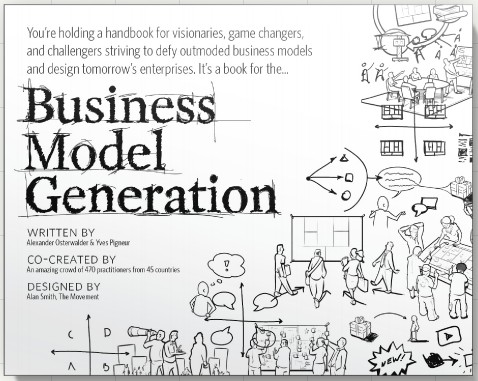
For entrepreneurs designing new ventures, corporate innovation teams working on business model transformation, MBA st…
Buy on Amazon →
Engineers, scientists, and researchers considering or early in the process of commercializing a technical innovation…
Buy on Amazon →
Small business owners — particularly those with five or more years of meaningful profitability — who want a CPA-ancho…
Buy on Amazon →
Tax professionals, policy analysts, and informed citizens who want to understand the structural case for replacing th…
Buy on Amazon →About Lisa K Gundry
Read more from Lisa K Gundry and explore the full bibliography on ClearValue Books.
View Lisa K Gundry's page →Get an email if our take on Entrepreneurship strategy changes.
We re-review our picks. We'll email you if Entrepreneurship strategy's ranking or review changes — no checking back.
Across the site
Featured in lists

Ready to read Entrepreneurship strategy?
Buy the edition we recommend on Amazon.
Buy on Amazon →