

Perfect phrases for business proposals and business plans

Curated by Brian Kim, CPA — every pick gets a plain-English summary and the key takeaways.
Brian Kim, CPA · 2.89M YouTube Subscribers →What this book actually teaches
- 01The book is organized around context-sensitive phrase variants, not generic templates — Debelak provides different language for cost-focused buyers, risk-averse buyers, new versus established relationships, and fixed versus open-ended scope, which prevents the most common proposal-writing error of applying a one-size-fits-all framework.
- 02The executive summary is treated as the document's make-or-break section: investors and lenders decide to read or discard based on the first two pages alone, and Debelak provides the most extended guidance in the book on compressing market size, solution, traction, team, and ask into a section that stands independently.
- 03The proposals half ages better than the business plan half — corporate procurement language changes slowly, while the startup fundraising conventions Debelak describes in the plan section have been substantially displaced by investor deck culture and compressed pitch formats that postdate the 2006 publication.
- 04The financial projection section provides language for explaining assumptions behind revenue forecasts and framing risk factors honestly — two areas where inexperienced writers typically over-promise or under-explain, and where credibility with lenders and SBA reviewers depends on transparent hedging.
- 05The phrase library is a vocabulary starter, not a finished product — Debelak designs the book for customization, and the guidance on adapting phrases to different industries and proposal sizes is what extends its utility beyond the specific examples provided.
What's in this book
Perfect Phrases for Business Proposals and Business Plans by Don Debelak, published in 2006 by McGraw-Hill as part of its Perfect Phrases reference series, is a practical phrase-and-template toolkit for entrepreneurs, small business owners, and business development professionals who need to write persuasive proposals and plans but are not trained writers. The book's thesis is straightforward: most business proposals and plans fail not because the underlying business idea is weak but because the writer cannot translate the idea into the language that investors, lenders, and corporate buyers expect to see. Debelak provides the specific language frameworks to close that gap.
The book is organized into two distinct halves. The first covers business proposals — the documents used to win contracts, secure partnerships, and close vendor or supplier relationships with corporate buyers. Debelak breaks the proposal into its component sections (executive summary, problem statement, proposed solution, qualifications, pricing, and call to action) and provides multiple ready-to-use phrase variants for each section. The variants are organized by context: what to write when the buyer is cost-focused, when the buyer is risk-averse, when the relationship is new versus established, and when the scope of work is fixed versus open-ended. This context-sensitive organization is the most useful structural choice in the book — it prevents the reader from applying a generic template to a situation that requires a different register.
The second half covers business plans — the documents used to raise capital from investors and lenders, or to satisfy internal planning and approval processes. Debelak covers the standard business plan sections (company overview, market analysis, competitive landscape, management team, financial projections, and funding request) and again provides phrase-level building blocks rather than full templates. The financial projection section is notably practical: Debelak provides language for explaining assumptions behind revenue forecasts and for framing risk factors honestly — two areas where inexperienced business plan writers typically either over-promise or under-explain.
The book's most durable contribution is its treatment of the executive summary as the document's make-or-break section. Debelak argues that investors and lenders make their initial read-or-discard decision on the executive summary alone and provides extended guidance on compressing the plan's core argument — market size, solution, traction, team, and ask — into two pages that can stand independently of the full document.
The approach throughout is deliberately modular. Readers are not expected to use any phrase verbatim; the phrases are starting points that get customized to the specific business, buyer, or investor. Debelak includes guidance on how to adapt phrases to different industries and different proposal sizes, which extends the shelf life of the toolkit beyond the specific examples provided.
The weaknesses are depth and vintage. The phrase library is broad but the explanatory context for why certain phrases work in certain situations is thin — readers who want to understand the persuasion logic behind the language recommendations will need supplementary reading. The 2006 publication date means the book predates the shift toward digital-first pitching, investor deck culture, and the compressed attention window that now characterizes early-stage fundraising; the business plan section in particular reflects conventions that have evolved significantly in venture and growth-equity markets since publication. The proposals section ages better because corporate procurement language changes more slowly than startup fundraising norms.
For first-time business plan writers and small business owners preparing to approach a bank or the SBA for financing, Perfect Phrases for Business Proposals and Business Plans provides a practical vocabulary starter that reduces the blank-page problem and improves the professional quality of initial drafts. Experienced entrepreneurs preparing for institutional investors or growth-equity rounds will find the fundraising sections dated and should supplement with more current guidance.
Read next
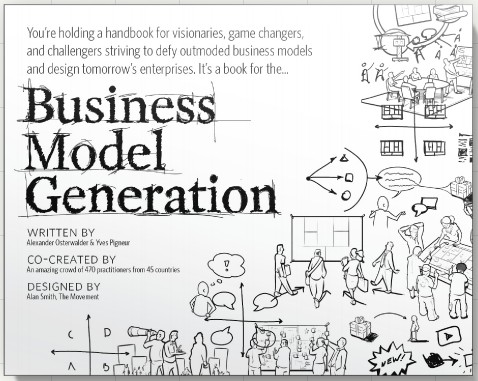
For entrepreneurs designing new ventures, corporate innovation teams working on business model transformation, MBA st…
Buy on Amazon →
Engineers, scientists, and researchers considering or early in the process of commercializing a technical innovation…
Buy on Amazon →
Small business owners — particularly those with five or more years of meaningful profitability — who want a CPA-ancho…
Buy on Amazon →
Tax professionals, policy analysts, and informed citizens who want to understand the structural case for replacing th…
Buy on Amazon →About Don Debelak
Read more from Don Debelak and explore the full bibliography on ClearValue Books.
View Don Debelak's page →Get an email if our take on Perfect phrases for business proposals and business plans changes.
We re-review our picks. We'll email you if Perfect phrases for business proposals and business plans's ranking or review changes — no checking back.
Across the site
Featured in lists
Recommended in answers

Ready to read Perfect phrases for business proposals and business plans?
Buy the edition we recommend on Amazon.
Buy on Amazon →