
What to Read After Rich Dad Poor Dad.
The book that shifts the mindset. These books provide the mechanics.
Books in this guide.


Rich Dad Poor Dad by Robert Kiyosaki has sold upward of 44 million copies (Publishers Weekly, 2022) and introduced more people to the concept of financial independence than any other book published in the last three decades. Its core insight — that wealthy people buy assets while poor and middle-class people buy liabilities — is simple enough to be remembered and powerful enough to reshape how readers think about their spending.
What the book doesn't provide is a specific, implementable system. It changes the mental model but leaves readers asking: now what? The books below answer that question.
The most common gap Rich Dad Poor Dad leaves
Rich Dad Poor Dad is long on mindset and short on mechanics. Readers finish it understanding that they should acquire income-producing assets, but unclear on:
- Which assets to acquire - How to finance them - What to do with existing consumer debt - How to build the income required to invest - What tax strategies are available
The books below address each of these gaps.
For the debt question
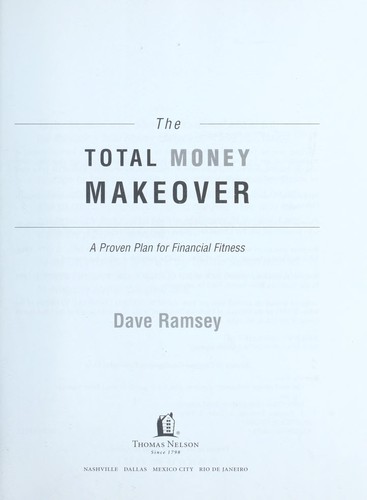
Rich Dad Poor Dad's definition of "liabilities" includes most consumer debt, and it implicitly argues that debt elimination should precede investment. The Total Money Makeover by Dave Ramsey provides the explicit system for that elimination — the debt snowball, the emergency fund, the step-by-step Baby Steps framework. Ramsey's system is more conservative than Kiyosaki's (Ramsey is skeptical of leverage; Kiyosaki embraces it) but it addresses the most immediate practical question for most readers of Rich Dad Poor Dad.
For the investment mechanics
The Simple Path to Wealth by JL Collins provides the most direct operational answer to what assets to actually buy. Collins's argument for index funds is the counterpoint to Kiyosaki's emphasis on real estate and business ownership — both can work, but index funds require less capital, less expertise, and less ongoing management. Reading Collins after Kiyosaki gives a reader both the asset-focused mindset and the most accessible path to acquiring assets.
For the business owner aspiration
Rich Dad Poor Dad emphasizes building businesses and the tax advantages of business ownership. The Business Owner's Guide to Financial Freedom by Mark Kohler and Mat Sorensen covers the practical mechanics of business ownership that Kiyosaki describes in concept: entity structure, retirement accounts, tax strategy, and the path from business owner to investor.
For the wealth mindset extension
Rich Dad Poor Dad occupies the same conceptual space as Think and Grow Rich — both argue that mindset and goal clarity precede financial result. Think and Grow Rich is the earlier, more detailed treatment of this argument, and it rewards reading after Rich Dad Poor Dad as a historical counterpart.
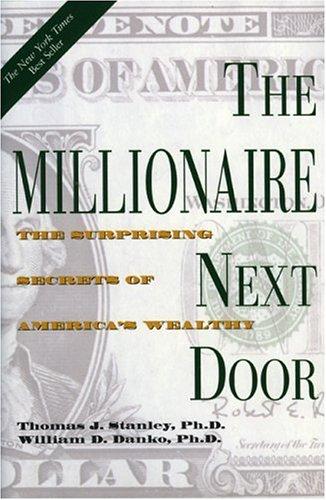
The Millionaire Next Door is a useful corrective to both books. Its empirical data on how wealth is actually built in the United States is more modest and more concrete than Kiyosaki's or Hill's frameworks — most wealthy Americans built their wealth through sustained saving and investment in conventional assets, not through the leveraged real estate and business ownership that Rich Dad Poor Dad emphasizes.
A note on reading Rich Dad Poor Dad critically
Rich Dad Poor Dad has attracted criticism for factual inaccuracies and for the gap between its advice and Kiyosaki's actual financial history. Reading it as a framework for thinking about assets and income rather than as a literal how-to guide is the right approach. The books above provide the factual and mechanical grounding that Rich Dad Poor Dad leaves out.
Common questions.
Is Rich Dad Poor Dad worth reading for someone who's already financially literate?
Its value is primarily as a mindset reframe rather than tactical education. Financially literate readers often find the mechanics thin but the asset/liability distinction framework useful as a teaching tool for others.
Does the rest of the Rich Dad series add value?
Rich Dad's Prophecy and the other titles in the series repeat the core framework with different examples. For most readers, the original book covers the essential ideas. The books above — from outside the series — provide more durable value.
What's the best follow-up for someone specifically interested in real estate after Rich Dad Poor Dad?
Rich Dad Poor Dad emphasizes real estate strongly, but the series doesn't provide specific acquisition mechanics. The Building a Real Estate Investing Bookshelf resource covers the titles that address that gap in detail.