
The Books to Read After You've Read Your First Three Personal Finance Books.
Where the genre actually goes once you're past the beginner shelf
Books in this guide.






If you've read The Psychology of Money, The Simple Path to Wealth, and The Total Money Makeover, you've completed the standard beginner shelf. The basics — spend less than you earn, avoid bad debt, index funds beat stock-picking for most people, behavior matters more than intelligence — are now installed.
The problem with most "next book" recommendations is that they're the same books rearranged. You can read I Will Teach You to Be Rich and The Index Card and discover you already know the material. That's a sign of progress, not a failure of the books.
Here's where to go after the beginner shelf, organized by what you're actually trying to solve.
If you want to understand investing as a discipline
Start with The Elements of Investing by Malkiel and Ellis. It's short, written by two giants of the index-fund argument, and treats you like an adult. Roughly a weekend read.
Then The Intelligent Investor — yes, even if you intend to index forever. Graham's frameworks (Mr. Market, margin of safety, the distinction between investing and speculating) are vocabulary every serious reader of finance eventually needs. Skip the dated stock-specific chapters; read the Zweig commentary.
Then One Up on Wall Street if you're curious about active investing. Peter Lynch is honest about what works and what doesn't, and the book inoculates you against the worst stock-picking instincts even if you never buy an individual stock.
For the survey of behavioral pitfalls underneath all of this, Why Smart People Make Big Money Mistakes is the cleanest single-volume tour.
If you want to understand markets and bubbles
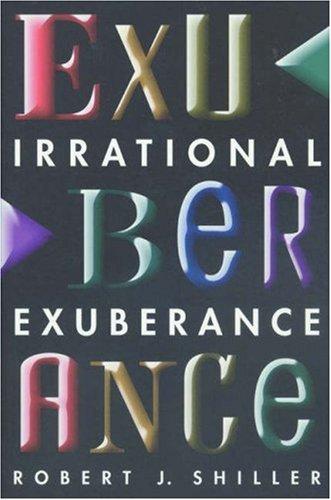
Irrational Exuberance by Robert Shiller. Written before the 2000 dot-com crash and re-released before 2008, it's a serious empirical look at why markets get detached from fundamentals. Dense in places, but the framework outlasts any specific bubble.
Margin of Safety by Seth Klasrman is the harder follow-up — out of print, expensive used, but the value-investing canon's most disciplined modern text. Borrow it if you can; it earns the effort.
If you want to understand the people who actually got rich
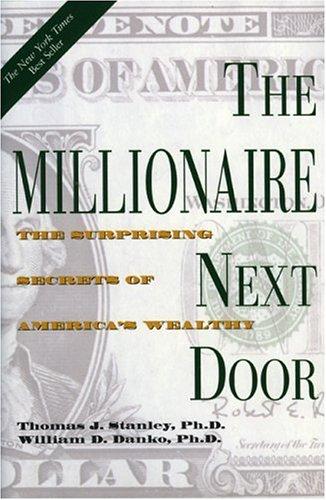
The Millionaire Next Door, then The Next Millionaire Next Door. The original is dated in surface details (1990s prices, references that have aged) but the data is timeless: most American millionaires drive used Toyotas, run unsexy businesses, and live in middle-class neighborhoods. The sequel confirms the pattern with updated data and adds nuance about how the formula has shifted with student debt, urbanization, and remote work.
These books are vaccinations against the mistake of mimicking high-income spending behavior instead of high-net-worth saving behavior.
If you want a different relationship with money entirely
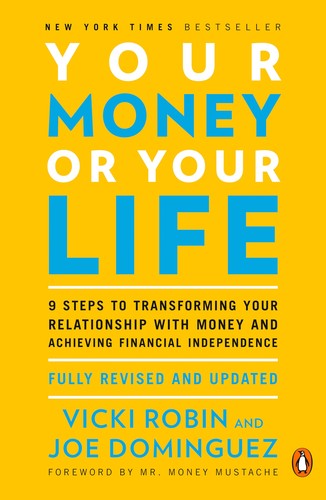
Your Money or Your Life. Not a tactical book. A philosophical one — the central reframe is that money is life energy you've already spent, and every purchase is denominated in hours of your life. Once that frame installs, you can't uninstall it.
This pairs especially well with the FIRE-adjacent texts and with anyone questioning whether the standard 40-year career arc is the right tradeoff for them.
If you want to understand housing
The Automatic Millionaire Homeowner by David Bach. The book is dated in mortgage-rate specifics, but the core argument (forced savings via amortization plus geographic stability plus the leverage math of a primary residence) is still the cleanest single-volume case for ownership. Read it with a calculator, not just a highlighter — the math has changed but the logic hasn't.
If you want to understand crypto without the hype
Digital Gold by Nathaniel Popper. It's journalism, not advocacy. You'll come out understanding where Bitcoin came from, who built the early ecosystem, and why the people involved cared. Then form your own view. This is the right first crypto book precisely because it's not trying to sell you anything.
What to skip
The genre is full of repackaging. If a book promises a "system" and is heavily branded around the author, check whether the underlying ideas exist in the books above. Most do. The books in this resource span 75 years of personal finance writing and roughly cover the field.
The exception worth allowing: a book with a specific framework you keep encountering secondhand. If three people you respect cite the same book, it's probably worth a read even if it sounds derivative.
The honest progression
After the beginner shelf, most readers benefit from three or four books over the next year, not twenty. The diminishing returns kick in fast. The reader who reads four books carefully and applies them outperforms the reader who reads twenty and remembers none.
Pick from the lanes above based on what's actually unsettled in your financial life right now. The right next book is almost always answering a question you're currently asking — not one you might ask someday.
Common questions.
How many books in a year is reasonable after the beginner shelf?
Three to six finance books a year, deeply. The marginal value of book ten is usually lower than the marginal value of re-reading book one. Depth beats volume past the basics.
Should I read in the order listed?
No. Pick the lane that matches the question you're currently asking. The investor on the cusp of buying a house should read The Automatic Millionaire Homeowner before The Intelligent Investor. Match the book to the moment.