
Best Books About Frugality That Don't Make You Miserable.
Spend on what you actually value — cut the rest
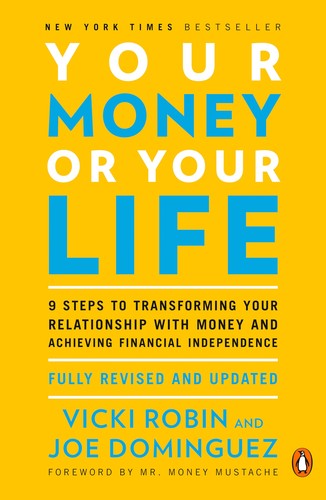
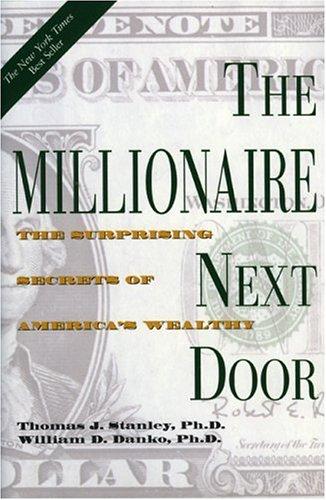
Most frugality books fail one of two ways. Either they read like a punishment manual — twenty-five ways to reuse a paper towel, cancel every subscription, never eat out — or they pivot into a how-to-be-cheap-and-call-it-virtue lecture. Neither holds up for more than a few months in the real life of a person who has to commute, raise kids, and occasionally enjoy a meal. The books that actually work treat frugality as a values-clarification exercise: spend, generously, on the few things that matter to you; cut, ruthlessly, the rest. The books below do this honestly. Your Money or Your Life is the foundational text and still the best in its category. Joe Dominguez and Vicki Robin's central move — calculate your real hourly wage after every cost of working, then evaluate each expense as hours of life — doesn't tell you what to cut. It tells you how to find out. The result is usually that people slash hard in categories they were never deriving real satisfaction from (commuting costs, work clothes, takeout because they're exhausted) and protect spending in categories that matter to them (books, travel, kids' activities). The investment chapters are dated; skip them. The framework chapters are some of the most useful writing in personal finance. The Millionaire Next Door is the empirical case. Stanley and Danko's data showed something that surprised even them: the typical American millionaire drives a used car, lives in a house worth a fraction of what they could afford, and spends less on suits and watches than their non-wealthy neighbors. They're not deprived. They're spending on what they value (financial independence, their kids' education, their businesses) and ignoring the rest. Read this as proof that the frugal path isn't the small path. The Next Millionaire Next Door updates the data into the 2010s. The pattern held through the credit crisis, the housing recovery, and the rise of luxury consumption signaling on social media. If anything, the gap between performative wealth and actual wealth widened. This is the right book to read after the original. The Psychology of Money has the most quotable chapter on this topic — the one on enough. Housel's frame, that the absence of a clear personal definition of enough leads to lifestyle creep that consumes raises and bonuses, is the single most useful idea in this whole category. Frugality without a definition of enough is just deferred consumption. With one, it's freedom. The Total Money Makeover sits here uneasily. Ramsey's spending discipline works, and his 'live like no one else now so you can live like no one else later' line captures the spirit. But the book reads more punitive than it needs to, and the rules feel like rules instead of values. Use it as the strict version. Use Your Money or Your Life as the humane one. What to do with this: read Your Money or Your Life first. Calculate your real hourly wage. Audit one month of spending against it. Decide what's worth your life-hours and what isn't. Cut the rest without guilt. Repeat at the next pay raise.
Featured on this hub


Questions about this hub
Won't being frugal hurt my quality of life?
Only if you cut the wrong things. The whole point of Your Money or Your Life and The Millionaire Next Door is that most of what people spend on doesn't actually produce lasting satisfaction. Cut those categories aggressively. Protect — even increase — spending on what genuinely matters to you. That's not deprivation. That's clarity.
Is The Total Money Makeover too strict for normal life?
For some people, yes. For people in real debt with poor spending control, the strictness is the point. If you're already moderate with money and just looking to optimize, start with Your Money or Your Life instead. They lead to similar places via very different tones.
What's the one book to start with?
Your Money or Your Life. The hourly-wage exercise alone is worth the read, and the values-first framework is the most durable approach in the catalog. Read it once, redo the exercise once a year, and almost everything else in this category becomes optional.