
Best Books for Small Business Owners Doing Their Own Taxes.
What to read when you're the founder, the bookkeeper, and the tax filer
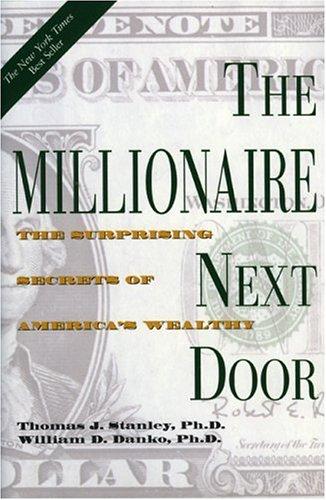
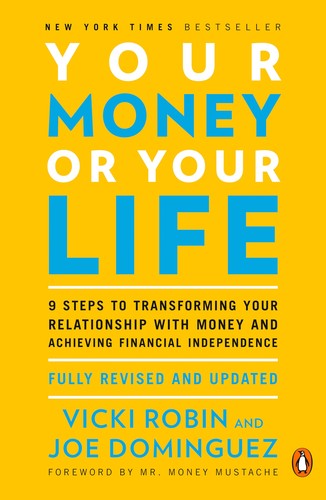
Honest answer up front: the books in this list aren't tax-prep manuals. The tax code changes every year, and no general-audience book will keep you out of trouble with Section 199A, depreciation elections, or the home office deduction safe harbor. If you're filing a Schedule C or an 1120-S yourself, you need IRS publications, a current-year tax software walkthrough, and ideally one hour with a CPA before you file. What books do is the part tax software can't: they teach you how to think about the money flowing through a small business so that the right deductions show up in your records to begin with. Start with The Millionaire Next Door. Stanley and Danko's research is full of small business owners — accountants, contractors, scrap dealers, manufacturers — and the financial habits that made them wealthy are not the habits most founders default to. The chapters on commingled finances, on paying yourself a salary instead of draws-as-needed, and on tracking household expenses separately from business expenses are the cheapest tax advice you'll ever get. A clean books-from-day-one founder pays a CPA half what a commingled-everything founder does. Rich Dad Poor Dad has real flaws — Kiyosaki's specific real estate examples don't generalize, and the "good debt" framing has gotten a generation of small business owners into trouble. But the asset-vs.-liability framework is genuinely useful when you're deciding whether a $40,000 piece of equipment is a Section 179 deduction worth taking or a cash-flow trap dressed up as a write-off. Read it for the mental model. Your Money or Your Life is the book to read when you're tempted to mix the business's cash flow with your personal lifestyle. The "life energy" framework cuts through founder rationalization — the company SUV, the home office that's actually the living room, the conference in Maui. The IRS has rules for all of these. The book makes you ask whether you wanted the deduction or you wanted the thing and used the deduction as justification. The Total Money Makeover earns a slot for the founders who are simultaneously running a profitable business and personally drowning in consumer debt. Ramsey's investing advice is bad; his debt-discipline framework is good, and a startlingly large number of small business owners run the company well while running their personal balance sheet badly. The two sets of books talk to each other at tax time, and the personal mess can trigger IRS attention on the business. The Psychology of Money is the cheapest insurance against the worst founder tax mistake: pulling money out of the business at the wrong moment because of fear, ego, or comparison. The chapters on "reasonable vs. rational" apply to estimated quarterly payments more than they apply to anything else in the book.


Questions about this hub
Will any of these books explain how to file a Schedule C?
No. None of them are tax-prep manuals. For Schedule C mechanics, use the current-year IRS instructions for Schedule C plus a tax software walkthrough. The books on this list teach the financial habits that make doing your own taxes possible — clean separation of business and personal money, accurate categorization, and a healthy relationship with quarterly estimated payments.
I have an S-corp. Are these books still relevant?
Yes, with one caveat. The Millionaire Next Door and Your Money or Your Life are S-corp-relevant because the salary-vs.-distribution decision is fundamentally a personal financial decision dressed up as a tax decision. Skip Rich Dad Poor Dad's specific entity advice — it's oversimplified to the point of being misleading.
Should I read these before or after I have a CPA?
Before, if you can. A founder who's read The Millionaire Next Door and Your Money or Your Life shows up to the first CPA meeting with clean records and the right questions. A founder who hasn't shows up with a shoebox.