
The Best Personal Finance Books for Debt Payoff (2026).
The books that helped real people get out of debt — and stay out
Debt is not a math problem. If it were, everyone who knew about compound interest would already be debt-free. It's a behavior problem — and the best debt books understand that. They don't just tell you which loan to pay first. They deal with the psychology of how you got there, the habits that keep you there, and the systems that get you out. The five books below cover the full spectrum: emergency triage for someone drowning in bills, step-by-step snowball methods, student loan strategies, and the deeper mindset work that keeps debt from coming back. They're ordered from most actionable to most foundational.
We selected books with a concrete, executable methodology — not just motivation. Each book has helped documented cases of people eliminating consumer debt, credit card balances, or student loans. We excluded books that focus primarily on bankruptcy or credit repair (different problem, different shelf).
The list, in order
- №1◈ Best overall debt payoff plan
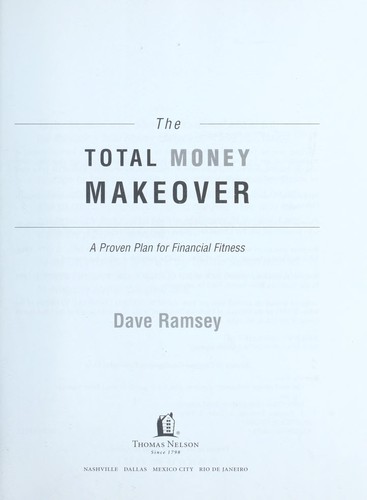
The Total Money Makeover
by Dave Ramsey
◈CanonThe most-cited debt payoff book in existence. Ramsey's debt snowball — paying minimums on everything and attacking the smallest balance first — is psychologically engineered to build momentum. Baby Steps 1–3 are the debt triage protocol. Read this first.
- №2◈ Best cash-flow system for debt payoff
Debt-free forever
by Gail Vaz Oxlade
Gail Vaz-Oxlade's no-nonsense Canadian voice cuts through excuses and gives you a cash-flow management system that actually works. The jar method for variable spending is one of the most practical implementations of zero-based budgeting available. Works for any debt load.
- №3◈ Best for student loan debt specifically
Debt-Free U
by Zac Bissonnette
Zac Bissonnette's book is specifically for student loan debt — and it's honest in a way that most college-cost books aren't. If student loans are your primary debt, this is the most targeted tool on the list.
- №4◈ Best for staying debt-free long-term
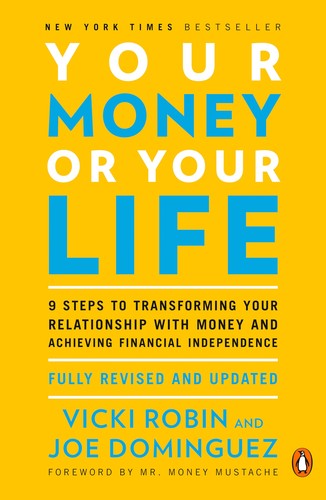
Your Money or Your Life: 9 Steps to Transforming Your Relationship with Money and Achieving Financial Independence
by Vicki Robin · 1992
◈CanonRobin and Dominguez don't focus on debt per se, but this book treats overspending at its root: the mismatch between what you earn, what you spend, and what actually makes you happy. Read this after you have a debt payoff plan in place — it's what keeps the debt from coming back.
- №5◈ Best for credit card debt specifically
The Debt Escape Plan
by Beverly Harzog
Beverly Harzog's practical guide covers credit card debt specifically — rate negotiation, balance transfer strategy, and how to sequence payoff when you have multiple cards at different rates. A strong complement to Total Money Makeover for anyone with credit card balances.



Get notified when our book picks change.
Set it once. We'll email you when a pick worth knowing about changes — no checking back.
Questions about this list
Debt snowball or debt avalanche — which method actually works?
Both eliminate debt if you stick with them. Research (including from the Harvard Business Review) shows the snowball method — smallest balance first — produces better completion rates because of the psychological win from eliminating accounts. The avalanche saves slightly more in interest but has higher dropout rates. Pick the one you'll actually finish.
Should I save anything while paying off debt?
Ramsey recommends a $1,000 starter emergency fund before attacking debt, then pausing retirement contributions (except employer match) until debt is cleared. Other financial planners argue for keeping retirement contributions going while paying down non-high-interest debt. The right answer depends on your interest rates and employer match. Both strategies beat making no progress.
How long does debt payoff realistically take?
It depends entirely on the gap between your income and minimum payments. Most people who follow the Total Money Makeover timeline clear consumer debt in 18–36 months. Student loan timelines vary widely based on balance. Any book on this list will help you calculate your personal timeline in the first few chapters.