

The Debt Escape Plan

Curated by Brian Kim, CPA — every pick gets a plain-English summary and the key takeaways.
Brian Kim, CPA · 2.89M YouTube Subscribers →What this book actually teaches
- 01The debt personality framework — identifying whether you're an emotional spender, procrastinator, impulsive spender, or minimalist payer — shapes which elimination strategy is most likely to work, since behavioral patterns that created the debt don't disappear when a payoff plan starts.
- 02Avalanche (highest interest rate first) minimizes total interest paid; snowball (lowest balance first) produces faster psychological wins — Harzog recommends choosing based on your debt personality rather than a universal prescription.
- 03Balance transfer offers require careful mechanics: transfer fees, promotional period end dates, and the trap of continuing to use the original card after transferring are the three most common failure modes Harzog identifies.
- 04Calling card issuers to request interest rate reductions works more often than most cardholders expect — the book provides specific language and timing guidance for having the conversation effectively.
- 05The behavioral layer is the book's distinguishing feature: the guidance on what to do financially is standard; the guidance on managing the emotional and psychological patterns that drive debt accumulation is where it adds something most debt books skip.
What's in this book
The Debt Escape Plan by Beverly Blair Harzog, published in 2015, is a credit card debt elimination guide written by a personal finance journalist who paid off roughly $26,000 in credit card debt herself. Harzog's central argument is that credit card debt is psychologically complex in ways that generic debt elimination advice ignores, and that a plan tailored to an individual's financial and emotional relationship with debt outperforms a universal prescription. The book's framework is built around identifying your "debt personality" — the behavioral patterns and emotional triggers that created the debt and that any elimination strategy has to account for — before choosing a payoff method.
The debt personality framework is the book's most distinctive contribution. Harzog identifies several patterns: the emotional spender who uses purchases as mood management, the procrastinator who avoids opening statements and thinking about balances, the impulsive spender who makes purchasing decisions without price sensitivity, and the minimalist payer who treats the minimum payment as a complete response rather than a holding pattern. Each pattern comes with specific behavioral recommendations, not just financial ones — the emotional spender needs alternative stress management practices alongside a debt plan; the procrastinator needs automated minimum payments and a scheduled weekly date with their financial statements to reduce avoidance. This behavioral layer distinguishes the book from standard debt elimination guides.
On the mechanical side, Harzog covers the two major debt payoff methods — avalanche (highest interest rate first) and snowball (lowest balance first) — without declaring either universally superior. She explains the math clearly: the avalanche method minimizes total interest paid, the snowball method produces faster psychological wins. Her recommendation is that readers choose based on their debt personality, not a universal prescription — procrastinators and emotional spenders may need the early wins the snowball provides to maintain momentum, while analytically oriented readers who can sustain motivation without quick victories should use the avalanche. This is a more nuanced treatment than most debt books offer.
The balance transfer chapter is particularly practical. Harzog explains the mechanics of 0% APR balance transfer offers — the transfer fees, the promotional period, what happens when the period ends, how to evaluate whether the fee is worth the interest savings — and the common mistakes people make (continuing to use the original card after transferring, missing the window to pay off before the promotional rate expires, applying with a credit score too damaged to qualify for competitive offers). The guidance on rebuilding credit while eliminating debt is similarly specific: maintaining at least one card with a low balance to preserve credit history while paying down others.
Negotiation with creditors gets meaningful coverage. Harzog explains when and how to call card issuers to request interest rate reductions, the language patterns that are more likely to produce results, and when hardship programs are available and how to access them. She is realistic about the limits — creditors are not obligated to reduce rates and many will not — but the guidance on how to have the conversation effectively is more specific than most books provide.
This is for people actively carrying credit card debt who have tried general budgeting approaches without success, particularly those whose spending patterns have a behavioral or emotional component that pure financial discipline hasn't addressed.
The weaknesses are scope and the durability of specific credit card offers. The book focuses tightly on credit card debt and does not address medical debt, personal loans, or other consumer debt categories in meaningful depth. The specific balance transfer offer details and interest rate benchmarks from 2015 need updating against the current credit environment. The debt personality framework, while useful, is self-reported — readers identify their own pattern, which introduces the same avoidance tendencies the book is trying to address.
For readers who have found that knowing what to do financially hasn't been enough to actually do it, The Debt Escape Plan's behavioral layer fills a gap that strictly financial debt guides leave open.
Read next

For anyone whose financial education was "get a good job and save" — the book is most valuable for first-time readers…
Buy on Amazon →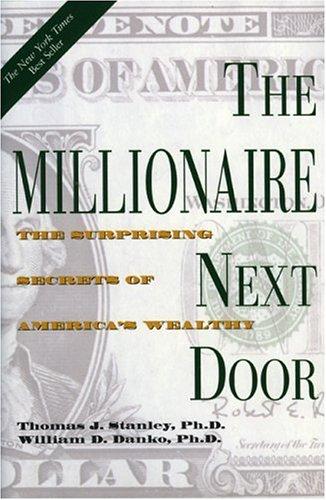
For anyone who confuses high income with wealth, or who feels behind because their lifestyle doesn't look like the we…
Buy on Amazon →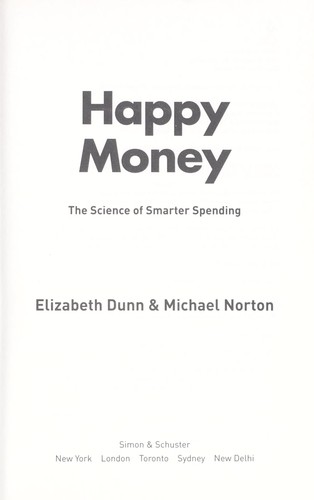
Anyone who earns enough to make discretionary spending choices but suspects their spending is not generating proporti…
Buy on Amazon →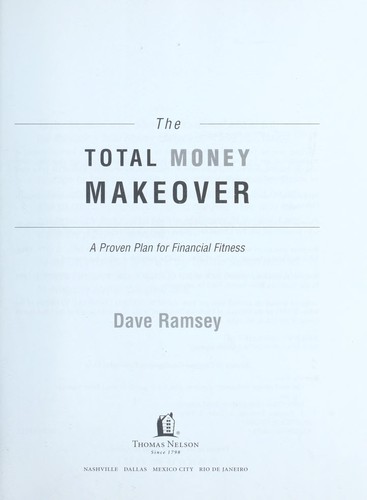
Households in active consumer-debt distress who need a non-negotiable shared script. Not for investors already past B…
Buy on Amazon →How The Debt Escape Plan stacks up
About Beverly Harzog
Read more from Beverly Harzog and explore the full bibliography on ClearValue Books.
View Beverly Harzog's page →Get an email if our take on The Debt Escape Plan changes.
We re-review our picks. We'll email you if The Debt Escape Plan's ranking or review changes — no checking back.
Across the site
Featured in lists
Compared with
Recommended in answers
On Brian's lists

Ready to read The Debt Escape Plan?
Buy the edition we recommend on Amazon.
Buy on Amazon →