

Debt-Free U

Curated by Brian Kim, CPA — every pick gets a plain-English summary and the key takeaways.
Brian Kim, CPA · 2.89M YouTube Subscribers →What this book actually teaches
- 01Graduating debt-free from a state school is financially superior in most scenarios to graduating with significant debt from a highly ranked private university, because the earnings premium for elite schools is often a selection-effect artifact.
- 02PLUS loans allow parents to borrow unlimited amounts at above-market rates to finance college — a policy design that enables borrowing decisions no private lender would approve.
- 03Families routinely treat college choice as an identity decision rather than a financial one, which is the root cause of most preventable student loan debt.
- 04Merit scholarships are systematically under-pursued because families assume they are not eligible, when in practice many are available to middle-class students at less selective schools.
- 05The US News rankings methodology measures inputs that correlate with prestige rather than outcomes that correlate with graduate success, making them a poor basis for a high-stakes financial decision.
What's in this book
Zac Bissonnette's central argument is that the student loan crisis is self-inflicted — not because students can't afford college, but because families routinely make college financing decisions based on brand prestige, campus aesthetics, and social pressure rather than financial analysis. Published in 2010 when student loan balances were accelerating rapidly, the book made the case that a student who graduates from a state school debt-free is in a stronger financial position than one who graduates from a highly ranked private university with $100,000 in loans, and that the earnings premium supposedly attached to elite schools is largely a statistical artifact of selection effects rather than genuine credential value.
The book's most useful section is its systematic dismantling of the arguments families use to justify expensive college choices. The 'investment in your future' framing comes under sustained attack: Bissonnette calculates the internal rate of return on college tuition across different school types and shows that the returns are highly variable and front-loaded, with the degree type and career path mattering far more than the institution's US News ranking. The chapter on PLUS loans — federal Parent PLUS loans that allow parents to borrow unlimited amounts at above-market rates to finance their children's college — is a useful diagnostic of a policy design that facilitates borrowing decisions no private lender would approve.
Bissonnette is also useful on the admissions-industrial complex that has grown up around college applications — the test prep industry, the college counseling industry, and the US News rankings methodology — arguing that these structures are better understood as extraction mechanisms than as guidance systems. His recommendation is to start with in-state public universities, apply for merit aid aggressively, take AP credits seriously, and treat college choice as a financial decision rather than an identity decision.
The book's practical section covers scholarships (free money that families systematically under-pursue), community college transfers, and working during college — positions that were commercially and culturally unfashionable at the time of writing and remain undervalued.
For high school students and their parents who are beginning to plan for college financing and want a financially rigorous counter-argument to the conventional college admissions guidance industry.
Weaknesses
the book was written before income-based repayment plans and Public Service Loan Forgiveness became significant factors in the student loan calculus, which means its analysis of loan repayment burden is dated. Bissonnette's tone is consistently polemical, which serves the book's goal of disrupting received wisdom but occasionally tips into oversimplification — there are students for whom certain elite programs offer genuine career advantages the book doesn't fully credit. The financial calculations are illustrative rather than rigorous, and the scholarship chapter, while directionally correct, understates the competition for merit-based aid at selective schools.
Verdict
still one of the clearest and most direct challenges to how American families make college financing decisions — most useful for families in the early stages of planning before choices narrow and sunk-cost thinking sets in.
Read next

For anyone whose financial education was "get a good job and save" — the book is most valuable for first-time readers…
Buy on Amazon →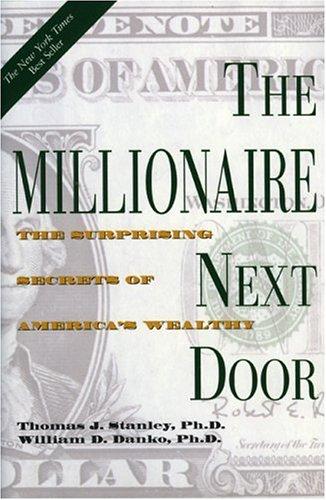
For anyone who confuses high income with wealth, or who feels behind because their lifestyle doesn't look like the we…
Buy on Amazon →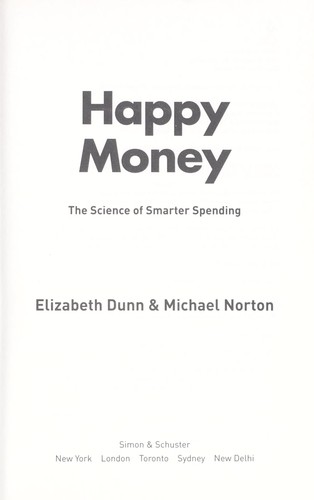
Anyone who earns enough to make discretionary spending choices but suspects their spending is not generating proporti…
Buy on Amazon →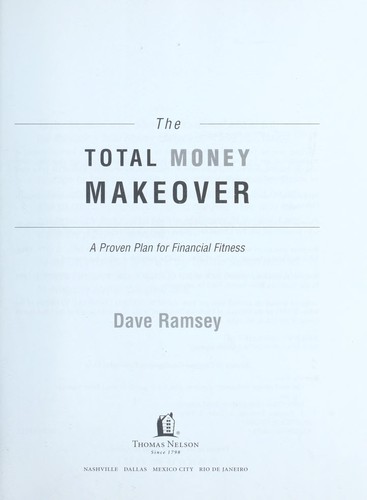
Households in active consumer-debt distress who need a non-negotiable shared script. Not for investors already past B…
Buy on Amazon →About Zac Bissonnette
Read more from Zac Bissonnette and explore the full bibliography on ClearValue Books.
View Zac Bissonnette's page →Get an email if our take on Debt-Free U changes.
We re-review our picks. We'll email you if Debt-Free U's ranking or review changes — no checking back.
