

1001 ways to pay for college

Curated by Brian Kim, CPA — every pick gets a plain-English summary and the key takeaways.
Brian Kim, CPA · 2.89M YouTube Subscribers →What this book actually teaches
- 01Sticker price is almost never net price — most families can reduce their cost by systematically working every funding lever, not just FAFSA.
- 02Small local scholarships offer far better odds than national competitions because applicant pools are tiny.
- 03AP exams, CLEP tests, and community college articulation can eliminate a semester or more of tuition — often worth more than a scholarship.
- 04Assets in 529s vs parent accounts vs student accounts are treated differently in the aid formula; the order matters.
- 05The book's breadth is its value and its weakness — use it as a reference, not a step-by-step guide, and verify all program details directly.
What's in this book
Gen and Kelly Tanabe's core argument in 1001 Ways to Pay for College is that the sticker price of college is almost never what a family actually pays, and that the gap between sticker and net price is something families can actively influence — not by gaming the FAFSA, but by systematically working every legitimate funding lever available: institutional grants, private scholarships, federal and state aid, employer benefits, tax credits, work-study, military and service programs, ROTC, community college pathways, and AP/IB/dual-enrollment credit reduction. The book's premise is that most families find a few funding sources and stop, leaving money on the table that is explicitly available to people willing to search for it.
The book works as a structured reference rather than a narrative. The Tanabes walk through the major funding categories in turn. On financial aid, they cover the FAFSA and CSS Profile in practical terms — what the formulas weight heavily, how the Expected Family Contribution is calculated, how to appeal an aid award, and the difference between need-based and merit-based institutional money. On scholarships, they make the case that small local scholarships have far better odds than national competitions because applicant pools are tiny, and they provide guidance on writing essays that work across multiple applications. On savings vehicles, they cover 529 plans, Coverdell accounts, and prepaid tuition plans, with attention to how each asset is treated in aid calculations. On cost reduction, they walk through ways to graduate in less than four years — AP exams, CLEP tests, dual enrollment, and community college articulation agreements — noting that a semester saved is worth far more than most scholarships.
This is aimed at families with a high schooler approaching college applications, or students already enrolled who need to plug funding gaps. The breadth of coverage makes it more useful as a reference to return to at each stage than as a cover-to-cover read.
The weaknesses are structural. The book is comprehensive at the cost of depth: each of the 1,001 strategies gets brief treatment, and families dealing with an unusual financial situation (self-employment income, divorce, business ownership, recent job loss) may need a professional who can model their specific FAFSA impact. The scholarship database references and specific program details are perishable — URLs change, programs end, limits adjust — so readers should use the book for the framework and verify specifics directly. And the sheer volume of options can produce decision paralysis; the book lacks a strong priority-ordering that would help a family with limited time know where to spend it first.
For families willing to treat college funding as a project rather than a form to fill out, the book delivers — particularly on the scholarship strategy and the cost-reduction approaches that most families overlook.
Read next

For anyone whose financial education was "get a good job and save" — the book is most valuable for first-time readers…
Buy on Amazon →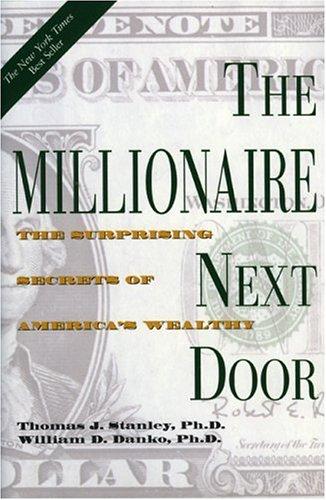
For anyone who confuses high income with wealth, or who feels behind because their lifestyle doesn't look like the we…
Buy on Amazon →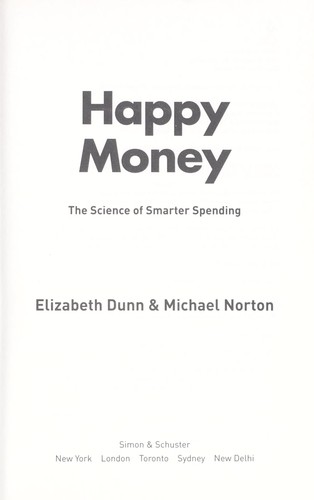
Anyone who earns enough to make discretionary spending choices but suspects their spending is not generating proporti…
Buy on Amazon →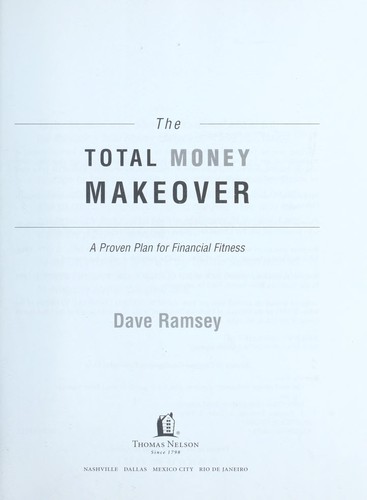
Households in active consumer-debt distress who need a non-negotiable shared script. Not for investors already past B…
Buy on Amazon →About Gen Tanabe
Read more from Gen Tanabe and explore the full bibliography on ClearValue Books.
View Gen Tanabe's page →Get an email if our take on 1001 ways to pay for college changes.
We re-review our picks. We'll email you if 1001 ways to pay for college's ranking or review changes — no checking back.

Ready to read 1001 ways to pay for college?
Buy the edition we recommend on Amazon.
Buy on Amazon →