

101 ways to save money in a recession

Curated by Brian Kim, CPA — every pick gets a plain-English summary and the key takeaways.
Brian Kim, CPA · 2.89M YouTube Subscribers →What this book actually teaches
- 01Recessionary personal finance requires a different operating system — defense and cash preservation over growth and consumption — and most standard personal-finance advice assumes a growth environment.
- 02Aggressive renegotiation of fixed costs (insurance, utilities, subscriptions) is highest-leverage during a downturn because suppliers accept margin compression to retain customers.
- 03High-interest consumer debt becomes acutely dangerous when income is uncertain; the book frames treating a credit card balance as an emergency rather than a convenience.
- 04The book is UK-specific in its tactical details — roughly a third of the 101 items reference British financial products and systems that don't transfer directly to US readers.
What's in this book
Tom Winnifrith's book is a practical personal-finance guide written specifically for a recessionary environment, aimed at UK readers navigating income pressure, rising costs, and uncertain employment. Winnifrith, a British financial commentator and entrepreneur, writes in a blunt, populist style — the book is structured as a numbered list rather than a sustained argument, and the tone is more newspaper column than academic text.
The book's premise is that most personal-finance books are written for growth environments — they assume rising incomes, accessible credit, and expanding asset prices. A recession changes the rules: the priority shifts from building wealth to preserving it, from growth to defense. Winnifrith's list of 101 tactics organizes itself around this defensive posture, covering household spending cuts, debt management, employment strategy, and the psychology of making do with less.
The practical recommendations run across several categories. On spending, Winnifrith advocates aggressive renegotiation of fixed costs — utility suppliers, insurance premiums, mortgage rates — on the premise that suppliers would rather reduce margin than lose a customer in a weak economy. On debt, the advice is straightforward: prioritize high-interest consumer debt, treat credit card balances as an emergency rather than a convenience, and avoid new borrowing unless essential. On employment, the book touches on side income, skills development, and the risk of anchoring too heavily to a single employer when layoffs are common.
The book is honest about what a recession demands: the habits that let people spend slightly more than they earn in good times become genuinely dangerous when income is uncertain. Winnifrith doesn't treat recession as a temporary inconvenience to be waited out but as a period requiring a different operating system — one oriented around cash preservation and optionality rather than consumption and leverage.
For UK readers facing economic downturns who want concrete, immediately actionable steps for cutting costs and stabilizing household finances.
Weaknesses
many of the specific tactics are UK-centric — references to specific energy suppliers, council tax, and British consumer-credit products date the book and limit its transferability to other markets. The numbered-list format also means depth is sacrificed for breadth: each item gets a page or less, so readers looking for detailed frameworks on debt restructuring or investment allocation during a downturn will need additional resources. The book doesn't cover investing in recession — it's purely a defensive spending and income guide. And the populist, punchy tone, while accessible, occasionally tips into oversimplification.
Verdict
a useful rapid-read for someone in financial stress who needs a checklist of defensive moves — best treated as a starting list for further research rather than a comprehensive recession playbook. US readers should expect to adapt roughly a third of the tactics to their own market context.
Read next

For anyone whose financial education was "get a good job and save" — the book is most valuable for first-time readers…
Buy on Amazon →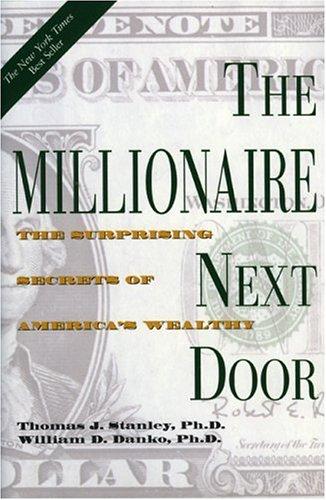
For anyone who confuses high income with wealth, or who feels behind because their lifestyle doesn't look like the we…
Buy on Amazon →
Anyone who earns enough to make discretionary spending choices but suspects their spending is not generating proporti…
Buy on Amazon →
Households in active consumer-debt distress who need a non-negotiable shared script. Not for investors already past B…
Buy on Amazon →About Tom Winnifrith
Read more from Tom Winnifrith and explore the full bibliography on ClearValue Books.
View Tom Winnifrith's page →Get an email if our take on 101 ways to save money in a recession changes.
We re-review our picks. We'll email you if 101 ways to save money in a recession's ranking or review changes — no checking back.

Ready to read 101 ways to save money in a recession?
Buy the edition we recommend on Amazon.
Buy on Amazon →