

Bad paper

Curated by Brian Kim, CPA — every pick gets a plain-English summary and the key takeaways.
Brian Kim, CPA · 2.89M YouTube Subscribers →What this book actually teaches
- 01Charged-off debt portfolios are sold and resold in a secondary market where documentation degrades with each transaction — collectors often lack legal standing but collect anyway.
- 02Re-aging a debt by getting a consumer to acknowledge it or make a partial payment can restart the statute-of-limitations clock on legally expired obligations.
- 03The FDCPA is supposed to constrain collection abuse, but enforcement is limited against smaller operators working in the secondary and tertiary market.
- 04The Goldman-banker-meets-ex-convict structure is not just narrative color — it maps the capital layer (debt buyers) against the operational layer (collectors) in a way policy accounts miss.
- 05The book explains the industry's mechanics but does not double as a consumer-defense guide — pair it with CFPB resources for actionable steps.
What's in this book
Jake Halpern's Bad Paper is a reported narrative from inside the debt-collection industry — specifically the shadow market of charged-off consumer debt that gets bundled, sold, and resold for fractions of a penny on the dollar. Halpern spent years embedding with debt buyers and collectors in Buffalo, New York, tracing how delinquent credit-card balances, medical bills, and payday loans travel from original creditors through a chain of buyers and collectors, each taking their cut while the documentation degrades.
The book follows two main characters: Aaron Siegel, a former Goldman Sachs banker turned small-time debt buyer, and his unlikely partner Brandon Wilson, an ex-convict who runs a collection operation. That pairing is the engine of the narrative. Siegel has the capital and the spreadsheets; Wilson has the street-level understanding of how to actually collect from people who owe money and don't want to pay. Together they illustrate how the industry works at its grittier edges — away from the large publicly traded collectors and down into the secondary and tertiary market where a single portfolio of debt changes hands multiple times, often with missing or fabricated documentation.
Halpern's reporting surfaces several specific mechanisms worth understanding. Debt portfolios are sold with incomplete records — missing original contracts, wrong balances, debts already paid or discharged in bankruptcy. Collectors may call and threaten on accounts they have no legal standing to collect. The Fair Debt Collection Practices Act (FDCPA) is supposed to regulate this, but enforcement is spotty and many collectors operate below the threshold of regulatory attention. Halpern also traces the practice of re-aging debts — resetting the statute-of-limitations clock by getting consumers to acknowledge a debt or make a small payment, which can revive obligations that had legally expired.
The weakness is that Bad Paper is journalism rather than a policy analysis or consumer-protection manual. It tells you what the industry looks like from inside; it does not systematically walk through what a consumer should do when a collector calls, which verification rights exist, or how to respond to a lawsuit. Readers who want the actionable framework will need the CFPB's consumer guides alongside this.
Worth reading for anyone who wants to understand why debt-collection calls feel surreal and threatening — the chaos in the documentation, the incentive structures, and the legal gaps are all here in human-scale story form.
Read next

For anyone whose financial education was "get a good job and save" — the book is most valuable for first-time readers…
Buy on Amazon →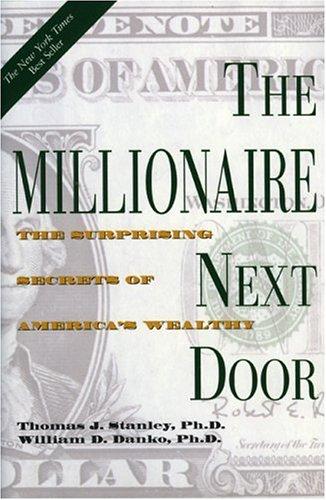
For anyone who confuses high income with wealth, or who feels behind because their lifestyle doesn't look like the we…
Buy on Amazon →
Anyone who earns enough to make discretionary spending choices but suspects their spending is not generating proporti…
Buy on Amazon →
Households in active consumer-debt distress who need a non-negotiable shared script. Not for investors already past B…
Buy on Amazon →About Jake Halpern
Read more from Jake Halpern and explore the full bibliography on ClearValue Books.
View Jake Halpern's page →Get an email if our take on Bad paper changes.
We re-review our picks. We'll email you if Bad paper's ranking or review changes — no checking back.
