

Before I do

Curated by Brian Kim, CPA — every pick gets a plain-English summary and the key takeaways.
Brian Kim, CPA · 2.89M YouTube Subscribers →What this book actually teaches
- 01A prenuptial agreement defines the financial terms of a marriage end in advance — not because failure is expected, but because clarity prevents costly disputes later.
- 02Prenups can address separate vs. marital property, business ownership, debt allocation, and spousal support parameters, but cannot predetermine child custody or support.
- 03Enforceability requires independent counsel for both parties, full financial disclosure, adequate lead time before the wedding, and proper execution — courts void prenups that skip these.
- 04The use case extends beyond wealthy individuals to anyone with asymmetric finances: second-marriage parents, business owners, or partners with significant debt disparities.
- 05Family law is state-specific; readers outside New York should verify local enforcement rules with a local attorney before relying on Schwartz's framework.
What's in this book
Elizabeth F. Schwartz's Before I Do is a practical guide to prenuptial agreements written by a family law attorney. The book's central argument is that the prenuptial conversation — what happens to assets, income, and debt if a marriage ends — is not a cynical hedge against divorce but a form of financial and legal clarity that benefits both partners. Schwartz frames the prenup as a planning document, not a prediction of failure.
The book works through several distinct questions in sequence. First, what a prenuptial agreement can and cannot do: it can define property as separate or marital, establish how income earned during the marriage is characterized, specify what happens to a business, and address spousal support (alimony) parameters. It cannot predetermine child custody or child support, and a court can void provisions it finds unconscionable. Second, who needs one: the conventional picture is wealthy individuals protecting prior assets, but Schwartz argues the use case is broader — someone entering a second marriage with children from a prior relationship, a business owner, a person with significant debt, or anyone with asymmetric financial circumstances on either side. Third, how to have the conversation with a partner in a way that doesn't feel like a preemptive accusation, which is where the book earns its practical value for many readers.
Schwartz also covers the procedural requirements that determine enforceability: both parties need independent legal counsel, full financial disclosure, adequate time before the wedding (not signing under duress the night before), and a signed, witnessed document. Courts have voided prenups on all of these grounds, and the details matter more than people realize.
The limitations are notable. Schwartz is a New York-based attorney, and family law is state-by-state in the U.S. — enforcement standards, what can be included, and how courts treat specific provisions vary significantly by jurisdiction. Readers outside New York will need to verify local rules with local counsel. The book is also written for a general audience rather than as a legal reference, so it stays at the conceptual level and explicitly defers implementation to an attorney.
Worth reading for any engaged couple who wants to understand what a prenuptial agreement actually is before deciding whether to pursue one. The demystification of the process is the book's real contribution; the actual document requires an attorney regardless.
Read next

For anyone whose financial education was "get a good job and save" — the book is most valuable for first-time readers…
Buy on Amazon →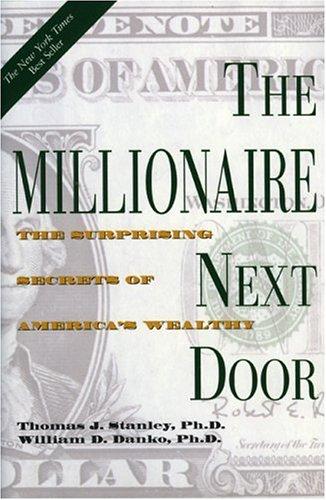
For anyone who confuses high income with wealth, or who feels behind because their lifestyle doesn't look like the we…
Buy on Amazon →
Anyone who earns enough to make discretionary spending choices but suspects their spending is not generating proporti…
Buy on Amazon →
Households in active consumer-debt distress who need a non-negotiable shared script. Not for investors already past B…
Buy on Amazon →About Elizabeth F Schwartz
Read more from Elizabeth F Schwartz and explore the full bibliography on ClearValue Books.
View Elizabeth F Schwartz's page →Get an email if our take on Before I do changes.
We re-review our picks. We'll email you if Before I do's ranking or review changes — no checking back.
