

Broke Diaries

Curated by Brian Kim, CPA — every pick gets a plain-English summary and the key takeaways.
Brian Kim, CPA · 2.89M YouTube Subscribers →What this book actually teaches
- 01Being broke is not just a money problem — the cognitive load of tracking every dollar consumes mental bandwidth that more affluent people spend on other things.
- 02The book renders financial hardship through precise, specific episodes rather than generalizations, which is what makes it accurate.
- 03Survival strategies for being broke (timing checks, meal plan arbitrage, serial borrowing) are reported honestly, not endorsed.
- 04Financial hardship in a high-cost environment like an Ivy League campus creates a particular social friction the book captures well.
- 05This is a humor memoir, not a personal finance guide — do not read it expecting actionable advice.
What's in this book
The Broke Diaries is Angela Nissel's memoir of being genuinely, chronically broke during her undergraduate years at the University of Pennsylvania in the late 1990s. The book's argument — to the extent a humor memoir makes one — is that financial hardship in early adulthood is both more absurd and more grinding than it looks from the outside, and that the strategies broke people develop to stay afloat deserve more recognition than they typically get. Originally posted on a personal website that built a following before becoming a book, the diary entries are short, funny, and specific.
Nissel does not lecture or moralize. She reports: the mental arithmetic of choosing between ramen and bus fare, the logistics of timing checks to avoid overdraft fees by hours, the social friction of being broke in an environment where peers have spending money she does not, and the particular humiliation of relying on a university meal plan that runs out before the semester does. The episodes are funny because they are precise — she names the exact amount she owes, the exact day the eviction notice arrives, the exact workaround she found for any given problem.
What gives the book traction beyond comedy is the way it captures the cognitive load of being broke. The mental bandwidth consumed by tracking a checking account balance to the dollar, timing grocery runs around payday, and negotiating with utility companies is real — and Nissel renders it accurately without making it the explicit subject. The reader understands the exhaustion without being told to feel it.
The book is aimed at anyone who has been young and broke and wants to see that experience rendered honestly, or who wants a personal-finance adjacent read that does not lecture them. It is not a personal finance guide and makes no claim to be one.
The caveats are straightforward. The Broke Diaries is a comedy memoir, not a financial education text. The strategies Nissel uses to survive — bouncing checks strategically, borrowing from everyone she knows, gaming a meal plan — are reported, not recommended. Readers who come to the book looking for actionable advice will leave empty-handed. The book also belongs firmly to its late-1990s college-poverty context; some of the specific financial mechanics (check float strategies, how overdraft worked before Regulation E) are less relevant today. And the humor sometimes works harder to land than the material warrants.
As an honest account of what being broke actually feels like from inside, The Broke Diaries holds up. It is a short, fast read that earns its reputation among readers who lived a version of the same experience.
Read next

For anyone whose financial education was "get a good job and save" — the book is most valuable for first-time readers…
Buy on Amazon →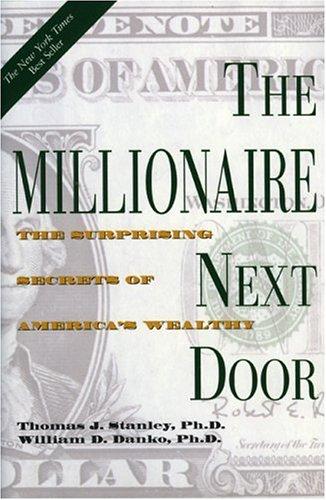
For anyone who confuses high income with wealth, or who feels behind because their lifestyle doesn't look like the we…
Buy on Amazon →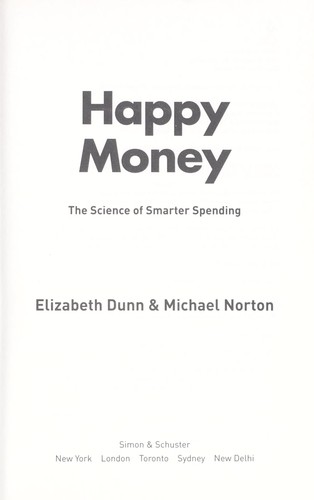
Anyone who earns enough to make discretionary spending choices but suspects their spending is not generating proporti…
Buy on Amazon →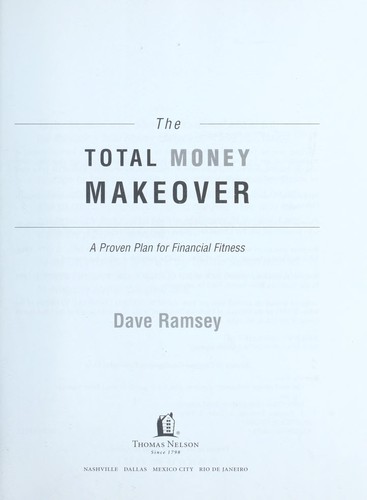
Households in active consumer-debt distress who need a non-negotiable shared script. Not for investors already past B…
Buy on Amazon →About Angela Nissel
Read more from Angela Nissel and explore the full bibliography on ClearValue Books.
View Angela Nissel's page →Get an email if our take on Broke Diaries changes.
We re-review our picks. We'll email you if Broke Diaries's ranking or review changes — no checking back.
