

City chic

Curated by Brian Kim, CPA — every pick gets a plain-English summary and the key takeaways.
Brian Kim, CPA · 2.89M YouTube Subscribers →What this book actually teaches
- 01A small, well-chosen wardrobe bought at the right moments (end-of-season, sample sales) outperforms a large wardrobe built at full retail.
- 02In a major city, the gap between free or cheap cultural life and expensive cultural life is larger than most people assume — knowing where to look closes it.
- 03Apartment value comes from location, natural light, and kitchen quality — not from amenities that sound good in a listing.
- 04The 2003 rental price points and apartment-hunting tactics are not applicable to today's urban markets; use the framework, not the specifics.
- 05The core principle — intentional tradeoffs over anxious spending — is durable even where the specific strategies are dated.
What's in this book
Nina Willdorf's City Chic makes the case that living well in a major city on a limited budget is a skill, not a contradiction — and that the assumption you need significant income to have a full urban social and cultural life is both incorrect and, once examined, worth rejecting. Published in 2003 and aimed at young women building lives in cities like New York, Chicago, and San Francisco, the book covers apartment hunting, wardrobe building, food, socializing, beauty, travel, and career navigation, with a consistent eye toward getting the most out of city life without spending what city life typically demands.
Willdorf's approach is editorial and practical rather than theoretical. She does not build a budget framework or run spreadsheets. Instead, she shares the strategies she and people she knows actually used: timing clothing purchases to end-of-season sales, knowing which museum admission policies have free hours, finding sample sales, understanding what apartment amenities are actually worth paying a premium for versus what sounds good in a listing, and building a social life around activities that are free or cheap in any major city — parks, galleries, community events, library programming — rather than restaurants and bars as a default.
The wardrobe chapters are the most specific and useful. Willdorf argues that a small, well-chosen wardrobe bought at the right moments beats a large wardrobe assembled at full retail price — and she works through the practical execution: which categories are worth buying quality and holding, which categories are trend-dependent and should be bought cheap, how to extend the life of clothes through simple care, and how to identify pieces that work across multiple contexts. The apartment chapter similarly distinguishes between the things worth spending more for (location, natural light, kitchen) and the things that can be addressed with inexpensive solutions.
This is aimed at women in their twenties and early thirties who have recently moved to or are newly navigating a major city, have entry-level or early-career incomes, and want a social and aesthetic life that does not require a salary they do not yet have.
The caveats are significant. The book is from 2003, and the specific price points, resources, and cultural references have all shifted. The rental market in particular is unrecognizable from 2003 levels in most major US cities; strategies for finding affordable apartments that Willdorf describes as viable have been squeezed by two decades of urban cost inflation. Some of the gender-specific framing (beauty spending, wardrobe building as a primary focus) reflects assumptions about what young professional women prioritize that will feel dated to some readers. The book is also specific to American major cities — readers in smaller markets will need to adapt.
The core insight — that intentional tradeoffs and knowing where to look produces a richer life on limited income than anxious spending — holds up. The specific tactics need updating.
Read next

For anyone whose financial education was "get a good job and save" — the book is most valuable for first-time readers…
Buy on Amazon →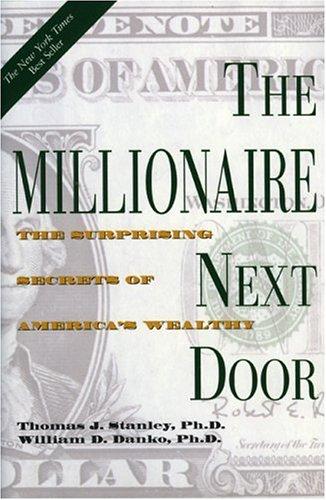
For anyone who confuses high income with wealth, or who feels behind because their lifestyle doesn't look like the we…
Buy on Amazon →
Anyone who earns enough to make discretionary spending choices but suspects their spending is not generating proporti…
Buy on Amazon →
Households in active consumer-debt distress who need a non-negotiable shared script. Not for investors already past B…
Buy on Amazon →About Nina Willdorf
Read more from Nina Willdorf and explore the full bibliography on ClearValue Books.
View Nina Willdorf's page →Get an email if our take on City chic changes.
We re-review our picks. We'll email you if City chic's ranking or review changes — no checking back.
