

City chic

Curated by Brian Kim, CPA — every pick gets a plain-English summary and the key takeaways.
Brian Kim, CPA · 2.89M YouTube Subscribers →What this book actually teaches
- 01Willdorf's central argument is that the gap between living well and spending a lot is learnable to close — and that most city dwellers conflate cultural richness with high spending when urban environments actually offer more free and low-cost access to culture than suburban or rural ones.
- 02The clothing chapters are the book's most practically useful: Willdorf distinguishes between paying for branding versus quality, argues that a stable personal style framework is cheaper over time than trend-chasing, and documents consignment and outlet strategies as systematic rather than occasional tactics.
- 03The deprivation framing is deliberately absent — Willdorf treats frugal alternatives as genuinely satisfying rather than as sacrifices, which distinguishes the book from more puritanical personal finance writing and makes the lifestyle model more durable for readers who resist the scarcity frame.
- 04The housing section is the most time-bound: strategies calibrated to early-2000s New York City rental markets transfer poorly to current conditions in high-cost cities, and readers should treat that chapter as conceptually useful but tactically outdated.
- 05The book works best for readers who want a lifestyle orientation rather than a technical financial planning guide — it provides the mindset and category-level strategies but does not cover budgeting systems, debt management, saving rates, or investment basics.
What's in this book
City Chic (2003) by Nina Willdorf is a lifestyle and personal finance book aimed at young women living in expensive cities who want to maintain an aspirational urban life without the debt load that lifestyle typically generates. Willdorf's central argument is that the gap between "living well" and "spending a lot" is larger than most people recognize — and that the skills required to close that gap are learnable, repeatable, and more satisfying than passive consumption.
The book's organizing framework is the concept of the "city chic" woman: someone who has figured out how to live in a major urban center (New York is the primary frame, though the principles apply broadly) with cultural richness, social engagement, and visual style without earning a six-figure income. Willdorf covers the full landscape of urban expense categories: housing, clothing, food, entertainment, travel, and beauty. Each chapter maps both the conventional high-cost path and the alternatives she has vetted, with specific enough guidance to be actionable rather than aspirational.
The clothing chapters are the book's most distinctive contribution. Willdorf's approach to building a stylish wardrobe on a budget is systematic: she addresses consignment shopping, outlet strategy, fabric quality as a proxy for longevity, and the difference between trend-chasing (expensive and ephemeral) and a personal style framework (cheaper over time and more confident-looking). The argument is not that expensive clothing is bad but that most buyers pay a premium for branding rather than quality, and that quality can be sourced elsewhere at lower cost with more intentionality.
The food and entertainment chapters make the case that urban environments offer more free and low-cost cultural access than suburban or rural ones — and that most city dwellers underuse this. Museum free days, outdoor concerts, gallery openings, community events, and the public library system are documented as genuine alternatives to paid entertainment rather than as consolation prizes. Willdorf's tone here is one of genuine enthusiasm rather than deprivation framing, which distinguishes the book from more hair-shirt personal finance writing of the era.
The housing section is the weakest because it is the most geographically specific and time-bound. The strategies for finding affordable housing in early-2000s New York City — roommate networks, negotiating with landlords in slower months, the outer boroughs as alternatives to Manhattan — were reasonable advice in 2003 but reflect a rental market that has changed substantially. Readers in cities with extreme housing cost growth since 2003 will find this section least transferable.
The larger limitation is the book's publication date. Twenty-plus years of housing cost inflation, the rise of fast fashion and then resale platforms, and the emergence of the gig economy have shifted several of the book's specific strategies. The underlying framing — that style and urban richness are compatible with modest income if you make deliberate choices — remains sound, but the tactical specifics need updating for a 2020s reader.
For young women navigating expensive cities on entry-level or modest incomes who want a lifestyle framing for personal finance rather than a spreadsheet-heavy approach, City Chic offers a more enjoyable read than most books in this space. It works best as a mindset primer alongside more current tactical resources.
Read next

For anyone whose financial education was "get a good job and save" — the book is most valuable for first-time readers…
Buy on Amazon →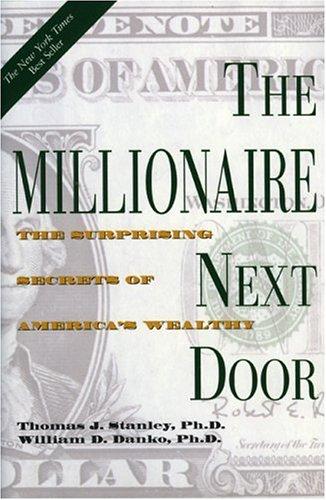
For anyone who confuses high income with wealth, or who feels behind because their lifestyle doesn't look like the we…
Buy on Amazon →
Anyone who earns enough to make discretionary spending choices but suspects their spending is not generating proporti…
Buy on Amazon →
Households in active consumer-debt distress who need a non-negotiable shared script. Not for investors already past B…
Buy on Amazon →About Nina Willdorf
Read more from Nina Willdorf and explore the full bibliography on ClearValue Books.
View Nina Willdorf's page →Get an email if our take on City chic changes.
We re-review our picks. We'll email you if City chic's ranking or review changes — no checking back.
