

Don't break the bank

Curated by Brian Kim, CPA — every pick gets a plain-English summary and the key takeaways.
Brian Kim, CPA · 2.89M YouTube Subscribers →What this book actually teaches
- 01The minimum-payment trap on credit cards is one of the book's strongest explanations: Peterson's shows explicitly how a small balance carried at 20%+ APR compounds into a multi-year payoff horizon.
- 02Credit card marketing targeting college students — pre-approved offers, rewards framing that obscures interest cost — is documented with enough specificity that young readers can recognize the tactic when they encounter it.
- 03The 2007 federal student loan landscape described in the book has been modified substantially; readers should verify current terms, repayment options, and forgiveness programs against studentaid.gov rather than relying on the book's specifics.
- 04Overdraft protection rules described in the book predate Federal Reserve Regulation E changes in 2010 that required affirmative opt-in — the banking product environment is now materially different.
- 05The investing section is introductory and predates the low-cost index fund revolution; it provides a conceptual starting point but not actionable current guidance.
What's in this book
Don't Break the Bank: A Student's Guide to Managing Money (2007) by Peterson's is a personal finance primer aimed at high school and college students making their first independent financial decisions. The book's premise is that most young people arrive at college or their first job with no practical personal finance education, and that this gap creates the conditions for the credit card debt, overdraft fees, and financial stress that become defining features of early adulthood. Peterson's — best known for its college and career guidebooks — brings that same reference-book orientation to the money basics.
The book covers the expected foundational topics: building a budget, opening and managing a checking and savings account, understanding how credit cards work and what makes credit card debt expensive, building a credit score from scratch, the basics of student loans (federal versus private, interest capitalization, repayment options), and an introduction to saving and investing for goals further out. Each section is structured as a standalone reference rather than a sequential argument, which suits the reference-book format but means the book lacks a strong through-line narrative.
The credit card chapters are the most practically useful. Peterson's explains APR and the effective cost of carrying a balance in plain terms that avoid the financial jargon that confuses first-time cardholders, walks through the minimum-payment trap with explicit math, and addresses the specific marketing tactics credit card companies use to target college students (pre-approved offers at campus events, rewards points framing that obscures the interest cost of any carried balance). The student loan section is solid for a 2007 publication — the federal loan program structure it describes has been modified substantially since (income-driven repayment options, the elimination of subsidized Stafford loans for graduate students, and subsequent modifications to PSLF), so readers should verify current terms against studentaid.gov.
Weaknesses are primarily a function of age. The 2007 publication date means the student loan landscape it describes is significantly outdated — this is a material problem given how central student loan decisions are to the book's intended audience. Banking products and fees have changed; the overdraft protection rules Peterson's describes were substantially altered by Federal Reserve Regulation E changes in 2010. The investing section, thin even by the book's standards, describes mutual fund basics without the context of low-cost index funds and the fee-compression that reshaped the retail investing landscape after 2010. The advice is not wrong so much as it describes a financial product environment that no longer exists in the same form.
Verdict
a reasonable foundational orientation for young readers who have never engaged with personal finance basics, but the specific product guidance is too outdated to rely on. Best used alongside current online resources (studentaid.gov, the CFPB's student tools) that reflect the current regulatory and product environment.
Read next

For anyone whose financial education was "get a good job and save" — the book is most valuable for first-time readers…
Buy on Amazon →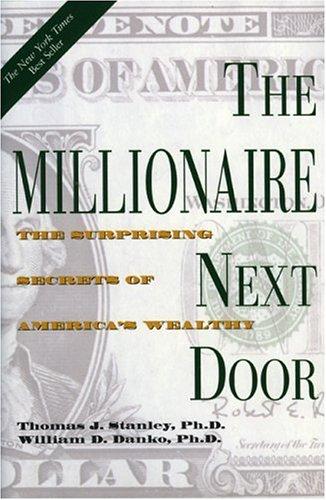
For anyone who confuses high income with wealth, or who feels behind because their lifestyle doesn't look like the we…
Buy on Amazon →
Anyone who earns enough to make discretionary spending choices but suspects their spending is not generating proporti…
Buy on Amazon →
Households in active consumer-debt distress who need a non-negotiable shared script. Not for investors already past B…
Buy on Amazon →About Peterson S Firm 2006
Read more from Peterson S Firm 2006 and explore the full bibliography on ClearValue Books.
View Peterson S Firm 2006's page →Get an email if our take on Don't break the bank changes.
We re-review our picks. We'll email you if Don't break the bank's ranking or review changes — no checking back.

Ready to read Don't break the bank?
Buy the edition we recommend on Amazon.
Buy on Amazon →