

END GAME

Curated by Brian Kim, CPA — every pick gets a plain-English summary and the key takeaways.
Brian Kim, CPA · 2.89M YouTube Subscribers →What this book actually teaches
- 01Developed-world debt levels post-2008 represent the end of a multi-decade supercycle, not a cyclical downturn that can be grown out of.
- 02The structural flaw in the eurozone — monetary union without fiscal union — made sovereign debt crises in peripheral nations predictable.
- 03Japan's debt-to-GDP trajectory and demographic headwinds were identified as particularly acute; that analysis remains structurally sound fifteen years later.
- 04The book draws heavily on Reinhart and Rogoff's research showing that high debt-to-GDP ratios consistently suppress long-run growth.
- 05Mauldin's timing assumptions have aged poorly — the crises he anticipated have been deferred by central bank intervention he did not adequately weight.
What's in this book
John Mauldin's argument in Endgame, co-written with Jonathan Tepper, is that the developed world entered a structural debt supercycle after World War II and that the 2008–2009 financial crisis marked the beginning of its end. Governments, households, and financial institutions in the U.S., Europe, and Japan accumulated debt levels that cannot be grown out of in any politically realistic timeframe. The book's thesis, drawn in part from Carmen Reinhart and Kenneth Rogoff's This Time Is Different research, is that the endgame of a debt supercycle always arrives eventually — the only variables are the form it takes and who bears the losses.
The argument proceeds country by country. The U.S. chapter focuses on the structural mismatch between entitlement commitments (Social Security, Medicare, Medicaid) and the tax base projected to fund them, and argues that the Congressional Budget Office's baseline assumptions require growth rates that past performance does not support. The European chapters — written before the full severity of the Greek, Irish, and Spanish crises unfolded — prove prescient in identifying the structural flaw in a monetary union without a fiscal union. The Japan chapter is perhaps the book's strongest: Mauldin builds the case that Japan's debt-to-GDP trajectory and demographic headwinds make the eventual reckoning a matter of when, not if. The book closes with a chapter on the endgame scenarios — inflation, deflation, restructuring, austerity — and how the politics of each play out differently.
The intended audience is financially literate readers — investors, financial advisors, business owners — who want a macroeconomic framework for understanding sovereign debt dynamics and their portfolio implications. This is not an entry-level economics text.
The weaknesses are significant for a book now fifteen years old. The immediate crisis Mauldin predicted has not materialized on the timeline implied. Japan has continued to carry extraordinary debt loads without the bond market revolt the book anticipated; the U.S. has borrowed at historically low rates through the 2010s and into the 2020s; the eurozone survived its sovereign debt crisis through a combination of ECB intervention ("whatever it takes") and restructuring mechanisms that Mauldin largely ruled out. The book's macro framework is real, but its timing assumptions have been badly wrong, and the asset-allocation implications readers drew from it in 2011 would often have been costly. The research is solid; the forecasting has aged poorly.
Worth reading as a framework for understanding sovereign debt dynamics and the structural fiscal constraints facing developed economies. Read it for the conceptual model, not the timeline — and pair it with more recent analysis of how central bank intervention has extended the runway.
Read next

For anyone whose financial education was "get a good job and save" — the book is most valuable for first-time readers…
Buy on Amazon →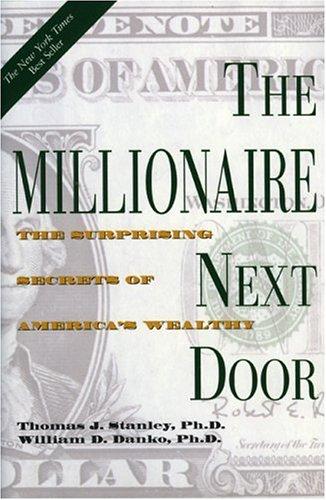
For anyone who confuses high income with wealth, or who feels behind because their lifestyle doesn't look like the we…
Buy on Amazon →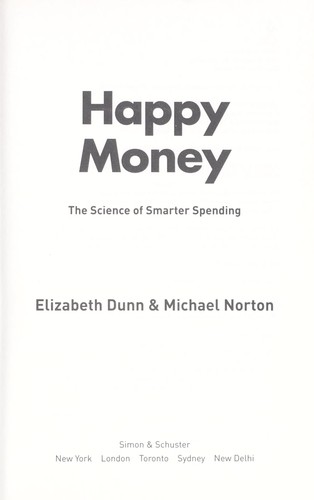
Anyone who earns enough to make discretionary spending choices but suspects their spending is not generating proporti…
Buy on Amazon →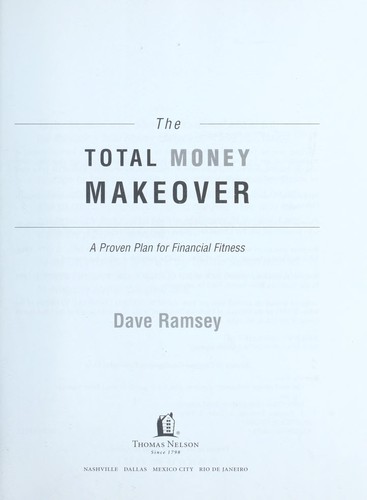
Households in active consumer-debt distress who need a non-negotiable shared script. Not for investors already past B…
Buy on Amazon →About John Mauldin
Read more from John Mauldin and explore the full bibliography on ClearValue Books.
View John Mauldin's page →Get an email if our take on END GAME changes.
We re-review our picks. We'll email you if END GAME's ranking or review changes — no checking back.
