

Financially Fearless

Curated by Brian Kim, CPA — every pick gets a plain-English summary and the key takeaways.
Brian Kim, CPA · 2.89M YouTube Subscribers →What this book actually teaches
- 01The 50/20/30 rule (50% essentials, 20% financial priorities, 30% lifestyle) is a starting framework rather than a rigid prescription — Von Tobel explicitly builds in adjustment logic for high-cost-of-living cities and high-debt situations.
- 02The 20% financial-priorities bucket covers debt repayment sequencing, emergency fund sizing, and retirement account selection in a straightforward order-of-operations that works for most readers starting from scratch.
- 03Von Tobel's argument against eliminating all discretionary spending is behavioral, not permissive: budgets that allow no lifestyle spending fail through attrition, and the 30% lifestyle bucket is structural, not optional.
- 04The investing content is intentionally introductory — enough to orient a first-time investor toward index funds and employer matches, but not deep enough to serve as a standalone investing guide.
- 05The framework is most useful for readers with stable income and no existing organizing system; it is less applicable for readers with debt loads that overwhelm the 20% financial-priorities allocation or income too low to produce meaningful savings at the suggested split.
What's in this book
Financially Fearless (2013) by Alexa Von Tobel, the founder of LearnVest, is a structured personal finance guide built around a framework she calls the 50/20/30 rule — a budgeting split that allocates 50% of take-home pay to essentials, 20% to financial priorities (saving, debt repayment, investing), and 30% to lifestyle spending. Von Tobel's argument is that most people fail at personal finance not because the concepts are hard but because no one has given them a clear, simple organizing framework they can actually implement. The book is her attempt to provide that framework.
The 50/20/30 rule is the book's central contribution and its most discussed element. Von Tobel is clear that the split is a starting point rather than a rigid prescription — high-cost-of-living cities may require a higher essentials percentage, and people with significant debt should redirect lifestyle spending toward financial priorities — but she defends the structure's value as a forcing function. Knowing where your money is supposed to go before the month starts is the difference between an intentional financial life and an accidental one. The chapters that flesh out each bucket walk through how to categorize expenses, how to handle the categories that don't fit cleanly, and how to adjust when the baseline split doesn't work for a given income or cost structure.
The financial priorities bucket — the 20% — is where the book does its most substantive work. Von Tobel covers the debt repayment sequencing logic (high-interest consumer debt before lower-rate debt, with a caveat about minimum payments on all obligations), the emergency fund target (three to six months of essential expenses, not total spending), and the basics of retirement account selection (401(k) to the employer match, then Roth IRA if eligible, then back to 401(k)). The investment chapters introduce index funds and asset allocation without getting into the portfolio construction depth that a dedicated investing book would cover — the goal is orientation, not mastery.
The lifestyle spending bucket (30%) gets less analytical treatment but more practical guidance than many personal finance books offer. Von Tobel makes the case that eliminating discretionary spending is not a sustainable strategy — that the budget framework has to accommodate real life to have any chance of working — while still distinguishing between lifestyle spending that is deliberate (vacation, experiences, eating out by choice) versus spending that is accidental (subscriptions not noticed, convenience purchases that add up). The behavioral emphasis throughout is consistent with the LearnVest platform's design philosophy: small, visible commitments maintained over time beat heroic but unsustainable interventions.
Weaknesses
the 50/20/30 framework, while useful as a starting point, is less helpful for the readers who need the most help — those with incomes too low for the split to produce meaningful savings, or those with debt loads so significant that the 20% financial-priorities bucket can't address them at a pace that matters. Von Tobel acknowledges these cases but doesn't resolve them. The book is also notably optimistic about income trajectory — the sections on career and income growth assume an upward arc that not all readers will experience. And the investing content, while accessible, is thin enough that readers who want to actually implement a portfolio will need to go elsewhere.
Verdict
a solid entry-level framework for the reader who has income but no organizing system for it. The 50/20/30 rule gives beginners a starting structure without the paralysis of a zero-based budget; the behavioral framing makes the advice feel achievable. Readers with more complex situations — significant debt, irregular income, closer to retirement — will outgrow the framework quickly.
Read next

For anyone whose financial education was "get a good job and save" — the book is most valuable for first-time readers…
Buy on Amazon →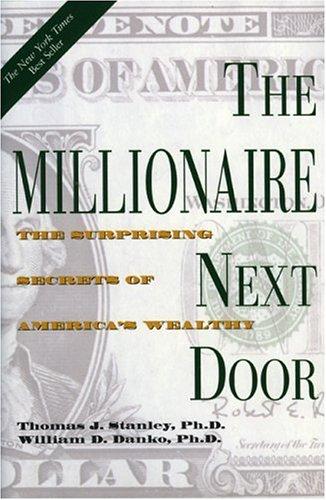
For anyone who confuses high income with wealth, or who feels behind because their lifestyle doesn't look like the we…
Buy on Amazon →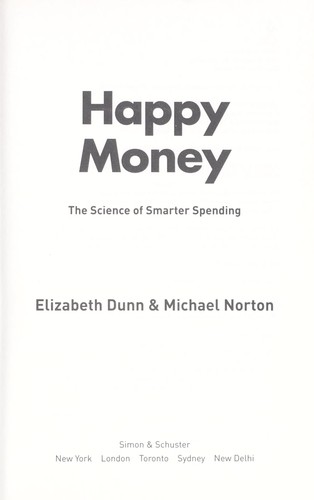
Anyone who earns enough to make discretionary spending choices but suspects their spending is not generating proporti…
Buy on Amazon →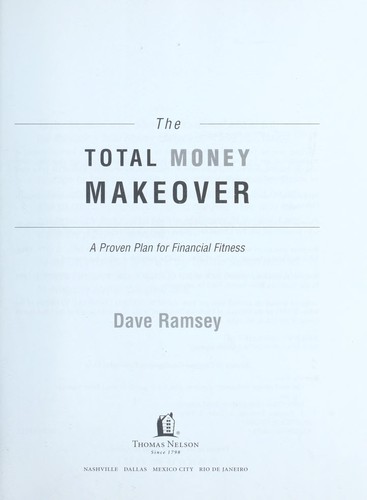
Households in active consumer-debt distress who need a non-negotiable shared script. Not for investors already past B…
Buy on Amazon →How Financially Fearless stacks up
About Alexa Von Tobel
Read more from Alexa Von Tobel and explore the full bibliography on ClearValue Books.
View Alexa Von Tobel's page →Get an email if our take on Financially Fearless changes.
We re-review our picks. We'll email you if Financially Fearless's ranking or review changes — no checking back.

Ready to read Financially Fearless?
Buy the edition we recommend on Amazon.
Buy on Amazon →