

Genius of Generosity Book

Curated by Brian Kim, CPA — every pick gets a plain-English summary and the key takeaways.
Brian Kim, CPA · 2.89M YouTube Subscribers →What this book actually teaches
- 01The book argues that the tithe is a floor, not a ceiling — grace-motivated giving in the New Testament framework should exceed the 10% baseline, not merely meet it.
- 02Ingram frames the core problem as a spiritual one: the accumulation instinct is bondage, and generous giving is the mechanism for spiritual freedom from materialism.
- 03The practical section covers starting-percentage decisions, automating giving, and treating the church as a planned budget line rather than discretionary spending.
- 04The book is explicitly devotional — closer to a sermon series than a financial planning text — and assumes a committed evangelical framework throughout.
- 05Practical financial planning (debt management, investing, tax implications of charitable giving) is essentially absent; the book does not condition generosity advice on achieving financial stability first.
What's in this book
Chip Ingram's argument in Genius of Generosity is that Christian giving is not primarily a financial discipline — it is a spiritual practice that reshapes the giver's relationship to money, possessions, and God. The book is written explicitly within an evangelical Christian framework and draws on biblical texts to argue that generous giving produces spiritual freedom, that the instinct to accumulate and protect wealth is a form of spiritual bondage, and that the antidote is systematic, cheerful, and sacrificial giving that exceeds the minimum tithe.
Ingram organizes the argument in three movements. First, the theological foundation: what the Old and New Testaments say about money, ownership, and stewardship — the position that everything belongs to God and believers are stewards rather than owners, and that the tithe (ten percent of income to the local church) is the floor, not the ceiling, of Christian generosity. He engages the New Testament shift from tithe-as-law to giving-as-grace and argues that grace-motivated giving should exceed law-motivated giving, not fall short of it. Second, the practical application: how to move from knowing the theology to actually restructuring your giving — establishing a starting percentage, automating giving, including the church in long-term financial planning rather than treating it as discretionary spending. Third, the motivational section covers the spiritual and relational outcomes Ingram associates with generous living: reduced anxiety about money, freedom from materialism, and the experience of participating in something larger than personal wealth accumulation.
The book is short and explicitly devotional in intent — closer to a sermon series transcript than to a financial planning text. Ingram uses personal stories and biblical illustrations throughout; the tone is pastoral and warm rather than systematic.
The audience is evangelical Christian readers who are already committed to a biblical worldview and are looking for pastoral guidance on integrating their faith with their finances — specifically, readers who tithe minimally or inconsistently and want a theological push toward more deliberate generosity.
The weaknesses are scope-related. The book does not address personal financial planning in any substantive way — budgeting, debt, investing, insurance, and tax implications of charitable giving are essentially absent. Readers who need practical guidance on how to give more when they are under financial pressure (debt, inadequate emergency savings, no retirement savings) will not find it here. The book assumes a degree of financial slack that not all readers have, and the advice to give more is not conditioned on financial stability.
Worth reading as a pastoral primer on Christian stewardship theology for evangelical readers who want the biblical case for generous giving articulated clearly. Not a substitute for practical financial planning, and not addressed to readers outside its theological framework.
Read next

For anyone whose financial education was "get a good job and save" — the book is most valuable for first-time readers…
Buy on Amazon →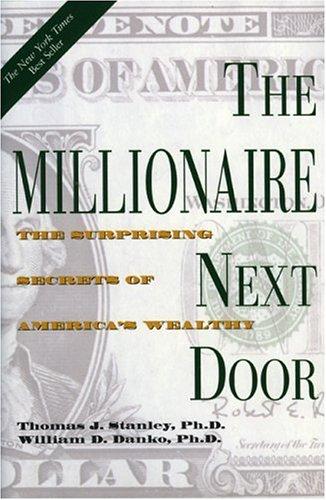
For anyone who confuses high income with wealth, or who feels behind because their lifestyle doesn't look like the we…
Buy on Amazon →
Anyone who earns enough to make discretionary spending choices but suspects their spending is not generating proporti…
Buy on Amazon →
Households in active consumer-debt distress who need a non-negotiable shared script. Not for investors already past B…
Buy on Amazon →About Chris Ingraham
Read more from Chris Ingraham and explore the full bibliography on ClearValue Books.
View Chris Ingraham's page →Get an email if our take on Genius of Generosity Book changes.
We re-review our picks. We'll email you if Genius of Generosity Book's ranking or review changes — no checking back.

Ready to read Genius of Generosity Book?
Buy the edition we recommend on Amazon.
Buy on Amazon →