

Get financially naked

Curated by Brian Kim, CPA — every pick gets a plain-English summary and the key takeaways.
Brian Kim, CPA · 2.89M YouTube Subscribers →What this book actually teaches
- 01Financial conflict in relationships is most often caused not by incompatible habits but by the failure to disclose financial realities before those realities become entangled in a shared life.
- 02The book structures the disclosure process explicitly: what to reveal (income, debts, credit score, family financial obligations), when to have the conversation, and how to frame it as mutual disclosure rather than interrogation.
- 03The post-disclosure section covers three approaches to joint finances — all-in, all-out, and hybrid — and gives frameworks for deciding which fits a specific couple's income and asset structure.
- 04Financial inequality between partners (income gaps, debt gaps, asset gaps) receives specific treatment rather than being hand-waved as a minor complication.
- 05The legal and financial implications of cohabitation without marriage are underdeveloped — a gap that has grown more significant as marriage rates have declined since the book's 2009 publication.
What's in this book
Manisha Thakor and Sharon Kedar's argument in Get Financially Naked is that the single biggest predictor of financial conflict in a relationship is not income, spending habits, or debt levels — it is the failure to have an honest, specific conversation about money before those financial realities become entangled in a shared life. The book is addressed primarily to women in serious relationships, though its framework applies broadly, and its core recommendation is a structured pre-commitment financial disclosure process: what Thakor and Kedar call "getting financially naked" with a partner.
The book proceeds in stages that roughly follow the arc of a serious relationship. The first section establishes the premise: why financial conversations are avoided (shame, fear of conflict, cultural messaging that money talk is unromantic), and why the avoidance is costly (financial incompatibility is a leading predictor of relationship failure; partners who discover financial realities after marriage or cohabitation face much higher remediation costs than those who discover them before). The second section guides readers through the actual disclosure process: what to reveal (income, assets, debts, credit score, financial obligations to family members, spending patterns, savings habits), when to have the conversation (once the relationship is clearly heading toward commitment, not on the third date), and how to structure it so both parties disclose rather than one interrogating the other. The third section addresses the structural decisions that come after disclosure: how to set up joint finances (the all-in/all-out/hybrid approaches), how to handle financial inequality between partners (income gaps, asset gaps, debt gaps), and how to maintain financial alignment as circumstances change.
Thakor is a Wellesley-trained finance professional and writes from that background — the financial mechanics are accurate and the investment and account-structure guidance is technically sound. The tone is accessible and warm without being condescending.
The audience is women in serious relationships who want a structured framework for the money conversation they know they should have but have been avoiding — or who have recently discovered a financial mismatch and want guidance on how to address it.
The weaknesses are partly scope and partly date. The book does not cover the legal financial implications of cohabitation without marriage, which have become more relevant as marriage rates have declined since 2009. The investment guidance is somewhat generic — the specific platform and product recommendations have been superseded by the rise of low-cost robo-advisors and fee compression in ETF markets. And the book's frame, while inclusive in tone, is most directly addressed to heterosexual couples; same-sex couples navigating different legal and tax structures may find some sections less applicable.
Worth reading as a practical framework for the financial disclosure conversation that too many couples avoid until it is significantly more expensive to fix. More useful before commitment than after, though the account-structure and financial-alignment sections apply at any stage.
Read next

For anyone whose financial education was "get a good job and save" — the book is most valuable for first-time readers…
Buy on Amazon →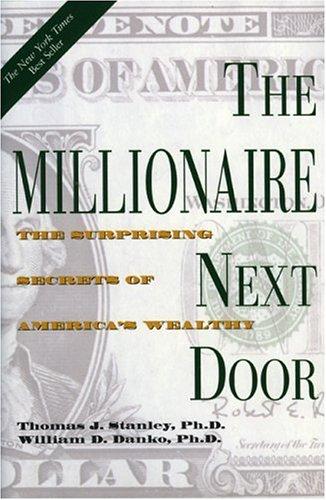
For anyone who confuses high income with wealth, or who feels behind because their lifestyle doesn't look like the we…
Buy on Amazon →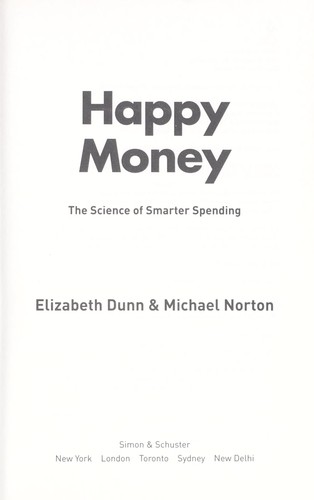
Anyone who earns enough to make discretionary spending choices but suspects their spending is not generating proporti…
Buy on Amazon →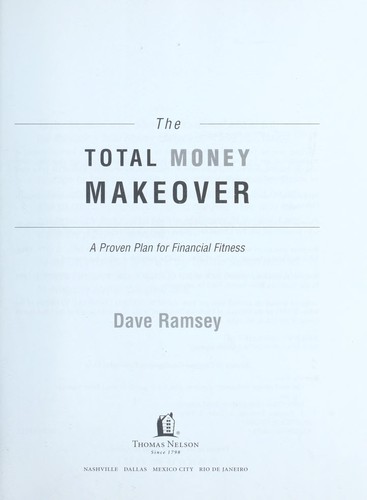
Households in active consumer-debt distress who need a non-negotiable shared script. Not for investors already past B…
Buy on Amazon →About Manisha Thakor
Read more from Manisha Thakor and explore the full bibliography on ClearValue Books.
View Manisha Thakor's page →Get an email if our take on Get financially naked changes.
We re-review our picks. We'll email you if Get financially naked's ranking or review changes — no checking back.

Ready to read Get financially naked?
Buy the edition we recommend on Amazon.
Buy on Amazon →