

How to be smart with your money

Curated by Brian Kim, CPA — every pick gets a plain-English summary and the key takeaways.
Brian Kim, CPA · 2.89M YouTube Subscribers →What this book actually teaches
- 01Financial behaviors — budgeting, debt management, saving, investing — are learnable skills, not personality traits or class advantages.
- 02The debt section is the book's strongest material: Bannatyne is clear on how revolving credit card interest compounds against cardholders and how to sequence payoff.
- 03UK-specific instruments (ISAs, SIPPs, National Insurance) make most of the practical detail non-transferable to US or other non-UK readers.
- 04Investing coverage is thin — index funds and property get mentioned but not explained with enough depth to act on.
- 05The book's motivational tone works for readers who need a confidence boost alongside the basics, but it substitutes anecdote for rigorous financial analysis.
What's in this book
Duncan Bannatyne — the Scottish entrepreneur known from the UK's Dragon's Den — frames this as a plain-English personal finance guide grounded in his own journey from working-class origins to significant wealth. The central argument is that financial intelligence is not innate or class-based; it is a set of learnable behaviors around spending, saving, debt management, and investment that anyone can adopt with the right information and discipline.
Bannatyne's approach is practical and relatively UK-specific. He covers budgeting basics, debt reduction (with particular attention to credit card debt and how interest compounds against the cardholder), savings accounts, ISAs, pensions, property investment, and basic investing principles. The tone is direct and occasionally blunt — Bannatyne does not soften the message that most people's financial problems stem from spending patterns they could control rather than income levels beyond their reach.
The book's strongest contribution is the debt section. Bannatyne is unusually clear about the structural disadvantage of carrying revolving credit card debt and how to sequence debt payoff to minimize total interest paid. For readers who are in debt and confused about where to start, this section provides a workable framework.
This is most useful for UK readers early in their financial lives — people in their 20s and early 30s who are managing their first salaries, navigating pension enrollment decisions, and beginning to think about property.
The limitations are real. The UK-specific content (ISAs, SIPPs, UK property market, National Insurance) limits the book's utility outside the UK almost entirely. The investing content is thin — Bannatyne covers index funds and property at a surface level without giving readers tools to evaluate either seriously. And the author's self-referential framing — his own success story as evidence — can feel more motivational-speaker than financial educator. Readers looking for rigorous financial analysis will find the book too light; readers looking for motivation plus basics may find it useful.
For its intended audience — UK readers who want a no-jargon starter guide from someone who built wealth from scratch — the book is serviceable but not distinctive.
Read next

For anyone whose financial education was "get a good job and save" — the book is most valuable for first-time readers…
Buy on Amazon →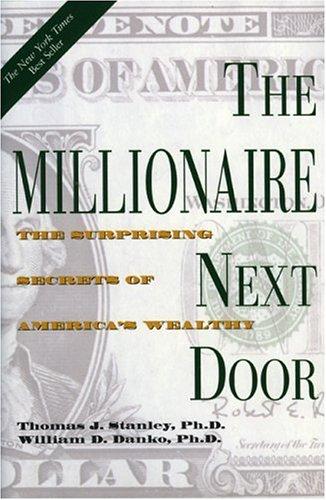
For anyone who confuses high income with wealth, or who feels behind because their lifestyle doesn't look like the we…
Buy on Amazon →
Anyone who earns enough to make discretionary spending choices but suspects their spending is not generating proporti…
Buy on Amazon →
Households in active consumer-debt distress who need a non-negotiable shared script. Not for investors already past B…
Buy on Amazon →About Duncan Bannatyne
Read more from Duncan Bannatyne and explore the full bibliography on ClearValue Books.
View Duncan Bannatyne's page →Get an email if our take on How to be smart with your money changes.
We re-review our picks. We'll email you if How to be smart with your money's ranking or review changes — no checking back.

Ready to read How to be smart with your money?
Buy the edition we recommend on Amazon.
Buy on Amazon →