

How to Protect Your Family's Assets from Devastating Nursing Home Costs

Curated by Brian Kim, CPA — every pick gets a plain-English summary and the key takeaways.
Brian Kim, CPA · 2.89M YouTube Subscribers →What this book actually teaches
- 01Medicare covers only short-term skilled nursing care; Medicaid is the primary payer for long-term nursing home stays, and Medicaid planning — done correctly and early — can preserve substantial family assets that most people assume must be spent down.
- 02The 60-month look-back period means that asset transfers made within five years of a Medicaid application are scrutinized for penalties — early planning (5-10 years before a likely care need) opens strategies that crisis planning forecloses.
- 03The community spouse resource allowance allows a healthy spouse to retain a defined amount of assets without jeopardizing the institutionalized spouse's Medicaid eligibility — a protection most families are unaware of and underutilize.
- 04Medicaid-compliant annuities and irrevocable Medicaid asset protection trusts are among the more powerful planning tools, but both require professional implementation — Heiser is explicit about the attorney threshold rather than overselling DIY applicability.
- 05The book's rules reflect 2016 federal and state law; readers should verify current dollar thresholds and state-specific rules before acting, as Medicaid eligibility details change frequently.
What's in this book
How to Protect Your Family's Assets from Devastating Nursing Home Costs: Medicaid Secrets (2016) by K. Gabriel Heiser, an elder law attorney, is a practical guide to Medicaid planning — the legal strategies families use to preserve assets when a spouse or parent requires long-term care. The book's central argument is straightforward: nursing home costs in the United States routinely reach $80,000 to $120,000 per year, Medicare covers only short-term skilled nursing stays, and Medicaid — despite being means-tested — contains legal planning opportunities that most families don't know exist and that most financial advisors aren't trained to navigate. The book is Heiser's attempt to give non-attorneys access to the strategic framework that elder law specialists use.
The Medicaid asset and income rules are the book's core subject matter. Heiser explains the distinction between exempt assets (the primary residence, one vehicle, personal property, prepaid burial arrangements) and countable assets (savings, investments, most retirement accounts), and the look-back period — currently 60 months — during which asset transfers are scrutinized for Medicaid eligibility purposes. The explanation is more precise than what most general personal finance books offer, which tends to be either oversimplified ("spend down your assets") or alarming ("Medicaid will take everything").
The planning strategies Heiser covers include: the community spouse resource allowance (the amount a healthy spouse can retain without jeopardizing Medicaid eligibility for the institutionalized spouse), Medicaid-compliant annuities as a mechanism for converting countable assets into an income stream for the community spouse, spend-down strategies that use countable assets to pay for exempt assets or pre-pay legitimate expenses, and irrevocable Medicaid asset protection trusts — with a clear explanation of why the 60-month look-back makes early planning far more valuable than crisis planning. He also addresses the estate recovery rules, which determine whether Medicaid can recover its costs from a deceased recipient's estate.
The book is unusually honest about the complexity gradient. Heiser identifies which strategies a well-informed family can implement without professional help and which require an elder law attorney. Medicaid-compliant annuities, for example, have specific actuarial and contractual requirements that make DIY implementation high-risk; he recommends professional guidance for those. The irrevocable trust chapter is similarly direct: the rules vary significantly by state, and a trust that qualifies in one state may not qualify in another.
Weaknesses
Medicaid law changes frequently at both the federal and state level, and the book carries the risk inherent in any fixed-publication legal guide — specific dollar amounts, look-back periods, and state rules may have shifted since 2016. Readers should treat the book as a strategic orientation rather than a current compliance reference. The income rules for Medicaid eligibility — which differ substantially from the asset rules — get less attention than the asset strategies, which may leave readers in income-cap states (roughly a third of states) with an incomplete picture. The book is also not a substitute for professional legal advice in any specific situation.
Verdict
the most accessible and practically useful book available on Medicaid planning for long-term care, written by someone with direct professional expertise. Essential reading for any family with aging parents and assets worth protecting — ideally read 5-10 years before a care need is anticipated, when the planning options are broadest.
Read next

For anyone whose financial education was "get a good job and save" — the book is most valuable for first-time readers…
Buy on Amazon →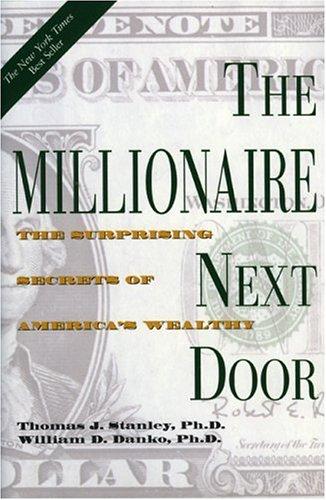
For anyone who confuses high income with wealth, or who feels behind because their lifestyle doesn't look like the we…
Buy on Amazon →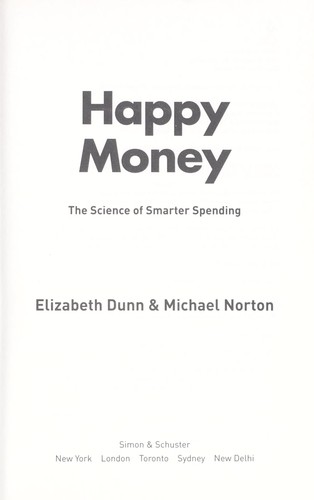
Anyone who earns enough to make discretionary spending choices but suspects their spending is not generating proporti…
Buy on Amazon →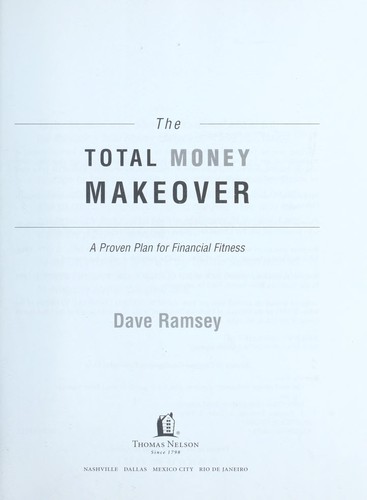
Households in active consumer-debt distress who need a non-negotiable shared script. Not for investors already past B…
Buy on Amazon →About K Gabriel Heiser
Read more from K Gabriel Heiser and explore the full bibliography on ClearValue Books.
View K Gabriel Heiser's page →Get an email if our take on How to Protect Your Family's Assets from Devastating Nursing Home Costs changes.
We re-review our picks. We'll email you if How to Protect Your Family's Assets from Devastating Nursing Home Costs's ranking or review changes — no checking back.
Across the site
Featured in lists
- The Best Books for Medicare Planning (#3 pick)
- The Best Retirement Planning Books (2026) (#5 pick)
Recommended in answers

Ready to read How to Protect Your Family's Assets from Devastating Nursing Home Costs?
Buy the edition we recommend on Amazon.
Buy on Amazon →