

How to speak money

Curated by Brian Kim, CPA — every pick gets a plain-English summary and the key takeaways.
Brian Kim, CPA · 2.89M YouTube Subscribers →What this book actually teaches
- 01Financial illiteracy is primarily a vocabulary problem, not a math problem — most people avoid engaging with their finances because the language feels deliberately inaccessible.
- 02Velshi organizes financial terminology into four layers: personal finance, market mechanics, macroeconomics, and crisis-era instruments.
- 03The 2008 financial crisis context throughout the book makes abstract concepts like leverage and derivatives concrete by connecting them to events readers experienced.
- 04This is a vocabulary builder, not a strategy guide — it explains what financial instruments are, not whether you should use them or how to choose among them.
- 05Post-2013 developments (robo-advisors, zero-commission trading, expanded ETF universe, Dodd-Frank evolution) mean the regulatory and product landscape has changed, though the core vocabulary remains accurate.
What's in this book
Ali Velshi's 2013 book makes a specific claim: that financial illiteracy is not primarily a math problem but a language problem. Most people avoid engaging with their own financial lives not because they cannot do arithmetic but because the vocabulary of financial services — from basic terms like amortization and dividend to complex ones like collateralized debt obligation — creates a barrier that feels deliberate and exclusive. Velshi's argument is that dismantling that barrier makes the underlying concepts accessible to virtually anyone.
The book is structured as a financial glossary plus context. Velshi — then CNN's chief business correspondent — moves through key financial vocabulary in categories: personal finance terms (compound interest, credit score, mortgage), market terms (equity, bond, index, yield), macro terms (GDP, inflation, monetary policy, trade deficit), and crisis-era terms (derivatives, leverage, bailout). For each, he explains not just the definition but why the concept matters and how it connects to decisions a typical reader might face.
The 2013 timing matters. The book was written in the immediate aftermath of the 2008 financial crisis, and Velshi uses that context throughout — explaining derivatives and leverage not abstractly but through what actually happened when they were misused at scale. For readers who lived through 2008 without understanding what was happening, this is a useful retrospective guide.
This is best suited for readers who feel financially excluded by terminology and want a plain-English vocabulary builder before attempting more substantive financial reading or decision-making.
The weaknesses are primarily about scope. By design, this is a vocabulary book, not a strategy book — it explains what a Roth IRA is but does not tell the reader whether to open one, how much to contribute, or how to invest it. Readers who come in wanting actionable guidance will find it unsatisfying. Additionally, some of the regulatory and financial landscape Velshi describes has shifted — Dodd-Frank implementation, ETF proliferation, the rise of robo-advisors, and zero-commission trading all postdate the book. The vocabulary is durable; some of the contextual examples are dated.
For readers who feel locked out of financial conversations by unfamiliar language, this book hands them a key. What they do with the door once it opens is up to them.
Read next

For anyone whose financial education was "get a good job and save" — the book is most valuable for first-time readers…
Buy on Amazon →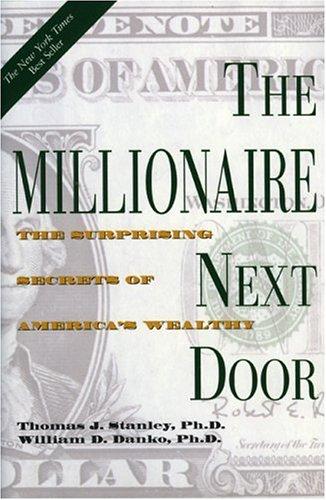
For anyone who confuses high income with wealth, or who feels behind because their lifestyle doesn't look like the we…
Buy on Amazon →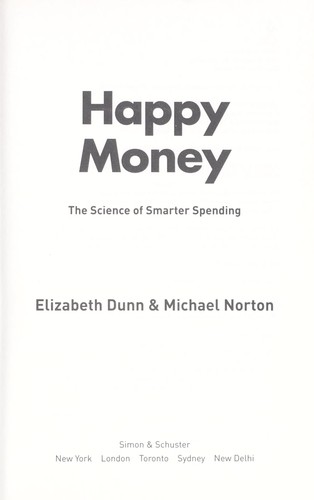
Anyone who earns enough to make discretionary spending choices but suspects their spending is not generating proporti…
Buy on Amazon →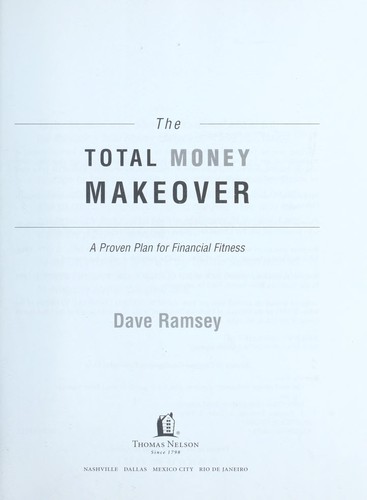
Households in active consumer-debt distress who need a non-negotiable shared script. Not for investors already past B…
Buy on Amazon →About Ali Velshi
Read more from Ali Velshi and explore the full bibliography on ClearValue Books.
View Ali Velshi's page →Get an email if our take on How to speak money changes.
We re-review our picks. We'll email you if How to speak money's ranking or review changes — no checking back.

Ready to read How to speak money?
Buy the edition we recommend on Amazon.
Buy on Amazon →