

Idiot's guides personal finance in your 20s & 30s

Curated by Brian Kim, CPA — every pick gets a plain-English summary and the key takeaways.
Brian Kim, CPA · 2.89M YouTube Subscribers →What this book actually teaches
- 01Financial decisions in your twenties compound more than decisions in your forties — getting savings and debt habits right early outweighs perfectionism later.
- 02Emergency fund before investing is the consistent recommendation — without a cash buffer, investment accounts get raided during disruptions.
- 03Employer 401k matching is the closest thing to a guaranteed return in personal finance; not capturing it fully is a recoverable but costly mistake.
- 04The book covers all major categories (debt, savings, investing, insurance, housing) at a starter depth — it's a map, not a manual.
- 05Specific numbers in any personal finance guide age out quickly; treat contribution limits, tax brackets, and product recommendations as starting points to verify.
What's in this book
This entry in the Idiot's Guides series covers the fundamentals of personal financial management for young adults who are building financial habits for the first time or correcting bad ones. The core argument is that the decisions made in one's twenties and thirties — how much to save, how to handle debt, whether to invest and in what — compound dramatically over time, and getting them reasonably right early matters more than getting them perfect later.
The book moves through the standard personal finance sequence: budgeting and cash flow management, emergency funds, debt payoff strategies (with attention to student loans, which are the dominant liability for this demographic), retirement account basics (401k contribution, IRA types, employer matching), and insurance. It also covers home-buying considerations, which dominate financial decision-making for many people in their thirties. The tone is deliberately plain — this is a starter book, not a refinement book.
The Idiot's Guides format imposes a consistent structure: short chapters, sidebars for definitions, numbered steps, and minimal jargon. That structure works well here because the target reader is genuinely early-stage. The book doesn't assume income stability or financial sophistication, which is accurate for the 20s cohort it addresses.
The weaknesses are the weaknesses of any comprehensive beginner's personal finance guide. It covers everything at a shallow depth, which means readers who need depth on any single topic — how to actually pick index funds, how student loan income-driven repayment works in detail, how to evaluate term versus whole life insurance — will need to go elsewhere. The advice is also calibrated to a median income profile; readers with variable income, self-employment, or significant inherited wealth will find large sections don't apply to their situation. Publication date matters here — tax brackets, contribution limits, and specific product recommendations in any personal finance book age quickly.
For a first personal finance book, this does its job. The format makes it easy to read in sections rather than cover-to-cover, which suits the way most people use a reference like this. It's not a book to re-read; it's a book to get through once and then graduate from.
Read next

For anyone whose financial education was "get a good job and save" — the book is most valuable for first-time readers…
Buy on Amazon →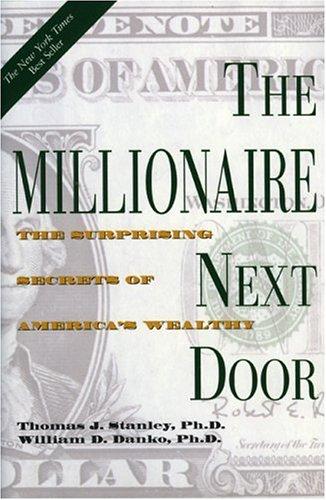
For anyone who confuses high income with wealth, or who feels behind because their lifestyle doesn't look like the we…
Buy on Amazon →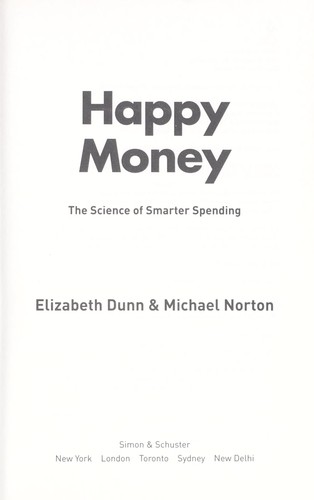
Anyone who earns enough to make discretionary spending choices but suspects their spending is not generating proporti…
Buy on Amazon →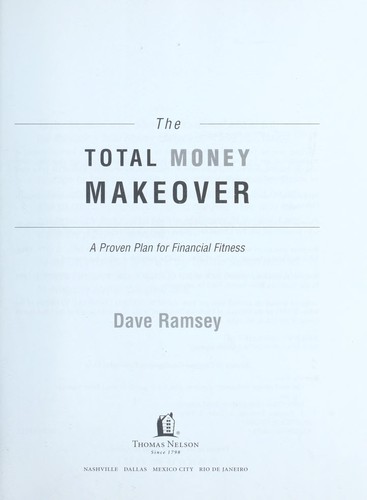
Households in active consumer-debt distress who need a non-negotiable shared script. Not for investors already past B…
Buy on Amazon →About Sarah Young Fisher
Read more from Sarah Young Fisher and explore the full bibliography on ClearValue Books.
View Sarah Young Fisher's page →Get an email if our take on Idiot's guides personal finance in your 20s & 30s changes.
We re-review our picks. We'll email you if Idiot's guides personal finance in your 20s & 30s's ranking or review changes — no checking back.
Across the site
Featured in lists

Ready to read Idiot's guides personal finance in your 20s & 30s?
Buy the edition we recommend on Amazon.
Buy on Amazon →